For many foreign visitors, the word omakase can sound like a private club with rules nobody explains. A hushed counter. An unfamiliar language. A menu that never arrives.
At Sushi Masa by Ki-Setsu, we see it differently. Singapore omakase dining is simply an invitation to trust. Sit down, relax, and let the evening unfold course by course. Whether it is your first time trying Japanese cuisine at a sushi counter or your fiftieth, the experience should feel like a warm, inviting atmosphere rather than an intimidating one. It should feel like a genuine window into Japanese culture, not a test to pass.
Understanding Omakase Dining and Japanese Cuisine for First Timers
Omakase translates loosely to “I leave it up to you,” and that single idea shapes the entire dining experience. Instead of ordering from a fixed menu, guests place their trust in the chef, who selects each dish based on the best ingredients available that day. For first timers, this can feel unusual at first. There is no deciding what to eat, no scanning pages of options. There is only the quiet anticipation of what comes next.
With only eight counter seats at Sushi Masa by Ki-Setsu, Chef Masa treats every seating as a conversation without words. He reads each guest’s pace and appetite as the meal progresses. The dining style rewards patience and curiosity, and most guests find that within a few courses, any nervousness has already melted away. Many diners tell us afterwards that they had expected something stiff and formal. Instead, they discovered a genuinely inviting atmosphere built around quiet hospitality rather than rigid ceremony.
The Language Barrier Isn’t a Barrier at All
One of the biggest worries foreign visitors carry into their first omakase dining experience is the fear of not being able to speak the language. Will they understand the names of the fish? Will they know when to eat, or how? In practice, a skilled chef communicates far more through gesture, timing and presentation than through words.
At Sushi Masa by Ki-Setsu, Chef Masa is happy to describe each dish in simple terms, and guests are always welcome to ask questions. Curiosity is part of the pleasure of Japanese fine dining, not an inconvenience. A little effort to speak even a few words of Japanese is always appreciated, though never required.
What Makes Japanese Fine Dining Different From What You Might Expect
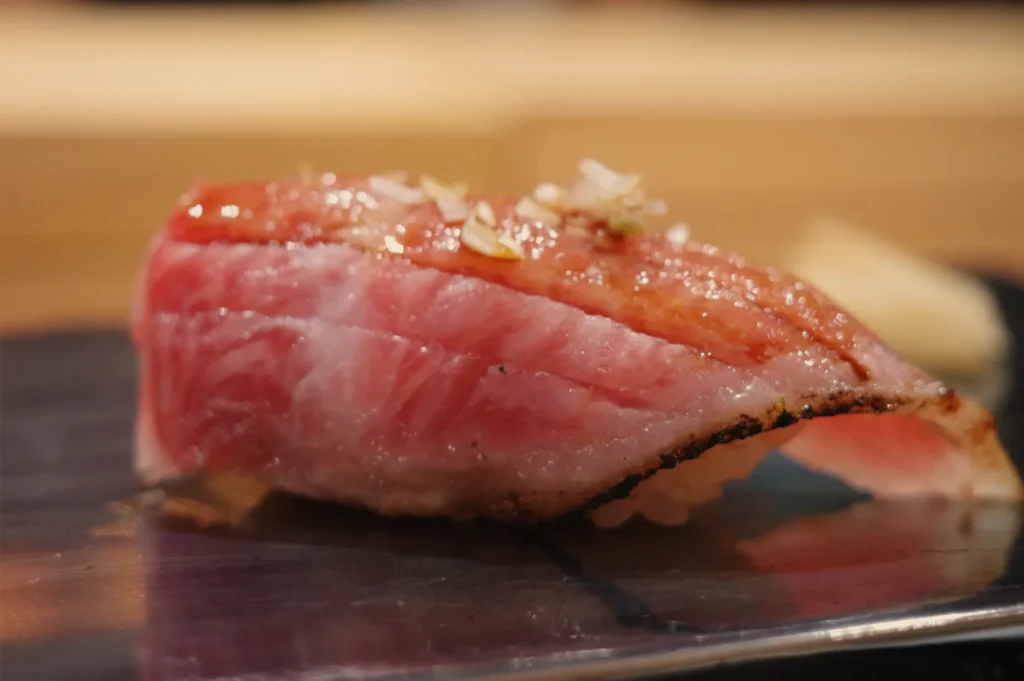
Traditional Japanese cuisine, particularly at the sushi counter, is built on restraint rather than abundance. Where many cuisines celebrate variety and volume, omakase dining celebrates precision. Every dish offers a single, focused expression of a seasonal ingredient at its peak, rather than a plate crowded with competing flavours.
Sushi restaurants in Japan range widely in style and spirit:
The casual atmosphere of a neighbourhood ramen shop, serving traditional Japanese food built for speed and comfort.
The hushed concentration of a small Edomae counter, offering a dedicated omakase sushi experience built around a single chef.
Kyoto’s centuries old kaiseki traditions at one end, and Tokyo’s fast paced sushi bars at the other, each telling a different chapter of Japanese cuisine.
The omakase story is a particularly personal one, built around a small handful of guests sharing the same table, evening after evening.
A typical omakase course at Sushi Masa by Ki-Setsu moves through clear stages:
A light seasonal appetiser to begin.
A procession of sashimi and nigiri.
A highlight such as glistening sea urchin.
A quieter final note to close the meal.
There is a rhythm to it, almost musical, that many first timers only recognise once they reach the end of the meal. Regulars who return to the same restaurant time and again often say the appetisers alone are reason enough to book again.
This is also why the menu offers no printed choices to browse. The chef’s creativity is the menu, shaped daily by what the market provides and what the season demands. For visitors used to flicking through pages before deciding, it can take a moment to adjust. Most find they do not miss it at all.
Sourcing the Best Ingredients: A Window Into Toyosu Market
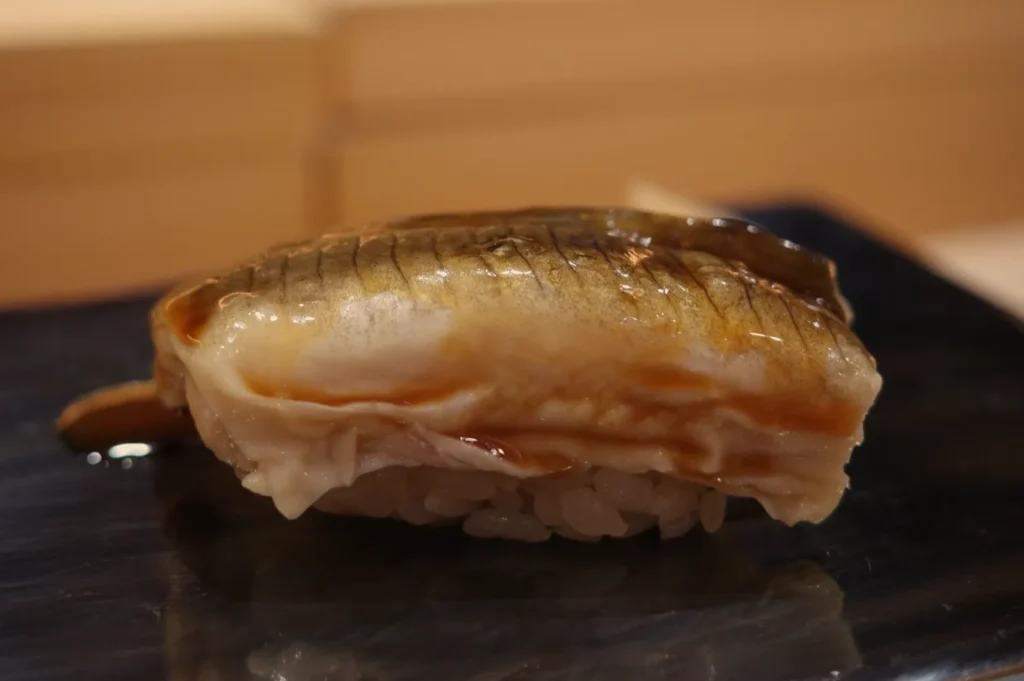
Behind every plate of nigiri sits a quiet, disciplined supply chain. Tokyo’s famous Toyosu market, successor to the old Tsukiji grounds, remains the beating heart of Japan’s seafood trade. It supplies the finest cuts of tuna, shellfish and seasonal fish to sushi restaurants around the world. At Sushi Masa by Ki-Setsu, ingredients are sourced with the same daily rigour, so that what reaches the counter reflects the season as closely as possible.
This philosophy sits at the core of Edomae sushi, the historic Tokyo style in which fish was once cured, salted or lightly vinegared out of necessity, long before refrigeration existed. Today, Edomae is less about preservation and more about technique. It is the precise seasoning of rice, the delicate marinades, the small but deliberate choices that separate a forgettable piece of nigiri from a memorable one.
The Art of Edomae Sushi
Districts across Tokyo, from Chuo-ku to Minato-ku, are dotted with sushi counters that have guarded Edomae traditions for generations. This lineage continues to shape modern Japanese fine dining wherever it travels, including in Singapore. At Sushi Masa by Ki-Setsu, Chef Masa draws directly on this heritage, applying it to seasonal ingredients suited to the tastes of an international dining room, without diluting the discipline behind each dish. Every plate is created with the same intention: to let the taste of the ingredient itself take centre stage.
Proper Etiquette for Foreign Visitors: Creating a Smooth Dining Experience at the Counter
A little proper etiquette goes a long way at any sushi counter, and it is rarely as complicated as visitors expect. Most of it comes down to simple respect, for the chef’s craft, for the other guests seated close by, and for the ingredients themselves.
Here is a short reference for foreign visitors preparing for their first sushi counter experience:
| Situation | What Helps |
|---|---|
| Fragrance | Avoid wearing strong perfume, as it can interfere with delicate aromas |
| Photography | Ask before taking photos, particularly of the chef at work |
| Timing | Eat nigiri promptly once served, while the rice is at the right temperature |
| Conversation | Keep voices low; the counter is an intimate space shared with other guests |
| Punctuality | Arrive on time, as the course is paced around the full table |
| Cancellations | Check the restaurant’s cancellation policy in advance, as ingredients are prepared specifically for confirmed guests |
None of this is about rigid formality. It is simply the shared understanding that allows a small counter, seating only a handful of diners, to feel calm and unhurried rather than rushed. Good service depends on it. Guests who follow these small courtesies almost always find the evening flows more naturally as a result.
How to Book: From Hotel Concierge to Online Reservation
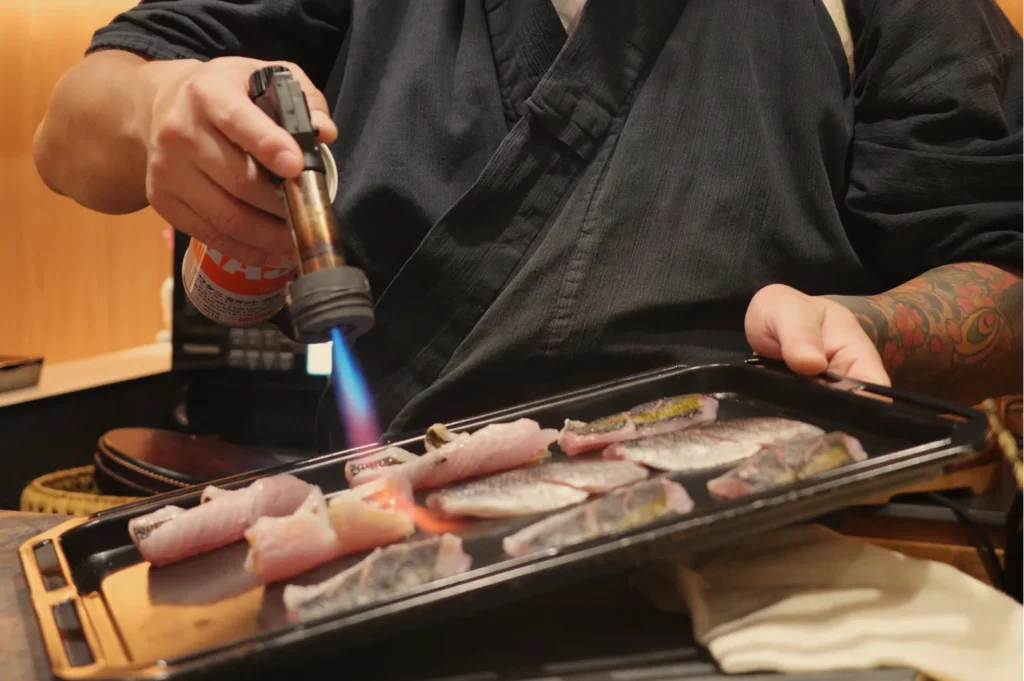
Securing a seat at a well regarded omakase restaurant is often the part that intimidates foreign visitors the most, especially when reservations are known to fill up weeks in advance. The good news is that booking has become far more accessible than it once was.
Many visitors staying in Singapore’s hotels find it easiest to ask their hotel concierge for assistance. Concierge desks are often familiar with reservation etiquette, and can help navigate phone calls or booking platforms on a guest’s behalf. Dedicated reservation platforms, such as Pocket Concierge, have also made it simpler for international guests to secure a table without needing to speak Japanese or navigate unfamiliar systems. At Sushi Masa by Ki-Setsu, an online reservation option is available directly, making the process straightforward for guests booking from abroad.
Once booked, a quick check on Google Maps helps visitors locate the counter with ease. It is tucked away within its building rather than announced by a loud storefront. Many of the best omakase experiences share this quality of being a hidden gem, more likely to be found through a recommendation or a considered search than a passing glance from the street.
Finding a Hidden Gem Among Singapore’s Best Omakase, According to the Michelin Guide
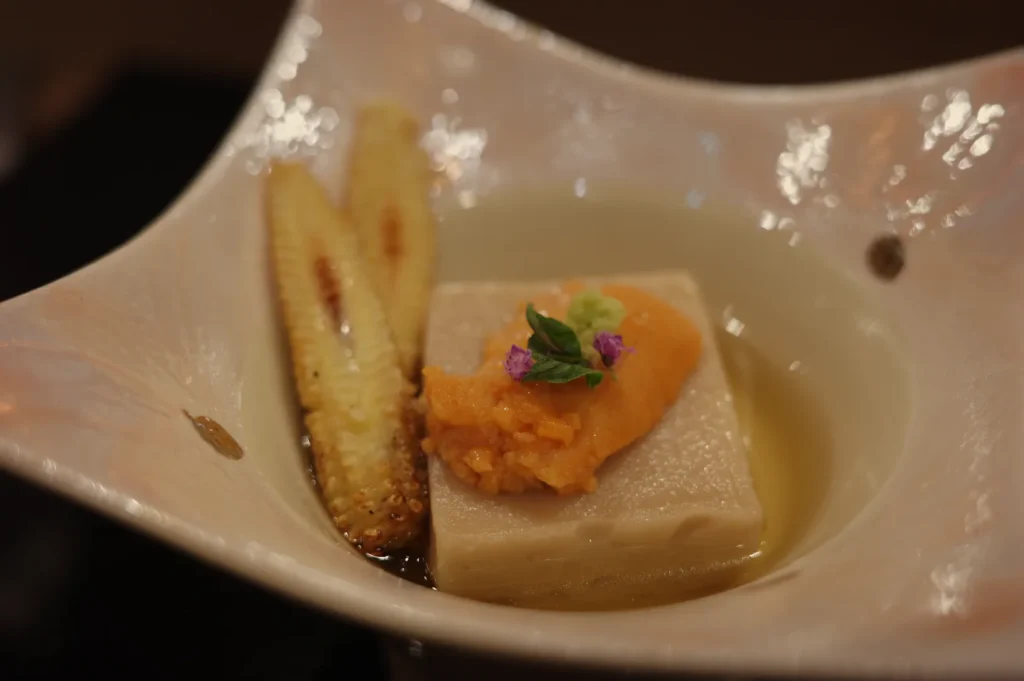
Singapore’s dining scene has grown into one of the most closely watched in the region, with the Michelin guide regularly turning its attention to the city’s Japanese fine dining establishments. Amid the wider conversation about the best omakase in Singapore, smaller counters offering a genuinely personal dining experience remain some of the most rewarding to discover. This is precisely because they favour intimacy over scale.
At Sushi Masa by Ki-Setsu, that intimacy is central to the philosophy. Seating remains limited, ingredients arrive with the season rather than a printed calendar, and Chef Masa’s approach to Edomae sushi draws on tradition without becoming a museum piece. Every dish tells a story of its season, and every seating creates a small, memorable chapter of its own. For foreign visitors exploring Japanese cuisine in Singapore for the first time, or returning guests deepening their appreciation of omakase dining, the invitation remains the same. Come with curiosity, and leave the rest to the chef.
If you have been searching for an omakase experience that feels personal rather than performative, we welcome you to reserve a seat at the counter and discover what a truly considered dinner can taste like.