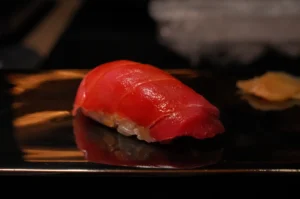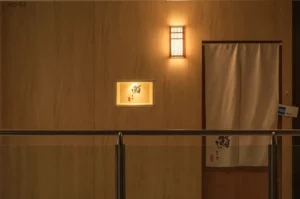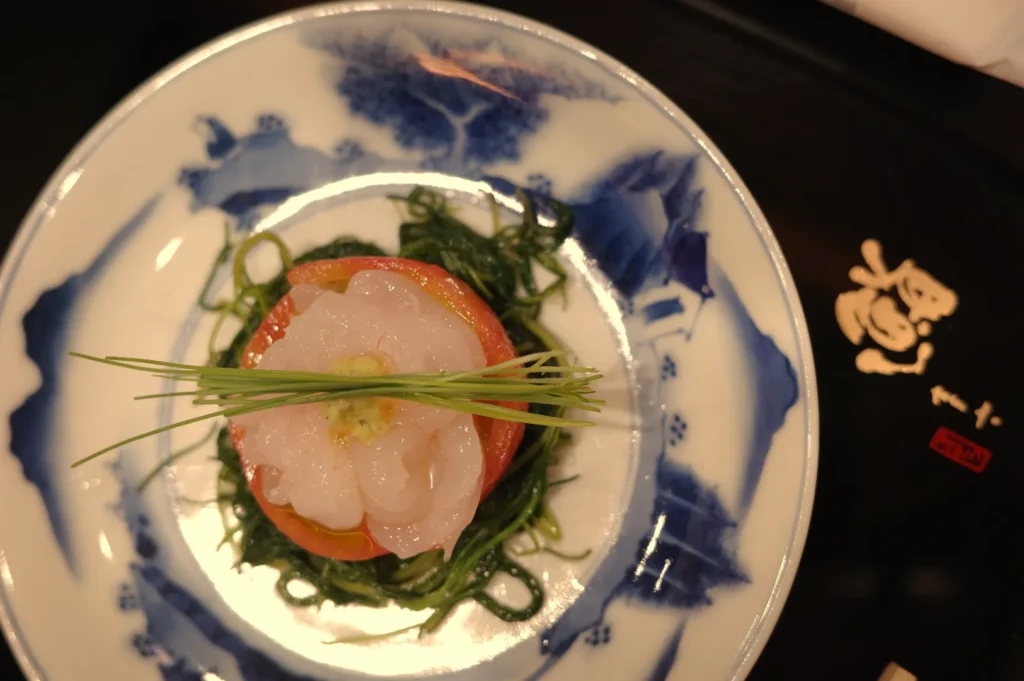
Every gifting season brings the same quiet dilemma. A bottle of wine is polite and safe, and it is usually forgotten within a week. A tin of caviar or a box of sweets is lovely, yet it disappears just as quickly. What people genuinely remember are moments: a long evening, a shared counter, a flavour they had never tasted before.
That is why we believe an evening of omakase makes one of the most thoughtful presents you can give, especially for anyone searching for the best omakase Singapore has to offer. At Sushi Masa by Ki-Setsu, we see it every night. Guests arrive curious and leave talking about the meal for weeks.
The Case for an Omakase Gift Experience
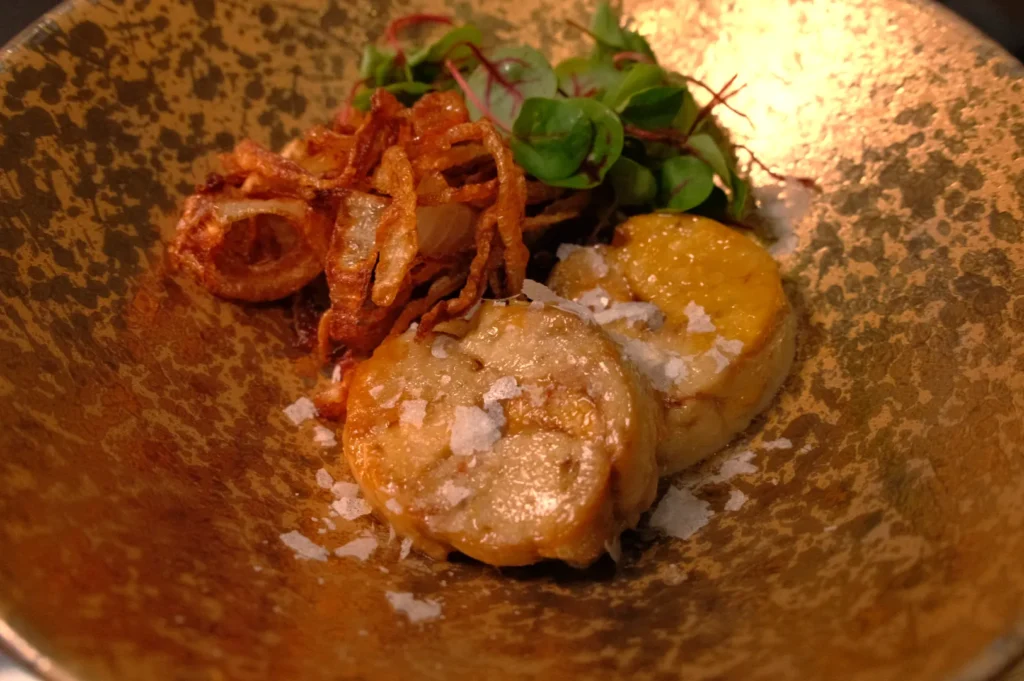
A bottle is consumed in an evening, and the gesture ends with the last glass. An omakase gift experience works differently. It gives the person something to anticipate, a date in the diary, and a story to tell afterwards. It says you wanted them to sit down, slow down and be looked after.
There is also something personal about it. A bottle is chosen from a shelf and opened at a dinner table, but a seat at a sushi counter is chosen for a person. You are saying that you know they enjoy good food, or that you would like them to discover it. That sense of thoughtfulness is what turns a present into something memorable.
Omakase itself means “I leave it to you” in Japanese. The giver trusts the chef, and the guest trusts the chef too. It is an act of trust on both sides, and in our experience that is what makes it such a warm thing to share.
What Omakase Dining Really Means
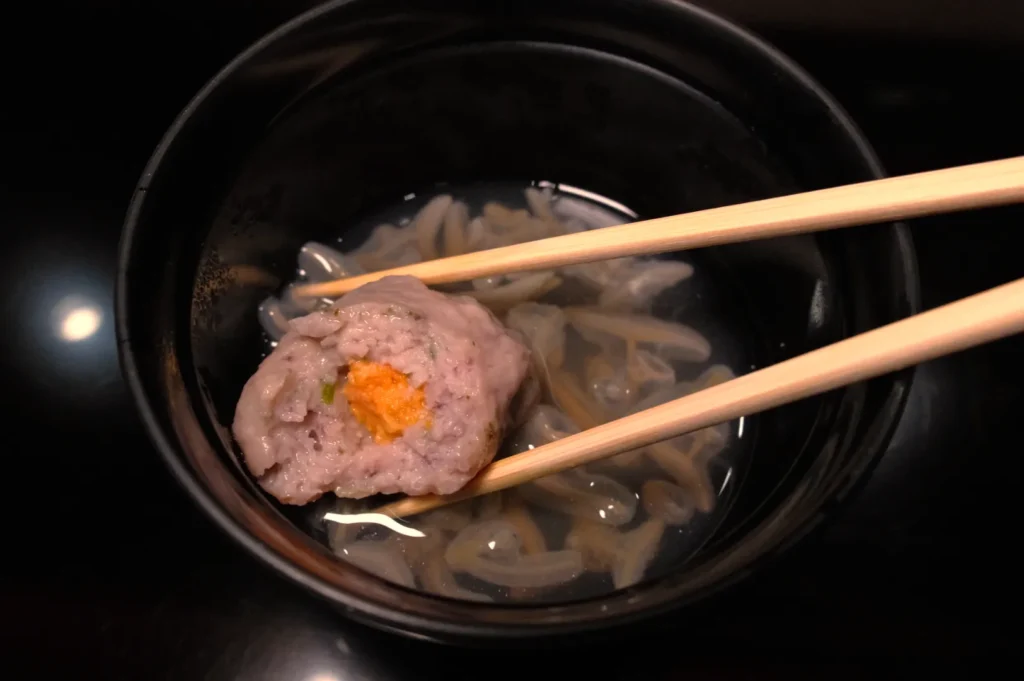
Many people have heard the word and picture something formal or intimidating. In truth, omakase dining is simply a conversation between the guest and the chef, carried out through food. There is no long list of choices to study and no pressure to decide. The chef reads the day’s ingredients, considers the guest, and builds the evening course by course.
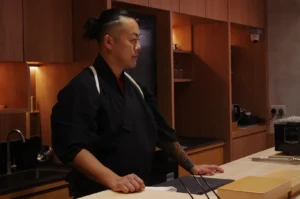
At Sushi Masa by Ki-Setsu, omakase is the only way we serve. This is the heart of our philosophy: one chef, one counter and one carefully paced dinner. Chef Masa, who hails from Tokyo, follows the Edomae tradition, which grew out of old Tokyo and relies on skilled preparation to bring out the best in each piece of seafood. Curing, ageing, seasoning and timing all matter here, and each is a quiet part of the chef’s technique.
For a first-timer, this is reassuring rather than daunting. The person you are gifting does not need any understanding of sushi. They only need to arrive hungry and curious, and Chef Masa does the rest.
Eight Seats and Personalised Service at the Counter
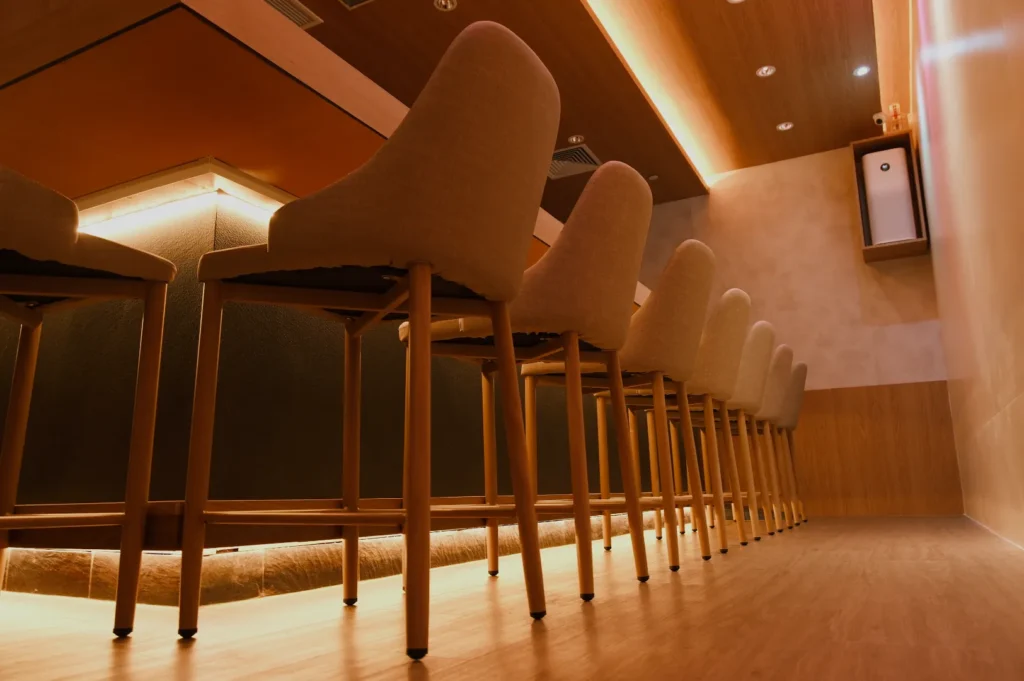
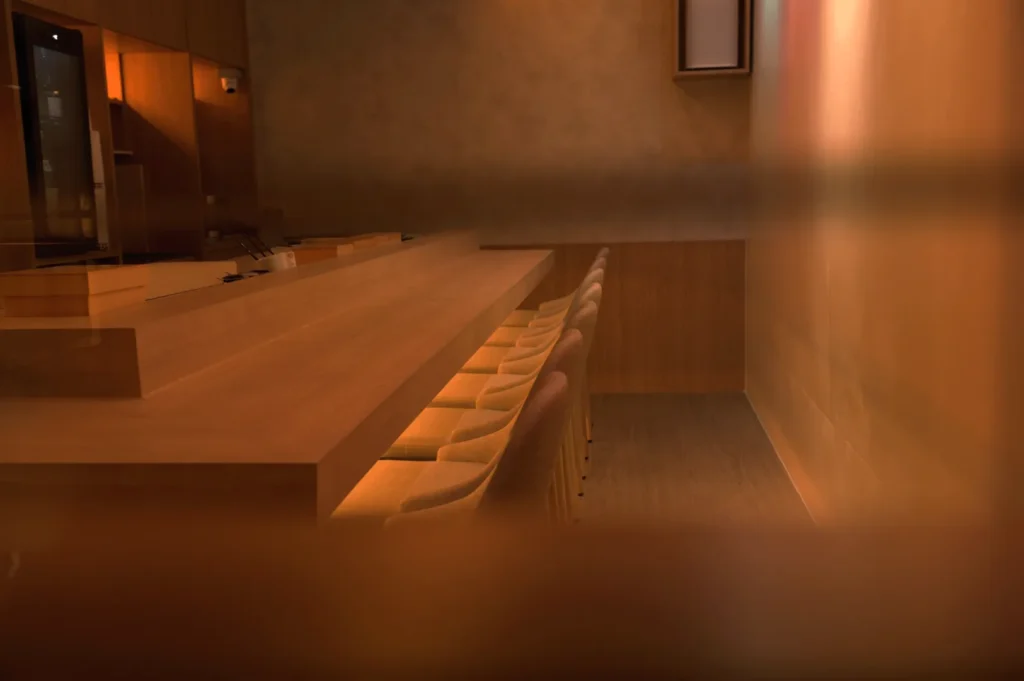
Our counter seats only eight guests. That number is deliberate. With so few seats, every person receives personalised service, and Chef Masa can watch how each guest responds to a dish and adjust the rhythm of the evening accordingly.
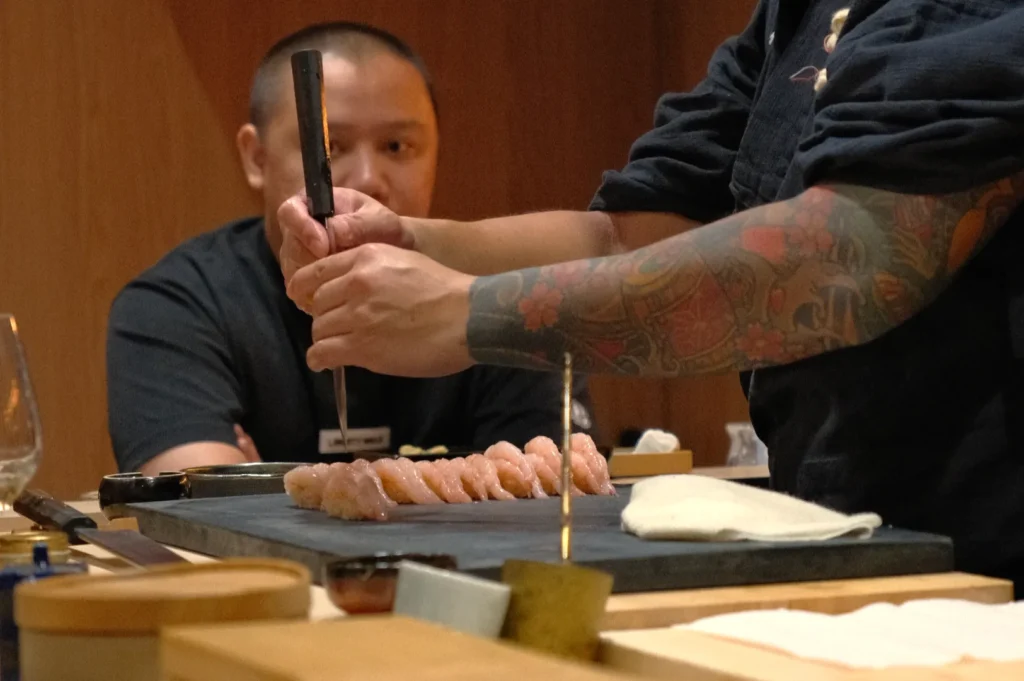
This is difficult to achieve in a larger dining room. Many restaurants serve far more guests each night, and the experience inevitably becomes more uniform. Here, you sit directly in front of the chef. You can watch the knife work, see the rice being shaped and hear the story behind each ingredient. It feels less like going out to eat and more like being invited into a craftsman’s workshop.
Why Intimacy Matters in a Gift
When you give an omakase experience, you give the recipient the full attention of the person preparing their meal. For anniversaries, milestone birthdays or a heartfelt thank you, that attention is the real present. The setting is quiet and discreet, which suits conversation and celebration alike.
Inside the Omakase Meal: From Sashimi to Dessert
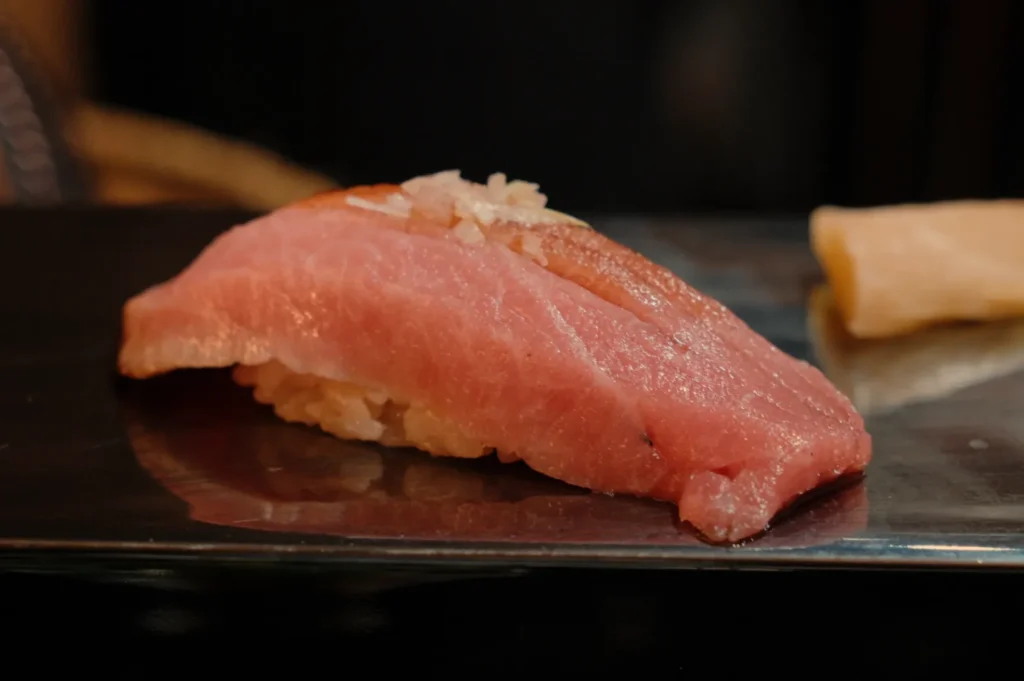
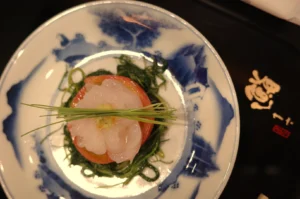
Wine has one note, and an omakase meal has many. The evening unfolds in stages, each designed to prepare the palate for the next. Guests can expect a progression through seasonal sashimi, nigiri sushi and a few warm dishes, followed by a closing dessert. Every course is seafood, chosen to showcase the season, and no meat is served.
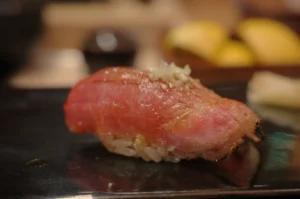
Lighter flavours come first, so that delicate fish is not overwhelmed. Richer cuts follow later, such as fatty tuna, and the pace builds gently towards the climax of the course. This sense of structure is part of the tradition. Nothing is random, and each dish is placed where it will taste its best.
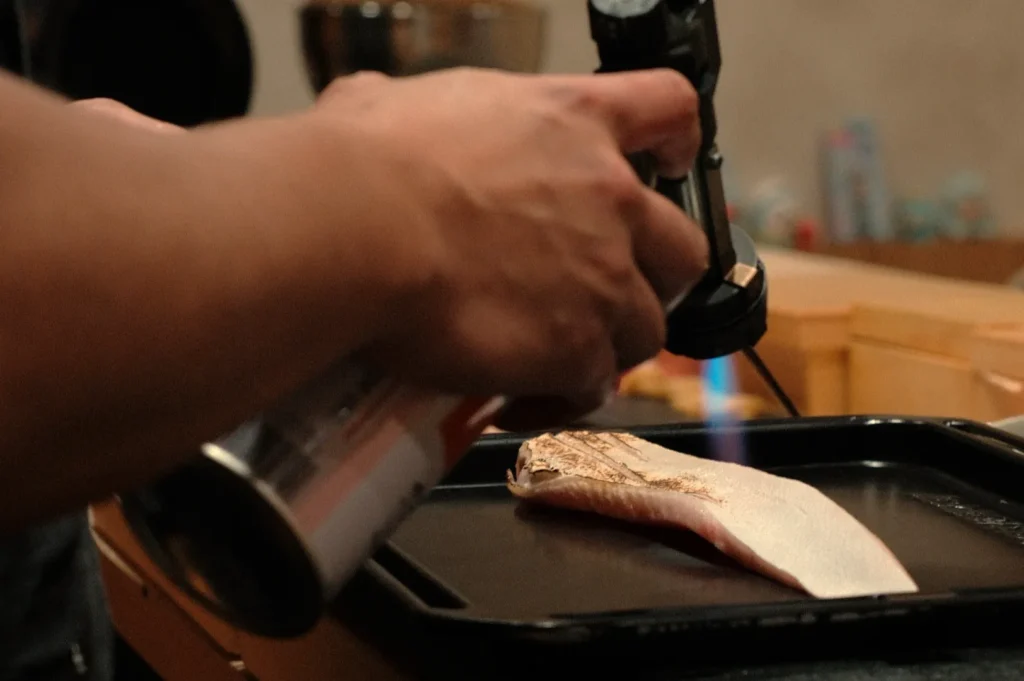
What guests often notice is how much the details matter. The rice in nigiri sushi is seasoned with care, and the fish is cut to suit its own texture. Each piece is placed in front of the guest at its optimal temperature, so the rice is gently warm and the fish cool. It is meant to be eaten promptly, ideally within moments of being served, because that is when the balance between rice and fish is at its finest.
A Taste of Something Unfamiliar
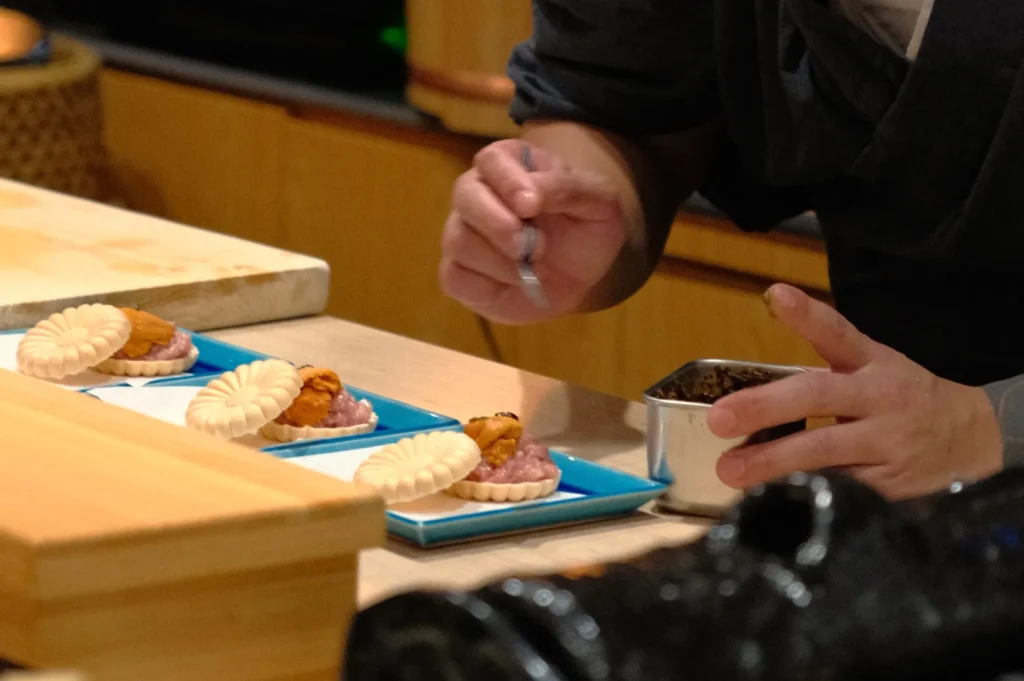
Part of the joy of an omakase dining experience is the chance to explore unfamiliar ingredients. Many guests have never tried certain cuts of fish or particular kinds of shellfish. One of the most talked-about is sea urchin, known in Japanese as uni. Hokkaido uni, when in season, has a creamy sweetness and a clean taste of the sea, and it often converts even sceptics. When you gift this experience, you are also gifting the chance to try something wonderful for the first time.
Freshness, Sourcing and the Seasons
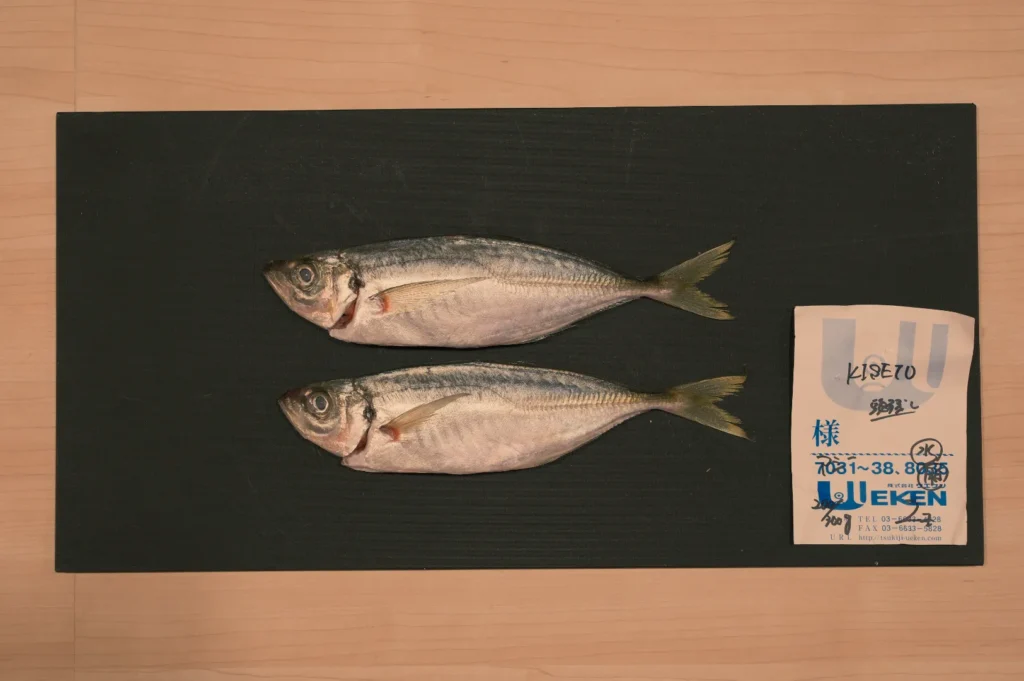
Quality is the quiet foundation of everything we do. Our seafood is flown in from Toyosu Market in Tokyo, selected for freshness and sent to Singapore for our counter. Because the best ingredients arrive fresh each morning, the hours before service are reserved for Chef Masa’s preparation. Lunch hours are given over to this work, so that every dinner is served at its peak.
The seasons guide the menu as well. Japanese cuisine has always followed nature, and what is excellent in spring will differ from what shines in autumn. This is why two visits rarely feel the same. A guest who returns months later will find new fish, new textures and new combinations, all inspired by the changing season.
That sense of renewal means your gift can be the beginning of a tradition rather than a single event. Fresh seafood has a clean sweetness and a gentle umami that needs very little adornment, and our omakase is thoughtfully priced to reflect that care.
What to Expect When Giving the Gift
If you are planning to gift an evening, a little preparation helps the recipient enjoy it fully. Dinner service at Sushi Masa by Ki-Setsu begins at 7:15pm and continues into the late evening. We are open Tuesday to Saturday and closed on Mondays. Private bookings are available on Sundays for those who would like to reserve the entire space for a special occasion.
It is customary in omakase dining to arrive punctually. Because the evening is paced as a whole and everyone at the counter begins together, arriving late affects the rhythm of the meal. We gently suggest the recipient arrive a few minutes early, so they can settle in, relax and begin the evening calmly.
A few other points are useful to share with your guest:
Let us know about any preferences or allergies when booking, so Chef Masa can prepare accordingly.
Strong perfume can interfere with the delicate aromas at the counter, so we recommend wearing little or none.
Questions are welcome. Chef Masa enjoys explaining his ingredients.
If you would like to arrange a private occasion or a special request, our concierge is available by call or WhatsApp. Guests often describe us as a hidden restaurant, so the entrance on level six of Cuppage Plaza rewards a little planning, and we will happily guide you through the booking.
How to Savour an Omakase Dining Experience
For many people, the hardest part of omakase is learning to surrender. Without a menu to study, they feel unsure where to begin. Our advice is simple: let go. Trust the chef, observe the craft and enjoy each dish as it arrives.
Take a moment with each course. Notice the texture of the fish, the sweetness of the rice and the way flavours shift from one course to the next. Appreciating these small details is what turns a good dinner into a memorable one. It is also why we encourage guests to put away their phones, at least for a while, and simply be present at the counter.
If you enjoy sake, ask Chef Masa about it. Seafood and sake share a natural affinity, and a well-chosen pour can lift certain dishes. Guests who prefer something non-alcoholic are equally welcome, and the focus of the evening always remains on the food.
Why the Omakase Experience Lingers
Gifts that endure tend to share one quality: they create a feeling. Months after the bottle has been emptied and forgotten, a guest may still recall the first bite of sea urchin, the warmth of the rice or a conversation across the counter. That is the lasting value of an omakase experience.
There is also an element of gratitude in the way omakase is offered and received. Chef Masa expresses appreciation for the ingredients and for the guests who trust him. The guest, in turn, expresses gratitude through attention and enjoyment. It is a small exchange of respect, and it is the reason the tradition has endured in Japan for generations.
When you gift an evening like this, you are also giving a sense of hospitality, the Japanese ideal of caring for a guest wholeheartedly. It is a rare thing to be looked after so completely, and rarer still to be able to pass that feeling on to someone you care about.
Give an Omakase Experience at Sushi Masa by Ki-Setsu
The next time you are seeking the right present, consider moving beyond the bottle. Choose a night, a seat and a chef who will look after the person you care about. Whether it is for a birthday, an anniversary or simply a heartfelt thank you, an omakase gift experience offers something that few other presents can: a moment they will remember.
At Sushi Masa by Ki-Setsu, we would be honoured to welcome you and your guest through our door to our eight-seat counter at Cuppage Plaza. Chef Masa is ready to share seasonal seafood from Toyosu, the craft of Edomae sushi and an evening of genuine hospitality. To reserve, visit our reservations page or contact our concierge by call or WhatsApp, and let us take care of the rest.