Long before omakase became shorthand for the best omakase experience a diner could ask for, it began as something far quieter: an act of trust passed between a guest and a sushi chef. The word itself carries a small surrender, a guest handing over every decision to the chef, and that surrender is precisely what makes omakase dining feel so different from an ordinary meal.
At Sushi Masa by Ki-Setsu, we think of omakase in Japan not as a menu format but as a discipline, one shaped over centuries and still carried into every course we place before our guests each evening.
To understand why that discipline still matters, it helps to look back at where it began, from small counters in old Tokyo to a language of fine dining now spoken across the world, and to see how the same idea, leave it to the chef, still guides the way we welcome guests to our own counter today.
What Omakase Really Means in Japanese Cuisine
The word omakase comes from the Japanese verb makaseru, to entrust, and is best translated as “I’ll leave it to you.” It is a phrase a guest once said to a chef at the sushi counter, handing over every decision about what would be served, in what order, and at what pace. There was no printed menu to study and no dish to request. There was only the chef’s judgement and the guest’s willingness to follow it.
This is what separates omakase restaurants from many traditional sushi restaurants that still operate around a fixed list of items. Where an ordinary meal asks the diner to choose, omakase asks the diner to trust. That distinction sits at the heart of Japanese cuisine’s most intimate form of hospitality, and it is the same distinction Chef Masa carries into every seating at Sushi Masa by Ki-Setsu.
A Relationship, Not a Reservation
Because the chef decides the flow of the meal, omakase has always depended on familiarity. A chef who notices a returning guest’s preferences, a favourite cut of fish or a dislike of something too rich, can shape the next visit around that memory. Over time, the sushi counter becomes less like a table and more like a small stage where the relationship between chef and guest is the true main course.
From Tokyo’s Sushi Counters to Osaka and Kyoto: How Omakase in Japan Took Shape
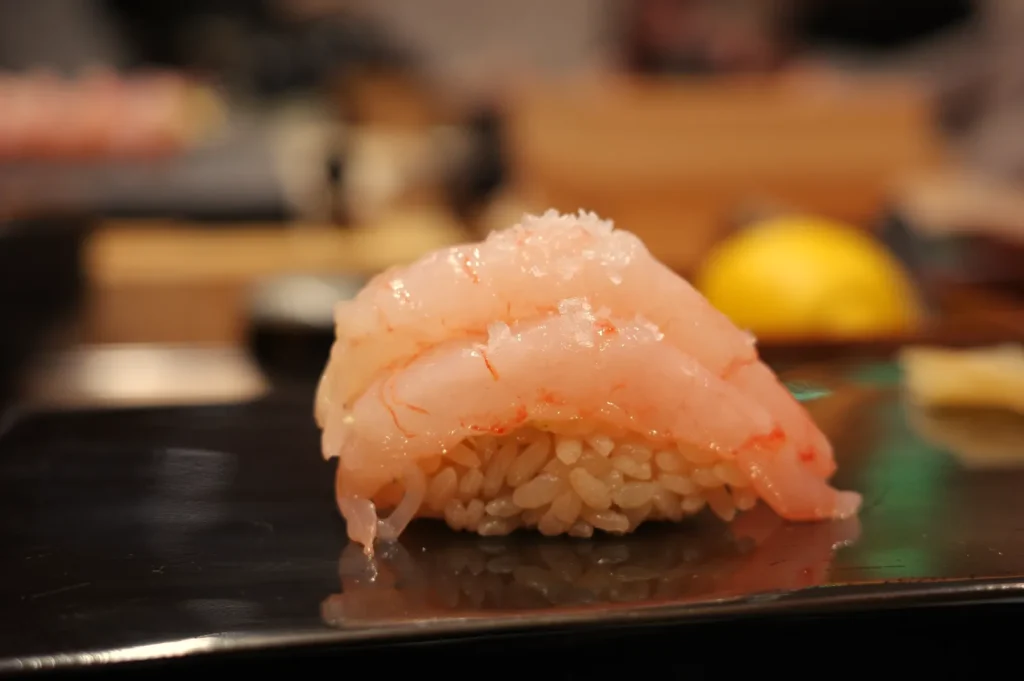
Omakase in Japan traces its roots to the Edo period, when fish sold near Tokyo Bay was cured with salt or vinegar to survive the journey to the city, long before refrigeration existed. Vendors began pressing this cured fish onto vinegared rice and serving it directly to customers standing at a stall, a style now known as Edomae sushi. It was fast, it was informal, and it was genuinely affordable, a quick meal woven into the pace of daily life rather than an occasion. Whatever the catch happened to be that morning became that day’s original dishes, since it depended entirely on the vendor’s own sense of what was freshest.
As Tokyo modernised, that street-side habit moved indoors, into discreet backstreet counters in districts such as Minato-ku, where a handful of seats and a single chef replaced the open stall. The philosophy did not change, only the setting. Guests still arrived without knowing exactly what they would eat, and each chef still built the meal from whatever the morning’s catch offered.
The idea did not stay confined to the capital. In Osaka, cooks leaned into a heartier style, folding in more vegetables and simmered dishes alongside raw fish, reflecting the city’s reputation for generous, flavourful food. In Kyoto, the refined pacing of kaiseki cuisine left its mark, encouraging a chef to think of an omakase course as a sequence with its own rhythm, building from something light towards something rich before easing back down. Each region interpreted the same instruction, leave it to the chef, in its own accent, and that regional variety is part of what makes omakase in Japan so endlessly interesting to study.
Why the Counter Seat Became Sacred
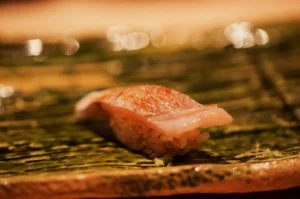
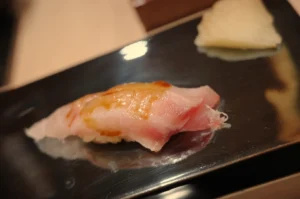
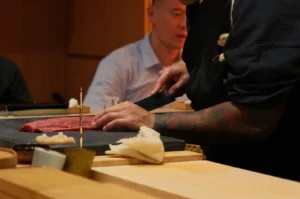
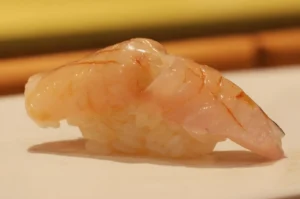
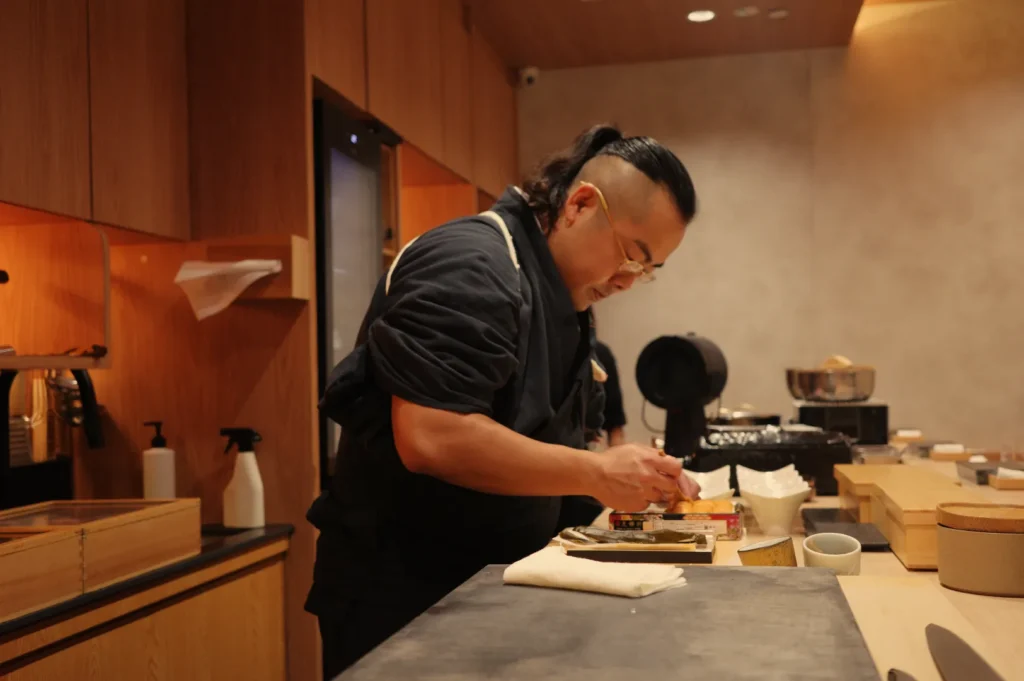
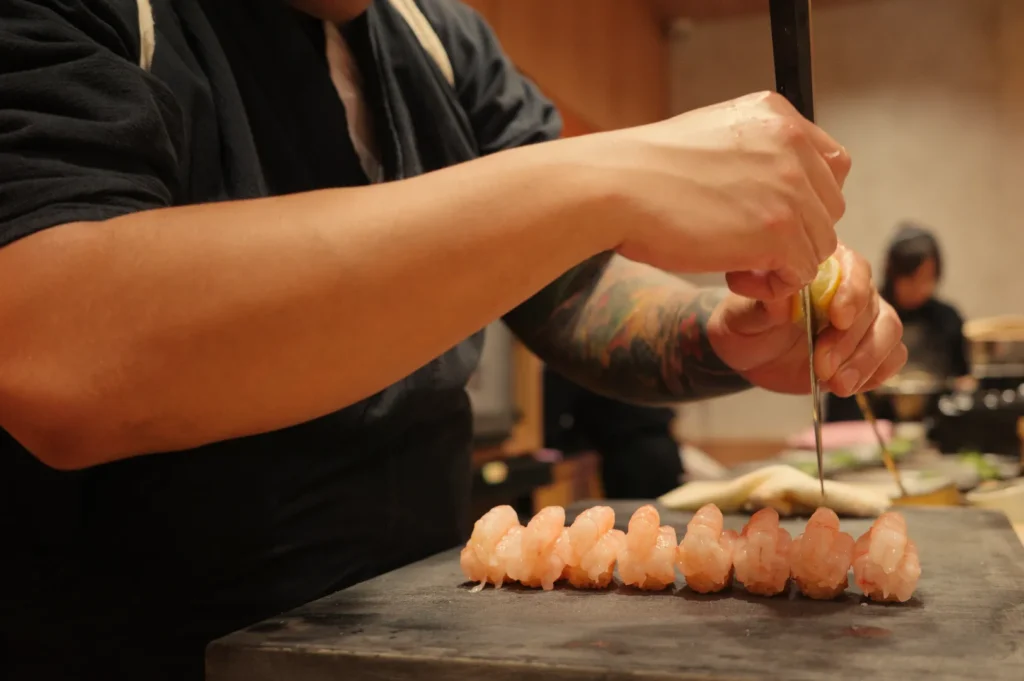
Counter seating did more than save space. It let guests watch the preparation unfold, from the precise slicing of raw fish to the brief press of rice for each piece of nigiri, and there is something genuinely amazing about seeing a dish assembled inches away rather than arriving from an unseen kitchen. That visibility turned dining into something closer to theatre, where every gesture is intentional and nothing is hidden.
At Sushi Masa by Ki-Setsu, our own counter seats only a handful of guests each night, a deliberate choice that keeps Chef Masa within arm’s reach of every diner and every dish served directly by hand rather than passed along by staff.
The Michelin Guide and the Rise of Omakase Restaurants Worldwide
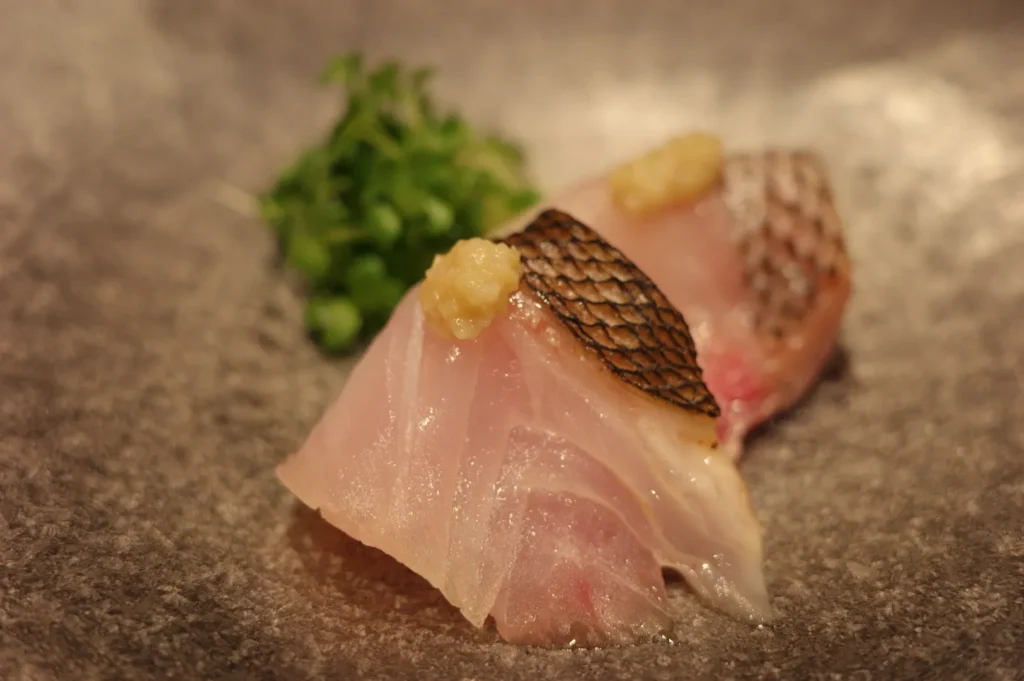
For much of the twentieth century, omakase remained a largely local custom, understood mainly by regulars who knew which counters were worth the wait. That began to shift once the Michelin Guide extended its reviews to Japanese cuisine, awarding Michelin stars to small sushi counters that many outsiders had never noticed. Suddenly, the same discipline that had quietly shaped omakase dining for generations was being measured against the same standard as grand restaurants in Paris or London.
That recognition changed how the world understood sushi omakase. Hotel concierge desks in major cities began fielding requests for reservations at the smallest, least conspicuous counters, precisely because scarcity and intimacy had become part of the appeal. A seat that once required only a walk-in and a nod of familiarity now had to be planned for weeks or months in advance, with guests keen not to miss a table at a counter with a limited number of seats.
Today, omakase restaurants operate far beyond Japan, from Osaka and Kyoto to Singapore, each one carrying forward the same original idea even as the surroundings change, some leaning on innovative technique while others hold closer to the original craft. Guests sometimes describe an especially well judged course as a manten sushi moment, borrowing the Japanese word for a perfect score, the small sense of perfection that arrives when every element of a bite meets in complete harmony.
What has not changed is the standard behind the stars. A Michelin inspector, much like a regular guest, is not judging abundance. The measure has always been precision: how a piece of fish is cut, how long rice is allowed to cool before it touches the palate, how a chef reads a room and adjusts the night’s order without a word.
What to Expect at an Omakase Course: Preparation and the Freshest Seasonal Ingredients
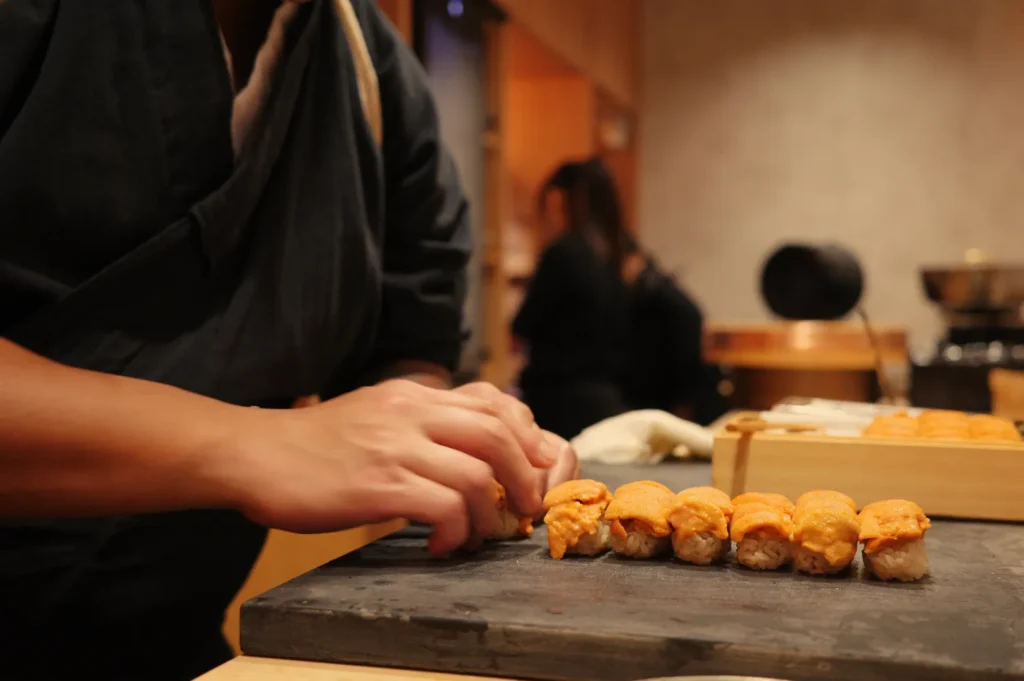
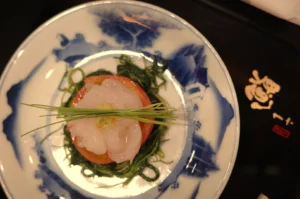
An omakase course rarely announces itself with fanfare. It tends to begin gently, with something light on the palate, before moving through raw fish of increasing richness, a showcase piece such as uni, and finally something to close the meal on a sweeter note. There is no fixed script. A chef takes cues from the season, from what arrived freshest that morning, and from the guests seated in front of him.
While no two omakase courses are identical, most follow a similar arc, one shaped by pacing rather than portion size:
A gentle opening, something light enough to wake the palate without overwhelming it
A progression of sashimi and nigiri, moving from milder cuts of fish towards richer, fattier ones
A showcase moment, often built around uni or another prized catch of the season
A closing course, typically a light dessert, to bring the night to a soft finish
This is why the freshest seasonal ingredients matter so much more in omakase than in a printed menu format. A dish built around what is at its peak that week cannot be repeated identically a month later, and that impermanence is part of the appeal. Guests are not simply eating a meal; they are tasting a specific point in the calendar that will not return in quite the same way.
At Sushi Masa by Ki-Setsu, this principle guides everything Chef Masa prepares. Ingredients are sourced from Japan’s Toyosu market and flown in for use the same night, so that what reaches the counter reflects the freshest ingredients available rather than what is convenient to keep on hand, and never a compromise on the finest ingredients a given season has to offer. It is a demanding way to run a kitchen, but it is the only way we know that stays true to omakase in Japan as it was originally practised.
Trust Built Course by Course
Because there is no menu to consult, an omakase meal asks guests to notice rather than to choose. Watch the hands preparing each piece, expect the pace to shift as the courses progress, and let each bite arrive exactly as it is supposed to, as a small surprise rather than a foregone conclusion. Regular guests often say that by the final course, they understand a chef’s style the way one understands a person, not through a single dish but through the accumulation of many.
Sushi Masa by Ki-Setsu: Bringing the Spirit of Omakase in Japan to Singapore
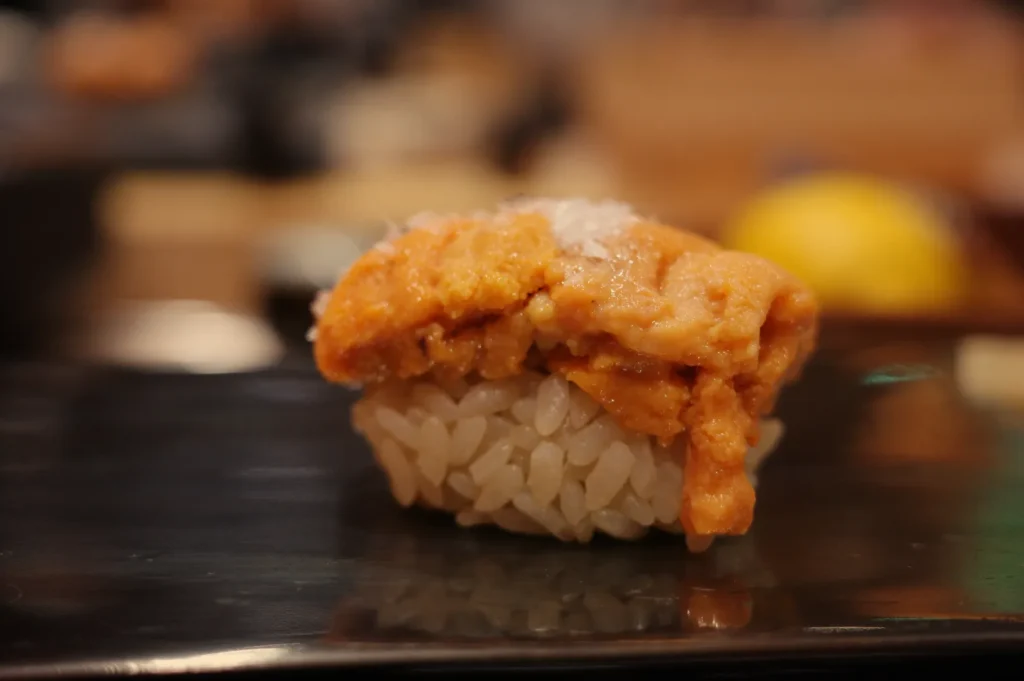
Sushi Masa by Ki-Setsu was built on the belief that omakase does not need to be diluted to travel. Chef Masa’s dinner each night follows the same Edomae instincts that shaped the tradition generations ago, built around seafood alone and paced with the same attention that once defined small counters in Tokyo. There is no meat on the table and no shortcut taken with sourcing; everything is guided by what is genuinely in season and genuinely worth serving.
Seating is intentionally limited, which means reservations are best made well in advance, particularly for diners planning a special evening or hoping to secure a spot at short notice. It is an intimate, unhurried dining experience, supported by attentive service and closer in spirit to a private audience with a chef than to a typical night out, and it is one we hope every guest leaves feeling was worth the wait.
If the history of omakase in Japan has ever intrigued you, there is no better way to understand it than to experience it firsthand. We invite you to reserve a seat at our counter, leave the evening in Chef Masa’s hands, and discover for yourself why “I’ll leave it to you” remains one of the most trusted phrases in Japanese cuisine.