Omakase Price Singapore: How to Budget for an Authentic Edomae Experience
Embarking on an omakase dinner is thrilling for any Japanese cuisine lover. You’ve seen the photos, heard the rave reviews, and now wonder: “How much is omakase?” This question leads to a wide range of answers, making planning tricky.
Singapore’s vibrant dining scene is especially evident in the Tanjong Pagar area, as well as Cuppage Plaza, both renowned for their abundance of Japanese restaurants and intimate omakase experiences.
At Sushi Masa by Ki-setsu, transparency and education are key to an exceptional experience. Our approach to the Edomae tradition is rooted in quality-driven pricing, empowering you to make informed decisions.
Understanding Omakase Menu Price Ranges in Singapore
When searching “omakase price Singapore,” you’ll find a broad spectrum. Omakase isn’t one-size-fits-all; it covers diverse dining experiences. Omakase menus ranging in price and variety are offered across different restaurants in Singapore, with each restaurant presenting its own unique take on the omakase tradition. These generally fall into tiers, distinguished by factors affecting the overall omakase cost Singapore.
- Affordable Omakase: Accessible Entry to Chef’s Choice
At the accessible end, some restaurants offer chef’s-choice omakase menus with quality ingredients and skilled preparation—great for newcomers. The omakase price here lets diners enjoy the concept without a large financial commitment, and the variety of omakase menus available at these restaurants ensures there is something for every palate.
- Mid-Range Omakase: Elevated Ingredient Quality and Refined Ambiance
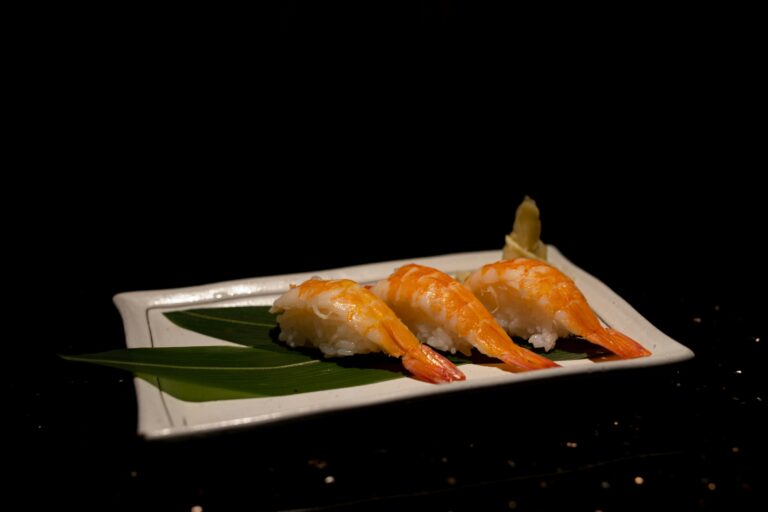
Mid-range omakase reflects higher ingredient quality, chef expertise, and refined ambiance. Seafood is often sourced from Japan, paired with chefs trained in traditional techniques. These restaurants in Singapore offer different omakase menus to cater to various preferences, balancing cost and elevated dining.
- Premium Omakase: Uncompromising Excellence and Master Chef Dedication
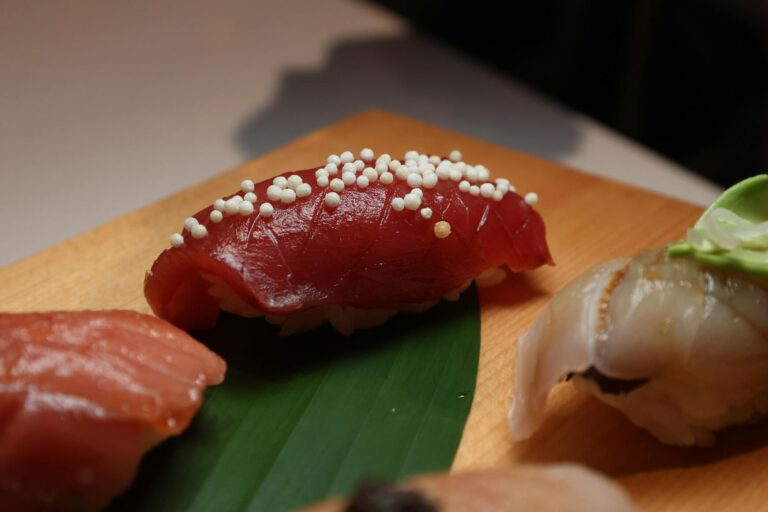
At the premium level, including Sushi Masa by Ki-Setsu, omakase price reflects uncompromising excellence. Expect daily air-flown fresh ingredients from renowned markets like Toyosu Market, a master chef with decades of Edomae experience, and an intimate setting. This is the pinnacle of Japanese omakase—a world-class dinner where pricing matches dedication.

What Influences Omakase Price at Authentic Edomae Establishments
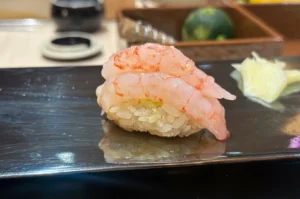
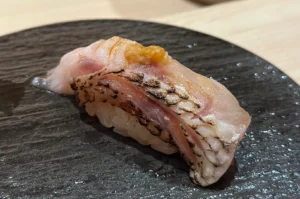
The Edomae omakase cost isn’t arbitrary; it’s a sum of critical factors. Ingredient quality is paramount—authentic omakase restaurants invest in premium ingredients, including premium sushi selections, to ensure every dish meets the highest standards. The food is meticulously crafted and beautifully presented, with each course designed to deliver a memorable culinary experience. The use of premium sushi and top-tier ingredients directly influences the overall price, reflecting the commitment to excellence and exclusivity.
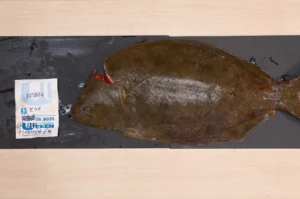
Seasonal ingredient availability also plays a significant role. The seasonal availability of premium seafood and meat means that certain dishes or ingredients may only be offered at specific times of the year, impacting both the uniqueness of the menu and the pricing. Limited access to these premium seafood and meat options can drive up costs, as only the freshest, in-season items are served.
Chef expertise is another key factor. The chef’s mastery is evident in the careful selection and preparation of premium ingredients, including premium sushi and meat, which require advanced skills and deep knowledge of Japanese culinary tradition. Omakase menu features often include signature dishes, seasonal ingredients, and unique presentations that enhance the overall value and set each dining experience apart. This expertise ensures that each course is crafted to highlight the natural flavors and textures of the finest ingredients.
Size and exclusivity of the restaurant—often with just a handful of seats at the sushi counter—contribute to the intimate dining experience and the overall value of the omakase.
Seasonal Ingredient Availability
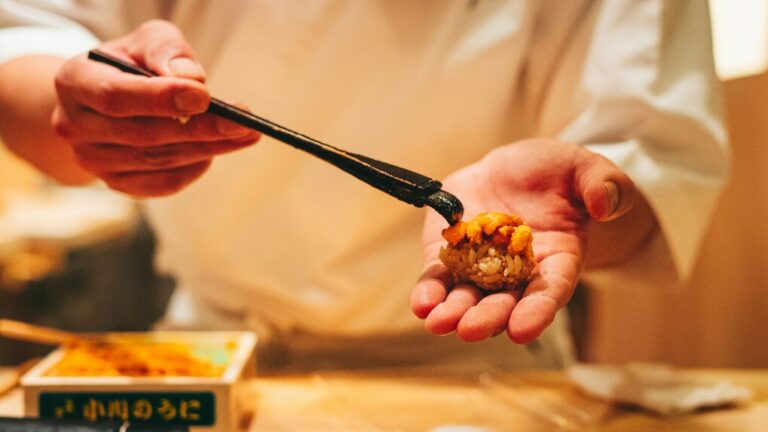
Authentic omakase centers on ingredients, guided by seasonality. The philosophy of shun celebrates peak freshness, meaning menus constantly change and highlight the use of fresh produce that reflects seasonal availability. Rare fish like wild bluefin tuna (hatsu-maguro) or creamy sea urchin (uni) from Hokkaido appear only briefly each year.
Scarcity and quality drive prices up. Chef Masa builds menus daily from Toyosu Market’s freshest seasonal ingredients, so omakase cost Singapore naturally fluctuates. Peak-season delicacies command higher prices than more common, yet still premium, items.
The Chef's Experience and Mastery
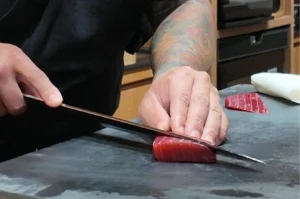
Omakase is a performance led by the chef, whose mastery spans decades. This expertise deeply influences omakase price.
You pay for years of knowledge—from perfecting sushi rice seasoning to aging fish for umami and crafting a cohesive multi-course omakase menu. At Sushi Masa, each dish is meticulously prepared by Chef Masa, ensuring the highest quality and attention to detail. His singular vision ensures every guest enjoys a top-tier experience, reflected in pricing.
Omakase Restaurant Size and Intimacy
Premium omakase restaurant Singapore venues are often small, with intimate counters seating few guests. This exclusivity enables personal interaction and attention, essential to omakase’s philosophy.
Small-capacity venues with dinner-only service have unique economics. Overheads are shared among fewer diners, so omakase price includes the privilege of a front-row seat to the chef’s craft and a tranquil setting to savor the gastronomic journey.
How to Plan Your Omakase Budget
With these factors in mind, you can plan your omakase budget by aligning expectations and finances for an enjoyable experience, considering the variety of curated omakase meals available for both lunch and dinner.
For those seeking a more affordable introduction to omakase, many restaurants offer lunch sets and a dedicated lunch menu, providing value-oriented options and set meals that make the experience accessible during midday.
Setting Realistic Expectations
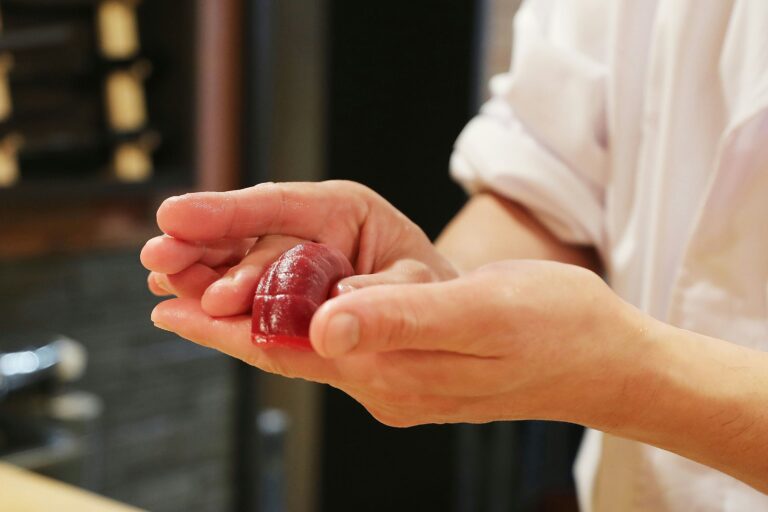
Decide your desired experience: a once-in-a-lifetime celebration or regular exploration? Special occasions may warrant premium Edomae omakase investment, while frequent diners might try varied tiers. For those seeking a more accessible or value-oriented option, consider exploring lunch omakase menus, which often feature high-quality selections at a lower price point. Clear goals help set an appropriate omakase price range.
What’s Typically Included in Omakase Price
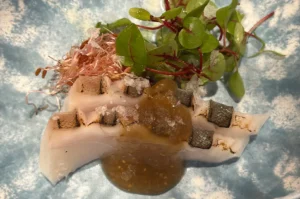
The listed omakase price usually covers the full omakase menu, which features a chef-curated sequence of sushi omakase courses. This includes an appetiser to start the meal, followed by seasonal sashimi, a progression of nigiri and nigiri sushi courses that showcase fresh, premium ingredients, hot dishes such as tempura, soup (often miso soup), and dessert. Certain courses may be accompanied by ponzu sauce to enhance their flavor. The omakase menu may also include a special dish that stands out for its uniqueness or presentation. Each dish is carefully served to highlight its flavors and presentation.
Courses vary, but the omakase menu is designed as a complete, satisfying dinner. Unlike à la carte, you don’t order individual dishes. The price covers the entire gastronomic narrative.
Additional Costs to Consider
Budget beyond the menu price for beverages—fine sake or wine pairings are common extras. Also, Singapore’s 10% service charge and GST apply. Allocate an extra 20-30% above the omakase price for drinks and taxes to avoid surprises.
Making the Most of Your Omakase Investment
After budgeting and reserving, maximize value from your meal. Omakase is not just a meal—it’s a unique dining experience where every detail, from the chef’s artistry to the intimate setting, is designed to immerse you in Japanese culinary tradition.
To fully appreciate your dining experience, engage with the chef and ask about the inspiration behind each course. The omakase menu often features delicious and special dishes that showcase seasonal seafood and the chef’s creativity. Many of these dishes are thoughtfully crafted to achieve a good balance of flavors and textures, enhancing the overall dining experience and making each visit memorable.
Timing Your Visit
Omakase’s seasonality means timing affects experience. Book during seasons featuring your favorite ingredients—rich winter fish or delicate spring seafood—to enhance your meal.
Questions to Ask Before Booking
Inquire about current omakase price and course details to manage expectations. When making a reservation, be sure to check the restaurant’s opening hours to ensure availability for your preferred date and time. Inform the restaurant of dietary restrictions early so Chef Masa can prepare thoughtful alternatives without compromising the menu.
Engaging with the Chef
Interact with the chef—ask about fish origin, preparation, or techniques. For example, you might inquire how special ingredients like egg yolk are used to enhance certain dishes. Chef Masa welcomes this dialogue, enriching your dining with cultural insights and making the omakase price feel like a worthy investment.
For a deeper dive into exceptional omakase in Singapore, read our guide: The Ultimate Guide to the Best Omakase Restaurant in Singapore: Where Culinary Artistry Meets Japanese Tradition at Sushi Masa by Ki-Setsu.
Explore Omakase Restaurants in Singapore
Budgeting for omakase unlocks one of Japanese cuisine’s most profound experiences. Understanding price tiers, cost drivers, and additional expenses lets you decide confidently. Your omakase budget is more than money—it’s appreciation for skill, passion, and tradition in every course.
The omakase price is your ticket to artistry, education, and sensory delight. We hope this guide equips you to plan your next culinary adventure. When ready, reserve with us and let Chef Masa reveal the true value behind a premium omakase dinner.
For more details, check out our full review of Sushi Masa or explore other omakase experiences.