Omakase: The Ultimate Guide to Japan’s Premier Dining Experience in Singapore
In Singapore’s vibrant culinary scene, few formal dining experiences command the reverence of omakase. This ancient Japanese tradition, where diners place full trust in their chef’s expertise, is more than a meal—it’s a spiritual companion to understanding Japanese culture, craftsmanship, and culinary perfection. As Singapore cements its status as Southeast Asia’s omakase capital, mastering this intimate dining ritual is essential for exploring Japanese cuisine deeply.
The omakase experience transcends typical dining, transforming a meal into an unforgettable journey guided by master chefs dedicated to perfecting their craft. Authentic omakase restaurants like Sushi Masa by Ki-Setsu offer access to centuries-old traditions while embracing the cosmopolitan sophistication defining modern Singapore dining.
What Is Omakase? Understanding Japan’s Most Revered Culinary Tradition
Omakase, meaning “I’ll leave it up to you,” expresses ultimate trust between diner and chef. When ordering omakase, the customer leaves meal selection entirely to the chef, who curates a personalized experience based on the finest ingredients available that day. This shift from customer choice to chef expertise distinguishes omakase style from conventional menu dining.
Diners forget expectations and embrace a journey where each course unfolds as a surprise, reflecting the chef’s daily ingredient selection, creativity, and reading of guest preferences.
This trust-based philosophy transforms the restaurant dynamic. Chefs become storytellers, sharing ingredient origins, cooking techniques, and creating an educational experience beyond mere sustenance. The intimate setting, usually counter seats for fewer than ten guests, fosters direct interaction between chef and diner, allowing diners to engage all their senses and creating memorable moments unmatched by traditional dining.
Unlike usual menu dining, omakase celebrates the artistry of master chefs who spend years perfecting ingredient knowledge, flavors, and presentation.
The Rich Cultural Heritage Behind Omakase Japanese Cuisine
Omakase’s roots trace to Japan’s Edo period (1603-1868), when sushi emerged as Tokyo’s original fast food. Sushi chefs operated small stalls, serving fresh fish to workers needing quick meals. Omakase arose from customers trusting itamae (sushi masters) to select the best, freshest fish daily, building a tradition based on expertise and seasonality.
These early stalls, without refrigeration, relied on daily market visits, fostering chefs’ intimate understanding of seasonal availability and freshness. This history explains omakase’s emphasis on daily ingredient selection and the chef’s role as craftsman and curator.
Omakase’s evolution from street food to revered art reflects Japanese values of dedication, respect for tradition, and pursuit of perfection through practice. Master sushi chefs apprentice for years, developing sensory skills to evaluate quality, understand seasons, and read guest preferences.
This cultural foundation sets omakase apart from kaiseki, a more structured, predetermined multi-course meal. While kaiseki follows fixed protocols, omakase offers flexibility, adapting offerings based on daily inspiration and guest interaction.
The Philosophy of Seasonal Perfection
Central to omakase is the Japanese concept of “shun”—consuming ingredients at their peak seasonal perfection. This guides ingredient selection and menu composition year-round. Chefs master when fish, vegetables, and more reach optimal flavor, texture, and nutrition.
Authentic omakase menus change dramatically with the seasons.
Spring features delicate presentations and young vegetables.
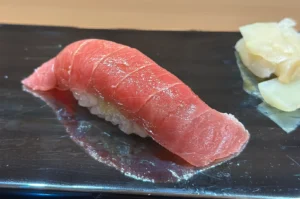
Winter highlights rich, warming dishes like sea urchin and premium fatty tuna.
This evolution keeps regular diners surprised and engaged.
Singapore’s tropical climate allows chefs to source exceptional ingredients year-round, blending traditional Japanese seasonal patterns with premium local seafood and produce.
Commitment to seasonal perfection extends to preparation, serving temperatures, and presentation, honoring each ingredient’s unique traits. Omakase becomes an educational experience, deepening guests’ appreciation for nature’s subtle cycles.
What to Expect During Your Omakase Experience at Japanese Restaurants
An authentic omakase unfolds as a carefully orchestrated progression, starting with lighter appetizers and building to richer, more intense flavors. The meal often lasts several hours, allowing guests to savor each course and absorb the chef’s explanations about ingredients, techniques, and culture.
From the moment you sit at the counter, the chef’s workspace becomes a stage showcasing knife skills, timing, and artistic presentation. This theatrical aspect entertains while demonstrating the mastery behind omakase.
Most experiences begin with seasonal appetizers awakening the palate—delicate sashimi, expertly fried tempura, or innovative dishes blending tradition and creativity.
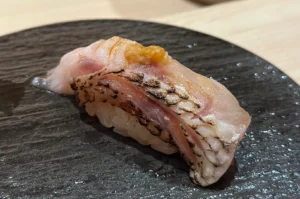
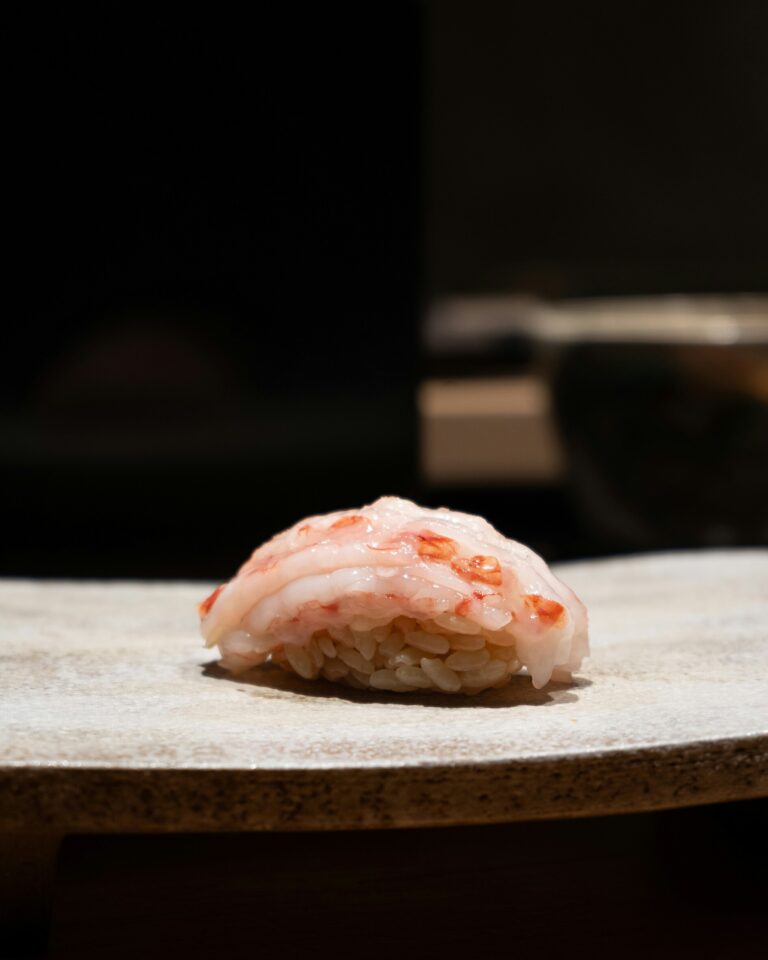
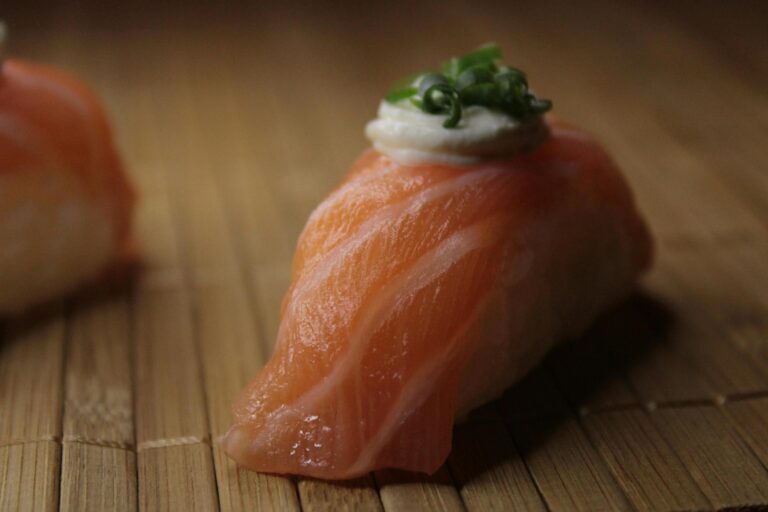
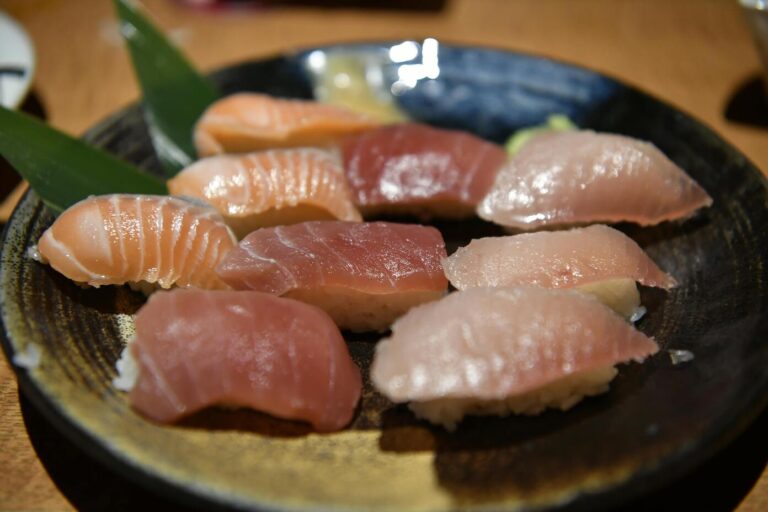
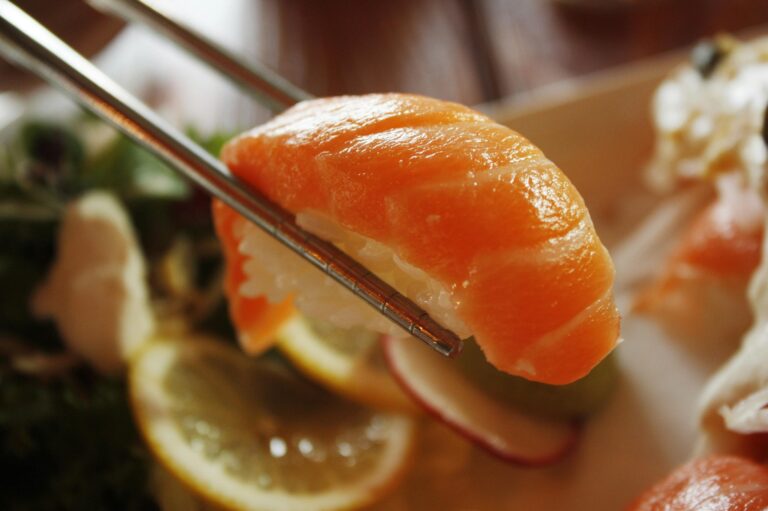
As the meal advances, attention shifts to nigiri sushi, highlighting the chef’s skill in fish selection, rice preparation, and serving sushi at its peak. Each piece is crafted individually, designed to be eaten immediately to savor perfect flavor and temperature balance.
The intimate counter encourages ongoing conversation, letting diners ask about ingredients, preparation, and Japanese culinary philosophy. This educational exchange sets omakase apart from other formal dining experiences.
The Art of Sushi Preparation at the Counter
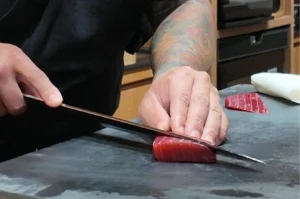
Watching a master sushi chef reveals extraordinary precision. Every movement matters—from knife angles to gently warming rice before forming nigiri. Timing is crucial; sushi is meant to be eaten moments after preparation, when warm rice and cool fish harmonize perfectly.
Preparation starts hours before service, with meticulous rice cooking balancing texture, temperature, and seasoning. Fish preparation is equally complex, requiring species-specific cutting, aging, and temperature treatments to maximize flavor and texture. Chefs intuitively handle delicate ingredients like sea urchin and perfect sashimi cuts.
Each piece’s presentation is a brief performance, with chefs explaining fish origin and techniques while serving it directly to guests, ensuring optimal tasting moments.
Types of Omakase Experiences Available in Singapore
Singapore offers diverse omakase experiences, from traditional Edomae-style sushi omakase to innovative interpretations blending international influences with Japanese techniques. Diners can explore various approaches matching their preferences.
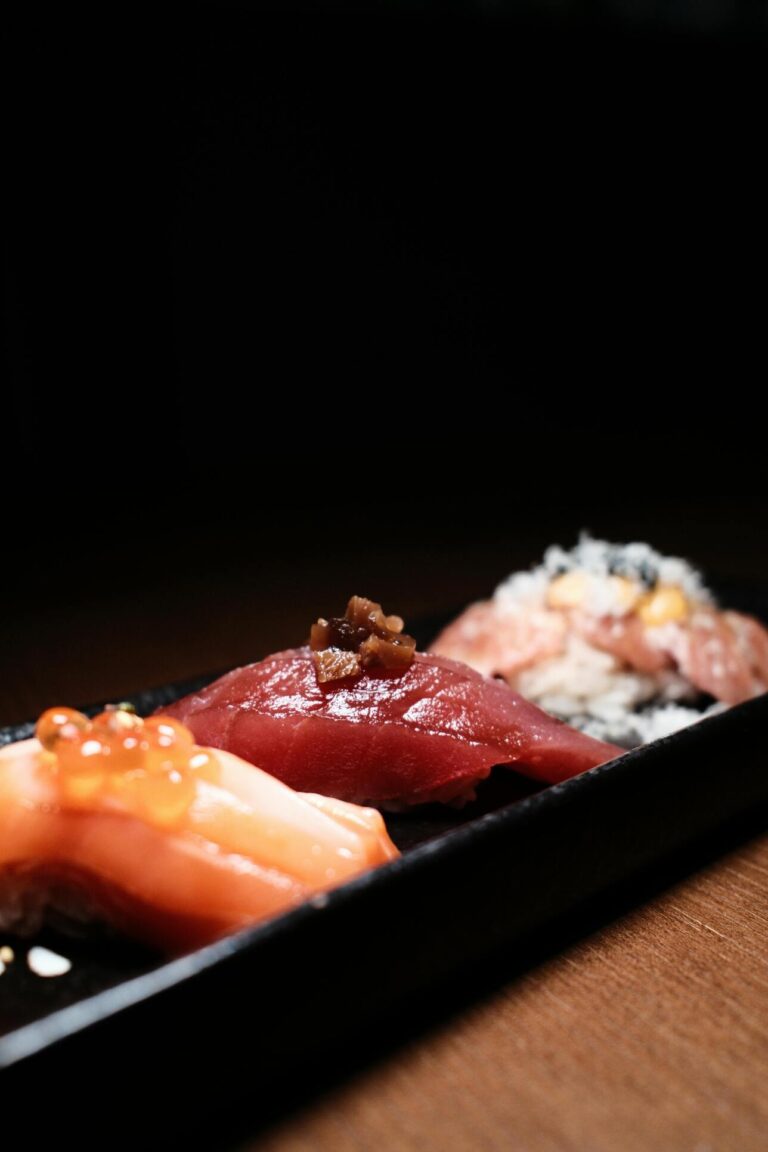
Traditional Edomae-style omakase emphasizes sushi and sashimi, showcasing pure ingredient flavors, precise knife work, and expert rice preparation. The progression features nigiri with various fish, often concluding with premium sea urchin or high-grade tuna.
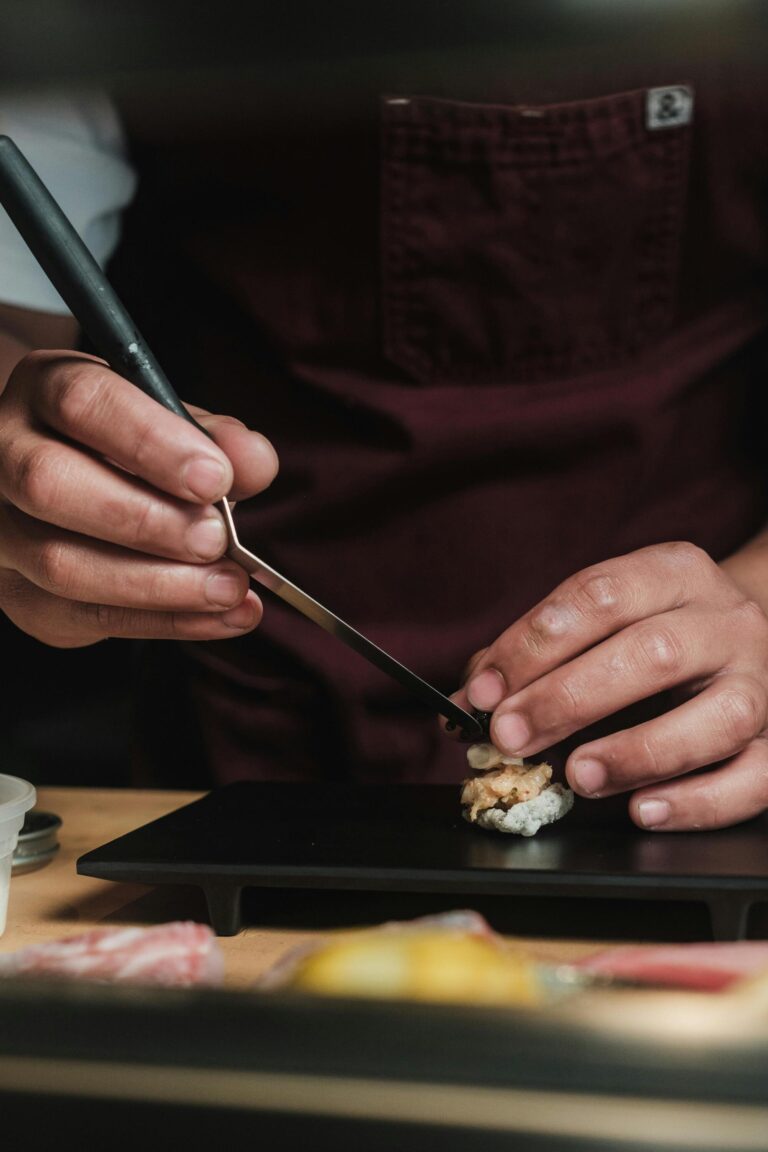
Modern omakase includes cooked dishes, creative presentations, and fusion elements reflecting culinary innovation while respecting Japanese fundamentals. These may feature tempura, grilled items, or unique appetizers demonstrating broader chef skills.
Specialized omakase focuses on specific ingredients or techniques, such as tempura-centric menus or wagyu beef explorations, allowing chefs to showcase deep expertise and create unique dining experiences.
Lunch omakase offers shorter, more accessible menus, ideal for first-timers or those with limited time, while dinner omakase is longer and more formal.
Singapore’s Thriving Omakase Scene
Singapore is Southeast Asia’s omakase capital, attracting renowned Japanese chefs and diners who value authentic traditions. Its strategic location, sophisticated palate, and investment in exceptional dining create an ideal environment for omakase to flourish.
The city’s multicultural population embraces chef-guided experiences, appreciating the value of trusting experts to craft memorable meals beyond conventional menus.
Singapore’s omakase scene ranges from accessible lunch options introducing newcomers to ultra-premium dinners rivaling Tokyo’s finest.
Exceptional omakase restaurants maintain direct supplier relationships in Japan, ensuring access to the same high-quality ingredients as Tokyo’s top establishments.
What Sets Premium Omakase Apart in Singapore
Premium omakase restaurants in Singapore excel through daily sourcing of top ingredients from Tokyo’s Toyosu Market and specialized Japanese suppliers, delivering quality on par with Japan’s finest.
- Chef training is vital; authentic omakase demands chefs extensively trained in Japan, mastering ingredient selection, preparation, and service standards.
- Intimate settings with authentic counters and ambiance enhance the experience, blending traditional Japanese design with contemporary sophistication.
- Use of authentic materials like hinoki cypress counters and traditional ceramics reflects commitment to honoring omakase traditions while meeting Singapore’s high dining expectations.
How to Prepare for Your First Omakase Experience
Preparation involves practical and cultural understanding. Reservations are essential, often weeks in advance, especially for prime times and weekends like Sunday or Tuesday.
Expect a financial commitment reflecting premium ingredients, chef expertise, and intimate service. Consider beverage pairings when budgeting.
Communicate dietary restrictions early; reputable restaurants accommodate serious needs but extensive limits may affect progression.
Dress smart casual to formal, respecting the sophisticated atmosphere. The intimate counter means your appearance contributes to ambiance.
Allocate several hours to fully enjoy, savoring courses, engaging with the chef, and appreciating the educational aspects without rush.
Omakase Etiquette and Cultural Considerations
- Proper etiquette enhances enjoyment and respect. The small counter setting invites direct interaction with the chef, who guides and educates.
- Respectful attention and moderate conversation maintain a pleasant atmosphere. Your behavior affects the experience of all guests.
- Consume nigiri promptly to enjoy optimal flavors and temperatures.
- Discreet photography; avoid flash and excessive pictures to preserve intimacy.
- Questions about ingredients and techniques are encouraged but time them to complement service flow.
Why Choose Omakase Over Traditional Menu Dining
Omakase prioritizes discovery, education, and artistry over familiar choices. It grants access to exclusive, seasonal, premium ingredients and preparations chefs reserve for adventurous guests.
Personalized dining evolves with guest preferences, as chefs adjust courses based on reactions, creating unique experiences.
Educational value includes learning Japanese culinary philosophy, seasonal ingredients, and techniques through direct chef interaction.
Seasonal variability ensures menus constantly change, keeping discovery alive for regular diners.
Chef expertise offers insights into advanced techniques and flavor theories, enriching fine dining appreciation.
The Investment Value of Premium Omakase
Omakase pricing reflects access to premium ingredients flown daily from Japan and specialty items.
Chef mastery, developed over years, and intimate service ratios ensure personalized attention impossible in typical restaurants.
Rarity and exclusivity add value, as few qualified chefs and limited seating define authentic omakase.
Service includes education, entertainment, and cultural exchange, creating lasting memories beyond food.

Selecting the Right Omakase Restaurant in Singapore
- Evaluate chef background and training to assess commitment to authentic techniques.
- Check ingredient sourcing for quality and authenticity, with direct Japanese supplier links preferred.
- Consider environment and counter design for cultural immersion.
- Match price points to experience levels, from entry-level introductions to premium offerings.
- Review trusted sources like food critics, experienced diners, and culinary recognitions such as the Michelin Guide.
- Consider traditional technique versus fusion styles; first-timers benefit from traditional approaches before exploring modern adaptations.
The Future of Omakase in Singapore
Growing appreciation among Singapore diners signals a bright future for omakase. As palates become sophisticated and adventurous, demand expands beyond the Japanese expatriate community.
Sustainability influences omakase evolution, with chefs exploring responsible sourcing, including premium local seafood alongside Japanese imports.
Technology offers service enhancements—digital reservations, ingredient tracking, and preference databases—without losing omakase’s intimate human touch.
Start Your Best Omakase Experience Today
As Singapore’s omakase scene matures, emphasis on craftsmanship, seasonality, and cultural education elevates its status as a premier destination for Japan’s revered culinary tradition. Whether newcomer or enthusiast, Singapore’s omakase restaurants offer gateways to culinary perfection.
We invite you to join us at Sushi Masa by Ki-Setsu, where we embody these principles through every carefully crafted dish. Together, we celebrate seasonal perfection, masterful technique, and the intimate chef-to-guest connection that defines authentic omakase. At our exclusive 8-seat sushi counter, Chef Masa and our team curate each course using premium seafood flown daily from Japan’s Toyosu Market, honoring the artistry and trust at the heart of this tradition.