Choosing where to spend a romantic evening is never just about the food. It is about the pacing of the night, the quality of conversation, and the small, unspoken moments shared across a table. For lovers of Japanese cuisine, the choice often comes down to two very different dining philosophies: omakase and à la carte. Both have their place, but only one is built, almost by design, for romance. At Sushi Masa by Ki-Setsu, we believe the answer lies in trust, patience, and the quiet theatre of a chef crafting each course by hand.
The Language of Romance in Japanese Dining

Japanese dining has always leaned on subtlety. Long before “romantic date” became a marketing phrase, Japanese hospitality, known as omotenashi, was built around anticipating a guest’s needs before they were spoken.
That philosophy still shapes how a modern Japanese restaurant chooses to serve its guests. Some restaurants place the decisions entirely in the diner’s hands. Others place the entire evening in the hands of the chef. The difference sounds small, but it changes the entire emotional texture of the night.
Singapore’s dining scene offers plenty of choice for couples planning a night out. From rooftop bars with a stunning city view over Marina Bay Sands, to garden restaurants tucked behind lush foliage, the city rarely runs short of striking backdrops. Yet for many couples, the most memorable evenings come not from the view outside the window, but from the closeness of the experience at the table itself.
Why Structure Shapes the Mood
When a menu is fixed by choice rather than chance, diners spend the evening negotiating, comparing prices, and debating who orders what. When a menu unfolds course by course, that negotiation disappears entirely. Conversation flows instead of pausing over decisions.
For many guests, this is precisely what separates a good meal from a memorable one. A romantic evening is rarely remembered for how efficiently it was served. It is remembered for how unhurried it felt, and how present both guests were able to stay with each other throughout the night.
The Seasons on a Plate

Japan’s culinary calendar is built around change. Each season brings a different array of fish, shellfish, and vegetables at their peak, and a genuine Japanese cuisine experience should reflect that rhythm rather than resist it.
At Sushi Masa by Ki-Setsu, this philosophy guides every seating. Ingredients are sourced fresh from Japan’s Toyosu Market and flown to Singapore daily, so what arrives at the counter reflects the current season rather than a fixed, unchanging list of signature dishes. This is part of why the menu at Sushi Masa by Ki-Setsu shifts throughout the year:
- Cooler months bring richer, fattier cuts of seasonal ingredients like salmon and wagyu
- Warmer months favour lighter, more delicate seafood from the Land of the Rising Sun
- Certain shellfish and roe only appear for a few short weeks a year
- Garnishes and citrus notes shift to match what is naturally in season and complement grilled preparations
This ever-changing approach means no two visits are ever quite the same, which is part of what keeps returning guests curious rather than complacent.
Omakase: A Story Told Course by Course

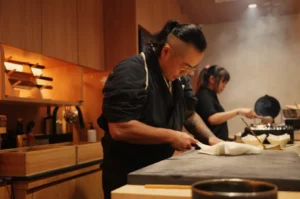
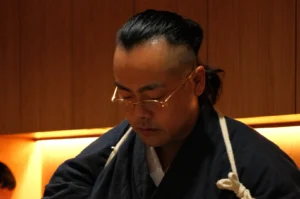
Omakase means “I leave it to you.” It is not simply a tasting menu, it is an act of trust between guest and chef. At Sushi Masa by Ki-Setsu, Chef Masa selects each dish based on what is freshest that evening, sourced daily from Japan’s Toyosu Market, and prepared using Edomae techniques passed down through generations of sushi craftsmanship.
For a romantic date, this structure removes friction almost entirely. Neither guest has to choose, compare, or compromise. Instead, both simply savour what arrives, one dish at a time, discovering the meal together.
A typical omakase evening at Sushi Masa by Ki-Setsu might unfold like this:
- A light opening course that awakens the palate with delicate appetisers
- A sequence of sashimi featuring seasonal, premium seafood including salmon
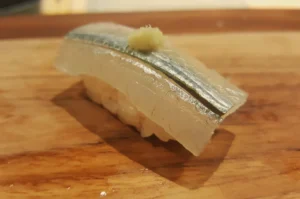
- Nigiri sushi, prepared piece by piece at the counter
- A warm, cooked course that balances the earlier chilled dishes, sometimes featuring grilled wagyu
- A closing course, often something sweet, to end the night gently with desserts
Because Chef Masa curates the sequence, guests can focus entirely on each other, rather than on menus, prices, or decisions.
The Craft Behind Every Piece
Edomae, the traditional style Chef Masa follows, is more than a way of slicing fish. It refers to techniques developed generations ago in Tokyo, including careful curing, ageing, and seasoning of each ingredient before it ever touches the rice. Sushi rice itself is seasoned precisely, warmed to match body temperature, and shaped by hand for every single guest.
It is slow, deliberate work, and it cannot be rushed for the sake of turning tables. That same unhurried discipline is exactly what makes an evening feel intimate rather than transactional. Watching a dish take shape, piece by piece, in front of you is its own quiet form of romance.
À La Carte: Familiar, Flexible, but Formal

À la carte dining has its own appeal. Many traditional restaurants favour it because it offers flexibility. Diners choose exactly what they want, in whatever order they prefer, and can control portion sizes and pacing themselves.
However, this flexibility can work against romance. Ordering from a long list of dishes, discussing preferences, and waiting for individual plates to arrive at different times can turn dinner into a series of small decisions rather than a shared journey. For some occasions, that suits the mood perfectly. For a romantic evening, it can feel more transactional than intimate.
There is nothing wrong with à la carte dining. It simply serves a different purpose, choice and control, rather than surrender and surprise.
Omakase vs À La Carte: Side by Side
To put it plainly, here is how the two experiences compare when romance is the priority.
| Element | Omakase | À La Carte |
|---|---|---|
| Decision making | Left entirely to the chef | Made by the diners |
| Pacing | Set by the chef, unhurried and deliberate | Set by the diners, sometimes rushed |
| Element of surprise | High, each course is a discovery | Low, dishes are known in advance |
| Connection with the chef | Direct, often at a counter | Usually minimal or none |
| Best suited for | Intimate settings, special occasions, romantic dates | Casual meals, group dining, flexible appetites |
Neither model is objectively superior. When the goal is connection rather than convenience, omakase tends to create the more intimate atmosphere.
What Makes the Best Japanese Restaurant for a Romantic Night

A romantic evening is not only about what is served, it is also about where it is served. An intimate venue, unhurried service, and genuine warmth from the person preparing the meal shape how a night is remembered.
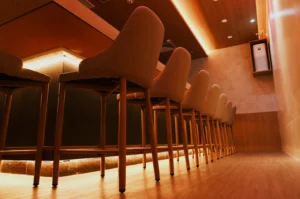
At Sushi Masa by Ki-Setsu, seating is limited to just eight counter seats, allowing guests to sit close to Chef Masa as each dish is prepared before them in an indoor setting. There is no rush, no crowd, and no distraction. For couples craving quiet celebrations, that closeness often means more than any view or backdrop ever could.
Warm hospitality plays an equally important role. From the moment guests are welcomed, service is paced around conversation rather than turnover. Small gestures, a recommendation, a brief story about a particular fish, or a quiet check on how the evening is going, all add to the sense that this is a room built for two, not a transaction. Guests may also indulge in carefully curated drinks from sake to shochu, enjoyed in the lounge before or after their meal.
Crafting a Romantic Evening at Sushi Masa by Ki-Setsu
For guests planning a romantic date night, understanding how an evening unfolds helps set the right expectations. Sushi Masa by Ki-Setsu is dinner only, and the pacing reflects that.
Dinner Only, Not a Lunch Set
Unlike restaurants built around a quick set lunch or a value-driven lunch set to fill midday tables, this experience exists purely for the evening, when there is time to slow down and let each course breathe. Ingredients are sourced fresh each morning and prepared exclusively for the evening’s service, ensuring every dish is served at its peak under the sun’s fading light.
Opening Hours and Reservations
| Day | Opening Hours |
|---|---|
| Monday | Closed |
| Tuesday to Saturday | Dinner from 7:15pm |
| Sunday | Private bookings only |
Reservations are recommended well ahead of any planned celebration. Whether it is an anniversary, a proposal, or simply an evening set aside for each other, early booking ensures a seat at the counter when it matters most and allows guests to splurge on an intimate experience.
Guests who prefer a pairing may enquire about sake or shochu selections, chosen to complement the evening’s seasonal flavours. A chilled pour with sashimi or something warmer with grilled courses rounds out the experience.
Planning the Evening: A Few Notes for First Time Guests

For guests booking their first omakase experience, a little preparation goes a long way towards making the night feel effortless rather than uncertain. A few notes that often help:
- Arrive a few minutes before your seating, as courses are timed to begin together for all guests at the counter
- Let the reservations team know of any allergies in advance, since the sequence is prepared fresh for the evening
- Come with an open appetite and an open mind, since the joy of omakase lies in discovery rather than selection
- The setting is intimate but relaxed, so dress smartly yet comfortably rather than overly formal
- Consider mentioning a special occasion when booking, as a small celebration can often be woven gently into the evening
None of this is about rules for the sake of formality. It simply helps guests settle in quickly, so more of the evening can be spent enjoying good company rather than adjusting to something unfamiliar.
A Meal Worth Sharing, Not Just Ordering

Romance rarely lives in the size of a menu. It lives in shared glances, unhurried pacing, and the small surprises that arrive without being asked for. That is the quiet promise behind omakase, and it is the philosophy Chef Masa brings to every seating at Sushi Masa by Ki-Setsu.
If a memorable evening in Singapore is what you are after, consider leaving the choices behind for once. Take a seat at the counter, let the courses arrive one by one, and discover why so many guests describe omakase as less of a meal and more of a story told, one dish, one moment, at a time.