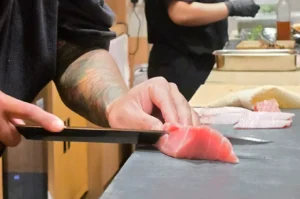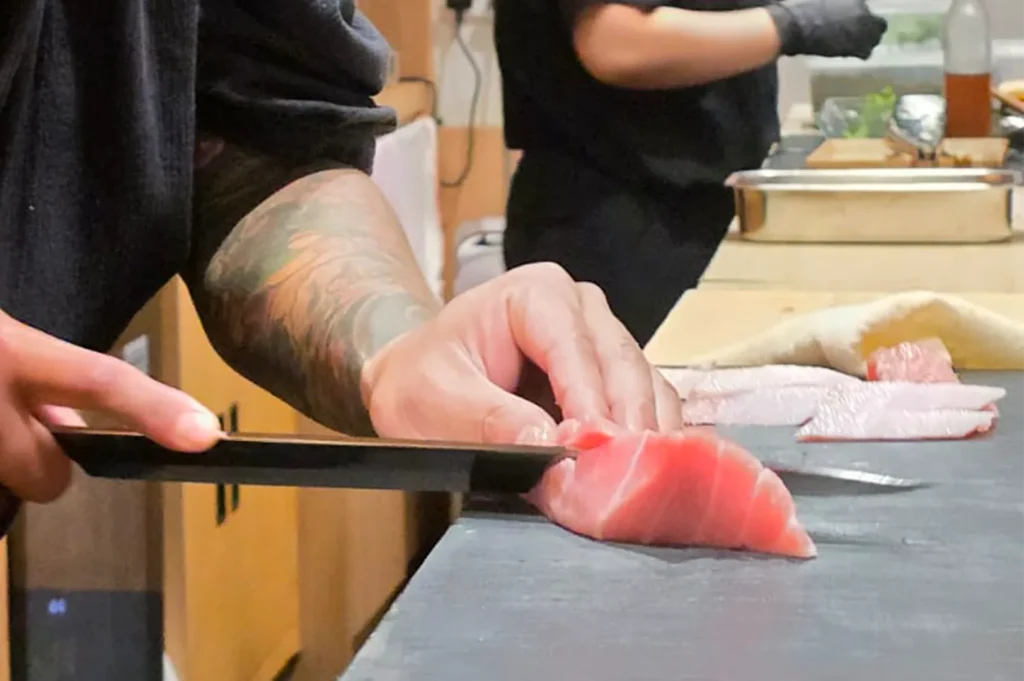
In the hushed, minimalist theater of a high-end sushi bar, the atmosphere is heavy with anticipation as a master prepares to break down a whole tuna. For the uninitiated, it is merely a fish; for the connoisseur, it is a map of textures, a spectrum of lipid distribution that defines the pinnacle of Japanese cuisine. At the center of this world lies the eternal debate of otoro vs chutoro, the two most storied expressions of the bluefin tuna. While both originate from the same fish, the nuance between them is the difference between a bold crescendo and a complex symphony.
Historically, the reverence for fatty tuna is a relatively modern phenomenon. During the Edo period, lean tuna, or akami, was the gold standard, while the oily belly was often discarded or used as fertilizer. It was only with the advent of refrigeration and the post-war shift in the Japanese palate that the fatty taste of the tuna’s belly, known collectively as toro, ascended to its current status, commanding exorbitant prices at global auctions.
The Anatomy of a Legend: Sourcing Bluefin Tuna and Bigeye Tuna
To understand the difference between otoro and chutoro, one must first understand the types of tuna that grace the cutting boards of the masters. While albacore and yellowfin are common in conveyor belt sushi restaurants, the true master seeks the Hon Maguro (Pacific Bluefin) or the Southern Bluefin. These fish caught in cold waters develop the high fat content necessary for true sushi and sashimi excellence.
The Global Hierarchy: Hon Maguro vs Southern Bluefin
While both are prized, the Hon Maguro is often considered the “king” due to its massive size and the complexity of its fat. However, the Southern Bluefin, found in the colder waters of the Southern Hemisphere, is equally lauded for its high fat content and dense, creamy texture. In some seasons, a high-quality bigeye tuna may also be utilized; while leaner than bluefin, its akami is prized for a clean, bright finish.
Otoro: The Decadence of the Fattiest Part of the Belly
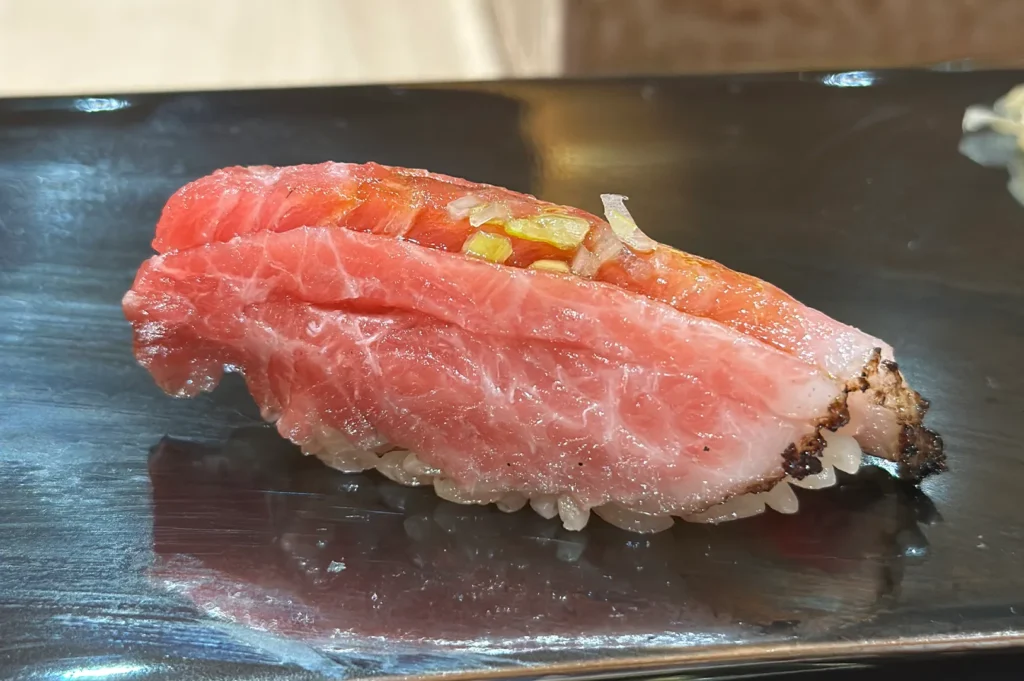
Otoro is frequently cited as the most desirable part of the tuna. It represents such a small amount of the whole tuna, typically found in the lowest section of the belly toward the head, which contributes to its exclusivity.
Texture and Science
The fatty texture of otoro is a result of intense marbling, similar to Wagyu. In the mouth, the fat begins to melt at body temperature, creating an extremely tender experience that feels less like raw fish and more like a rich, oceanic butter. This buttery flavor is the result of omega-3 fatty acids stored by the fish for insulation in the deep, cold currents.
The Master’s Technique: Handling High Fat Content
Because of its high fat content, otoro requires specific handling. A slice must be cut with a single, fluid motion using a yanagiba (sashimi knife) to avoid bruising the delicate lipids. It is typically served with a slightly larger dollop of wasabi than other cuts. The heat of the wasabi acts as a chemical foil to the fat, cutting through the richness to reveal the subtle, sweet flavor of the tuna.
Medium Fatty Tuna: Why Many Connoisseurs Prefer Chutoro
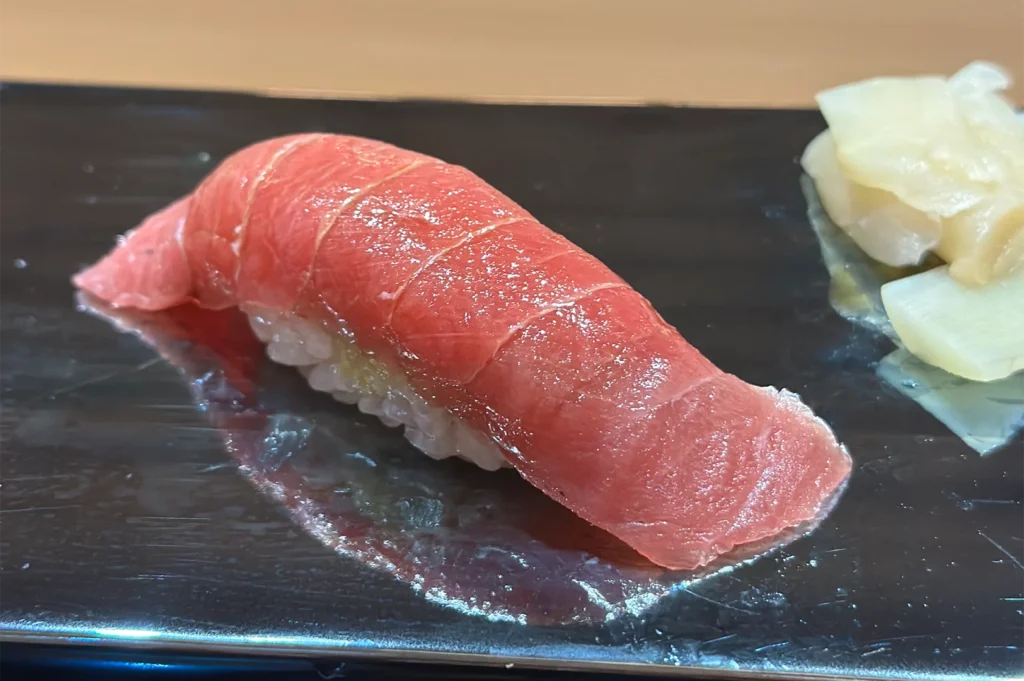
If otoro is the apex of richness, chutoro is the perfect blend of two worlds. It provides both the meaty umami of the lean tuna and the fatty luxury of the belly.
The Flavor Profile of Chutoro and Akami
Chutoro is moderately fatty, offering a mild flavor that many purists prefer over the sheer intensity of otoro. While akami (lean tuna) offers a metallic, iron-rich tang, chutoro introduces a velvety roundness. This balance makes it the quintessential middle ground in sushi and sashimi courses.
Balancing with Rice
In the form of nigiri, chutoro allows the seasoned rice (shari) to shine. The acidity of the vinegar in the rice interacts with the medium fatty tuna to create a harmonious one bite experience. While otoro can sometimes overwhelm the palate, chutoro invites a second and third piece, showcasing the structural integrity of the raw tuna.
The Master’s Progression: Akami, Chutoro, and Otoro
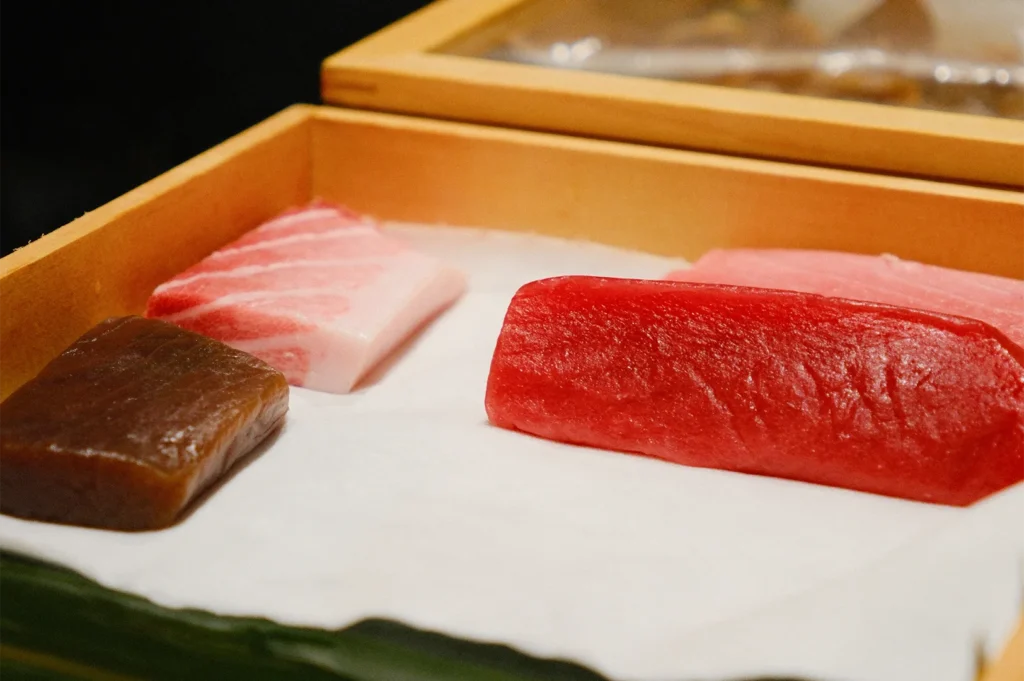
In Japanese cuisine, the order in which one consumes these cuts is vital to the educational experience of the meal. A master will guide the diner through the akami, chutoro, and otoro progression to build a narrative of flavor.
| Feature | Otoro | Chutoro | Akami |
|---|---|---|---|
| Location | Lower belly (near head) | Side of belly and back | Core/Center of fish |
| Fat Content | Extremely high | Moderate | Very low |
| Color | Pale pink / white marbling | Medium pink | Deep, translucent red |
| Mouthfeel | Instant melt | Creamy and structured | Meaty and firm |
Technical Finesse: The Evolution of Lean Tuna and Toro
The presentation of tuna sashimi and sushi is an art of subtraction. In Japanese restaurants, the goal is to enhance the natural state of the fish rather than mask it.
The Role of Shoyu and Wasabi
Unlike the spicy tuna rolls found in westernized casual spots, master-grade tuna is never obscured. A light brush of soy sauce (often a house-made nikiri) is applied by the chef to provide a salty anchor. For specific cuts, particularly from the head or near the bone, some masters may use grated ginger to provide a sharper top note, though wasabi remains the primary companion for fatty tuna.
The Slicing Ritual
The thickness of the slice is determined by the fat. Otoro is often sliced thinner to prevent the richness from becoming cloying, while chutoro might be served in a slightly more substantial cut to emphasize its meaty characteristics.
Sourcing Mastery: From Toyosu to the Sushi Bar
The quality of the dishes is inextricably linked to the source. Farmed tuna has become more prevalent, often boasting an unnaturally high and uniform fat distribution. However, traditional establishments still prioritize wild-caught Hon Maguro. The diet of a wild tuna, crustaceans, squid, and smaller fish, imparts a depth of flavor that farmed varieties cannot replicate.
The journey of the whole fish from the auction floor in Japan to the sushi bar is a race against oxidation. Maguro is highly sensitive; even a few degrees of temperature fluctuation can ruin the fatty texture and turn the vibrant pinks into a dull gray.
Experience the Pinnacle at Sushi Masa by Ki-setsu
At Sushi Masa by Ki-setsu, we honor the profound complexity of the bluefin tuna through our uncompromising dedication to the Edomae tradition. Our chef personally selects each specimen from the world-renowned markets of Toyosu, ensuring that every slice of otoro and chutoro reflects the absolute peak of seasonality and freshness.
During our exclusive dinner service, our chef utilizes meticulous knife work and precisely seasoned rice to elevate these highly prized cuts into a transformative omakase experience. We invite you to witness the artistry of the sushi bar, where the rich, buttery flavor of the deep sea is captured in one bite of perfection.