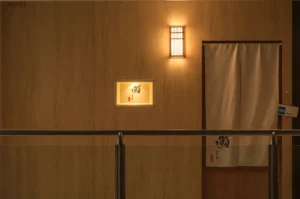
From the dining room, an eight-seat counter can seem simple. A quiet space. A short menu. A chef who moves without hurry. Yet everything a guest sees at Sushi Masa by Ki-setsu rests on the hours that come before them. The first episode of Behind the Counter opens the hidden restaurant in Orchard well ahead of service, when the room is still and the work has only just begun.
The Hours Guests Never See

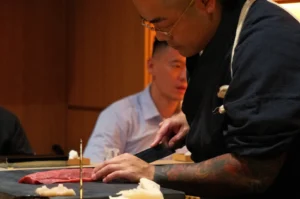
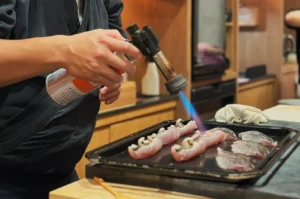
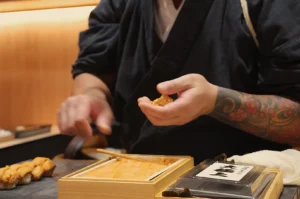
Long before the door opens, Chef Masa is already at work. The episode follows him through the steady rhythm of preparation, where each task has its place and its moment. Ingredients are checked, portioned, and set in order. Tools are readied and laid out with care. There is no audience here, no conversation to fill the room. Only the sound of a knife, the movement of hands, and the quiet attention that shapes the evening ahead.
What the film reveals is a working rhythm built on repetition and intention. Nothing is rushed. Nothing is left to chance. Each step follows the one before it, so that when the first guest finally takes their seat, the foundation is already complete.
Why Eight Seats Change Everything
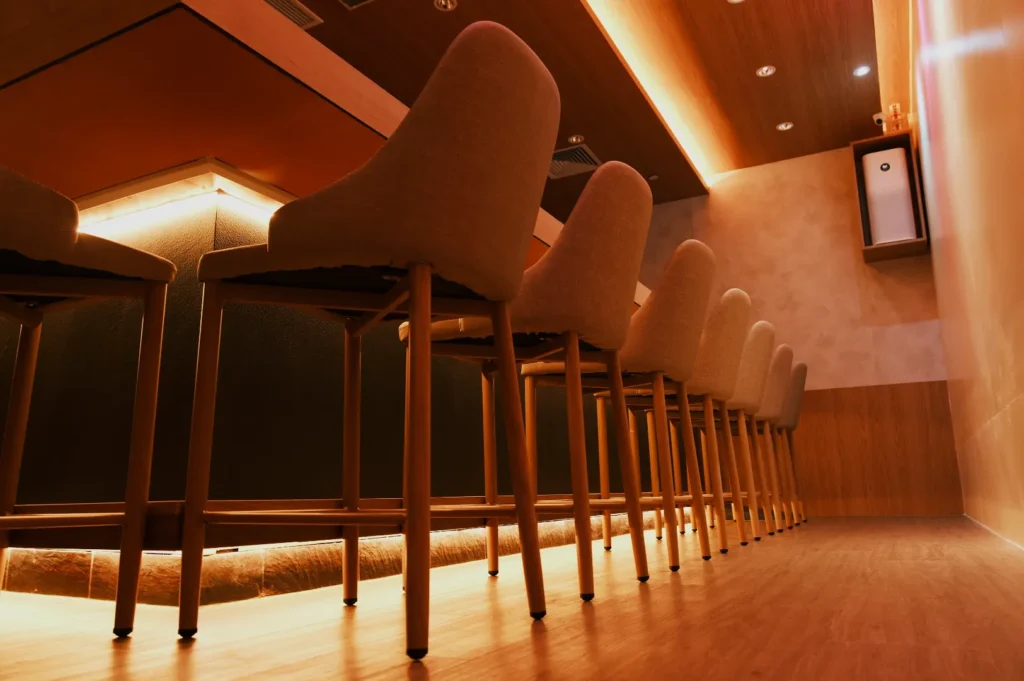
A small counter asks something different of a chef. With only eight guests, there is nowhere to hide and no margin for the careless. Every piece will be seen. Every gesture will be watched from an arm’s length away. The episode shows how this intimacy shapes the way Chef Masa prepares, each element considered not for a crowd, but for the few who will sit before him that night.
This closeness is the heart of the omakase form. The preparation is not a performance for the camera; it is the same quiet focus that carries into service. What guests experience as calm and ease is the result of order established hours earlier, when the room was empty and the concentration was absolute.
The Meaning Behind the Counter
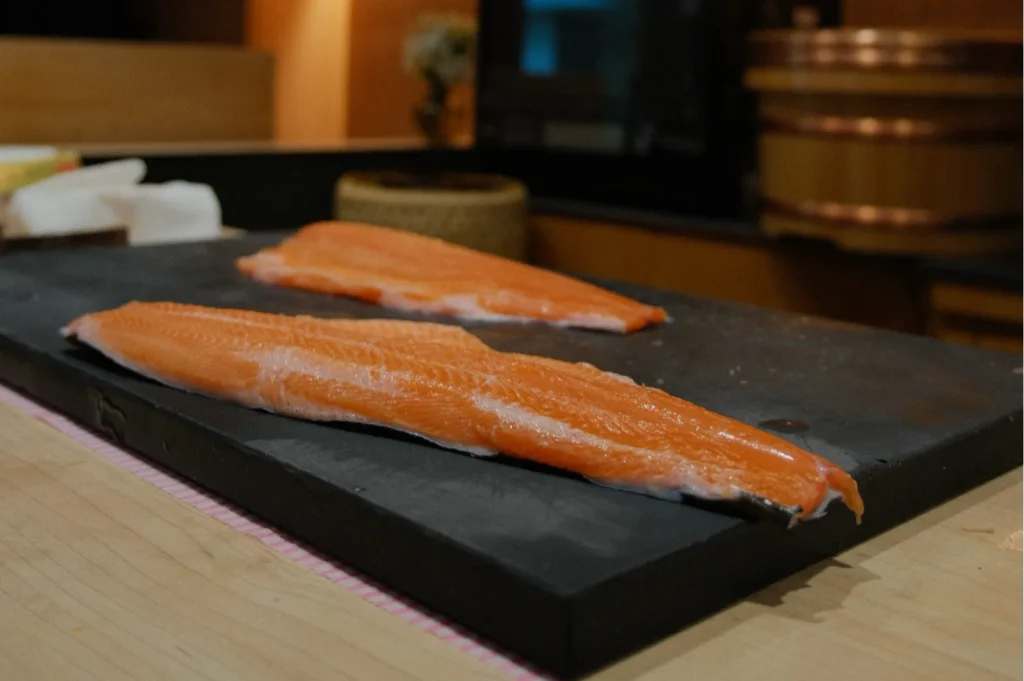
This episode sets out what Behind the Counter was made to show. Beyond the finished plate lies a world of routine, decision, and care that most guests never witness. Chef Masa does not travel or observe here. He simply works, and in that working we begin to understand him.
Behind the Counter follows these moments not to advertise, but to reveal the person and the practice that give Sushi Masa its stillness. To see the preparation is to understand the trust the evening asks of you.