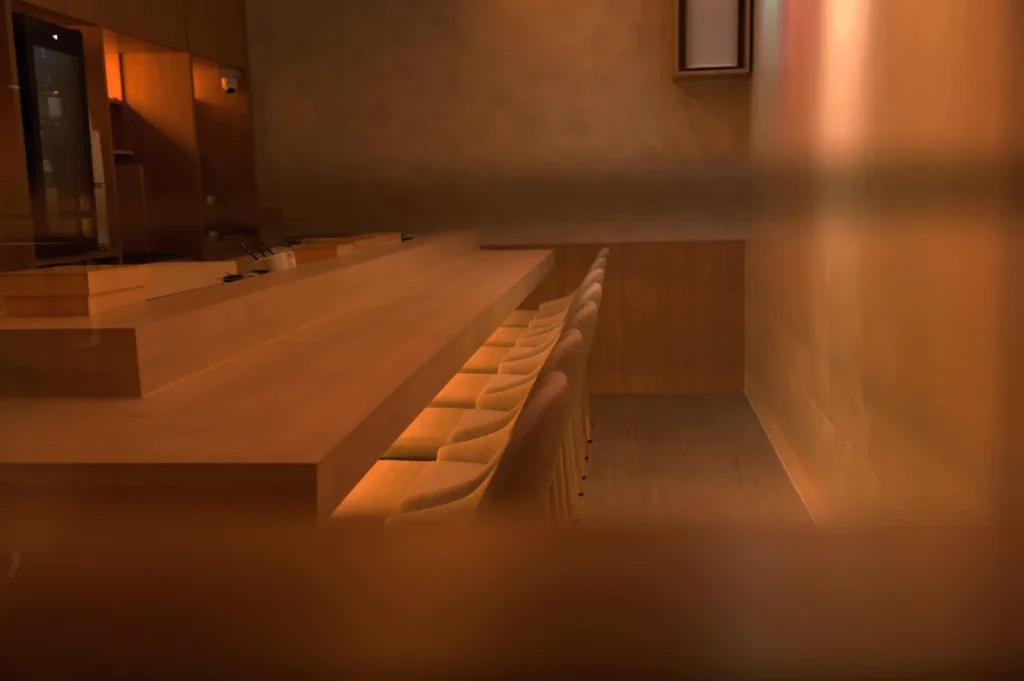
Every city has its rush hours, and restaurants have theirs too. Some nights the room hums with celebrations and overlapping conversation. On others, the pace slows, the lighting feels softer, and every dish arrives at exactly the right moment.
At Sushi Masa by Ki-Setsu, we have come to love those calmer evenings. Omakase is a meal built on rhythm and attention, and it rewards a quieter setting. Here is how to find the quietest nights at a restaurant, and why they suit the way we serve.
Why the Quietest Nights at a Restaurant Are Worth Seeking Out
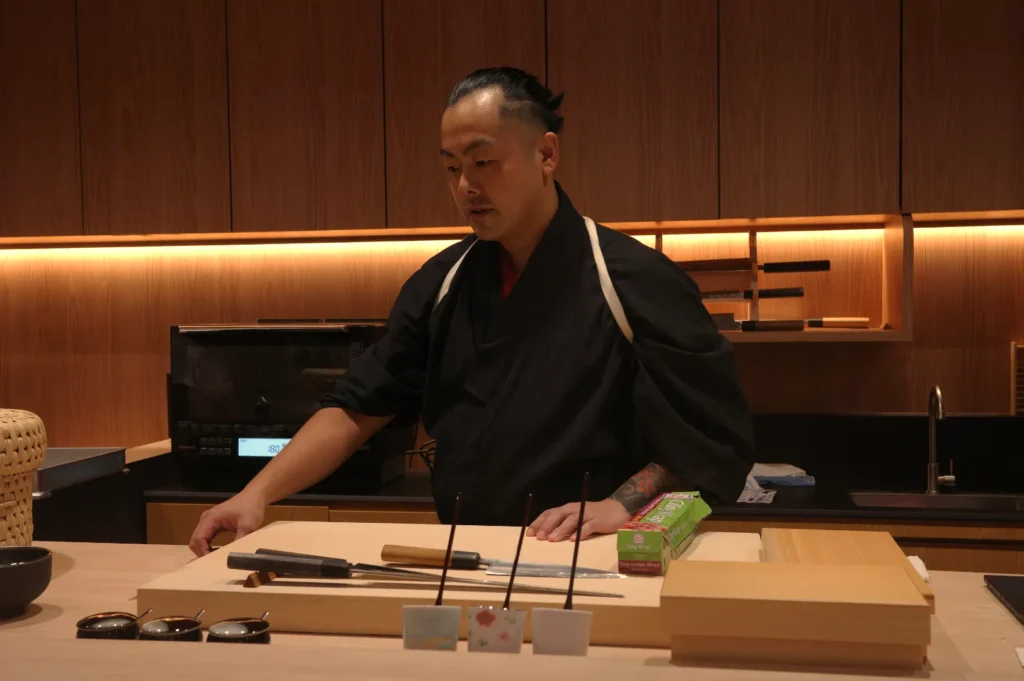
A good meal is more than what lands on the plate. The atmosphere around the table shapes how much you taste, how long you linger, and how well you connect with the people beside you.
On a busy night, a kitchen works at full stretch. That suits a quick round of snacks with friends, but a slower evening offers something different. Service feels unhurried, and you can hear the person across from you without leaning in.
For diners who value good food and good company, a calm night is a genuine luxury. It gives you space to notice the details: the sheen on a slice of fish, the warmth of freshly seasoned rice, the quiet confidence of Chef Masa’s knife work. Great food deserves that kind of attention, and a relaxed room lets you give it.
Reading the Rhythm of a Dining Room
Every dining room has a pattern. Once you learn to read it, finding quiet restaurants becomes far easier. Most eateries follow a similar weekly rhythm, though the pace can differ quite a bit. A woody, family-style setting, a floral themed room and an evening centred on wine each draw a different crowd, and a place serving hearty plates such as duck confit tagliatelle may fill early. Whether a menu is known for Peranakan dishes or for delicate nigiri, the principle is the same: learn its rhythm before you book.
Time of Week | Typical Atmosphere | Best Suited For |
|---|---|---|
Early Week Evenings | Calm, Relaxed, Fewer Walk-Ins | Unhurried Dinners, First Visits |
Midweek Evenings | Steady, Moderate Energy | Small Groups, Catching Up With Friends |
Fridays and Weekends | Busy, Lively, Full Tables | Celebrations, Larger Gatherings |
Post-Holiday Evenings | Often Noticeably Quieter | Restful, Reflective Meals |
This is a general guide rather than a rule. A neighbourhood event or a public holiday can change everything, and weekends in a busy city tend to fill quickly. It always helps to ask the restaurant directly how the night is likely to feel, especially on weekdays when the rhythm can be more predictable.
Listen for the Sound of the Room
If you have visited before, recall how the room sounded. Was the music low, or did it compete with conversation? A venue that keeps its sound gentle usually attracts guests who come to savour rather than rush. Friends who have dined there can also tell you what they heard, and how easily they could talk.
Signs That Point to Quiet Restaurants
Not every calm restaurant is quiet by accident. Often it is by design. A few features reveal a place where the evening will unfold slowly:
A Small, Intimate Dining Room. Fewer seats mean fewer voices and more attentive hospitality.
Softly Lit Interiors. Gentle lighting creates a cozy ambience and encourages guests to lower their voices without being asked.
Reservation-Led Seating. When guests arrive at set times, the room fills gradually instead of in waves.
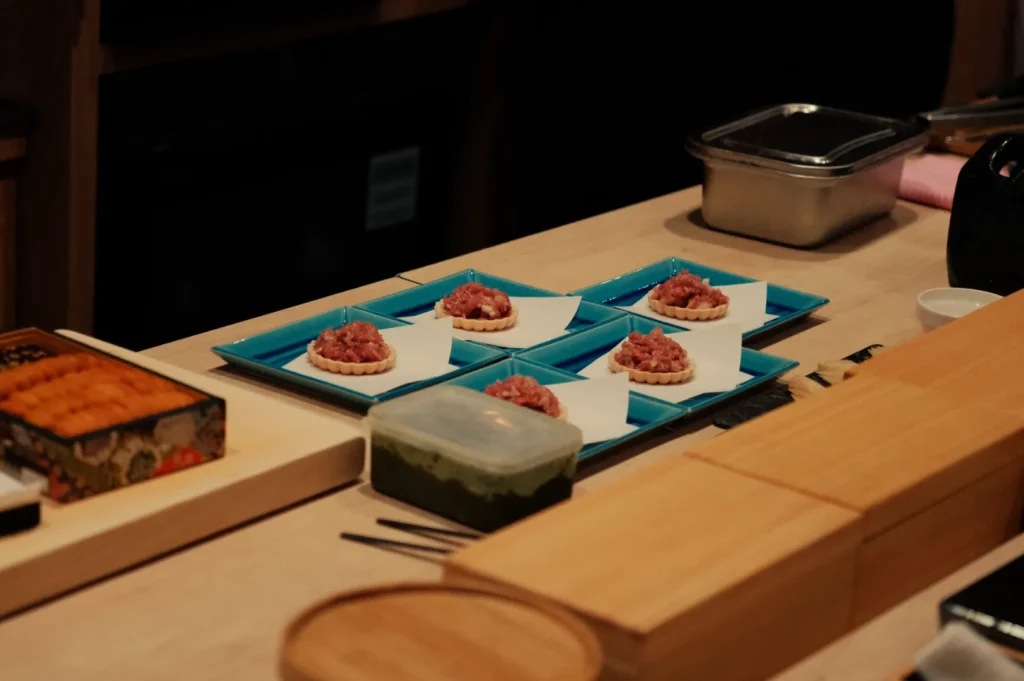
A Single, Focused Menu. Unlike an extensive menu with dozens of choices, one carefully considered menu keeps the pace steady and the kitchen calm.
Minimal Background Music. Where music exists, it should support the meal, not lead it.
Warm Service. Attentive staff who read the table without hovering are a sure sign of a settled evening.
When several of these signs appear together, you are likely looking at one of those hidden gems that locals guard closely, often tucked away in a quiet residential estate rather than along a busy stretch like Orchard Road. The best ones are rarely loud about themselves.
Why Quiet Evenings Suit Omakase
Omakase means “I leave it to you,” and it describes a relationship built on trust. Guests place their evening in the hands of the chef, and the chef responds with a course shaped by what is finest that day.
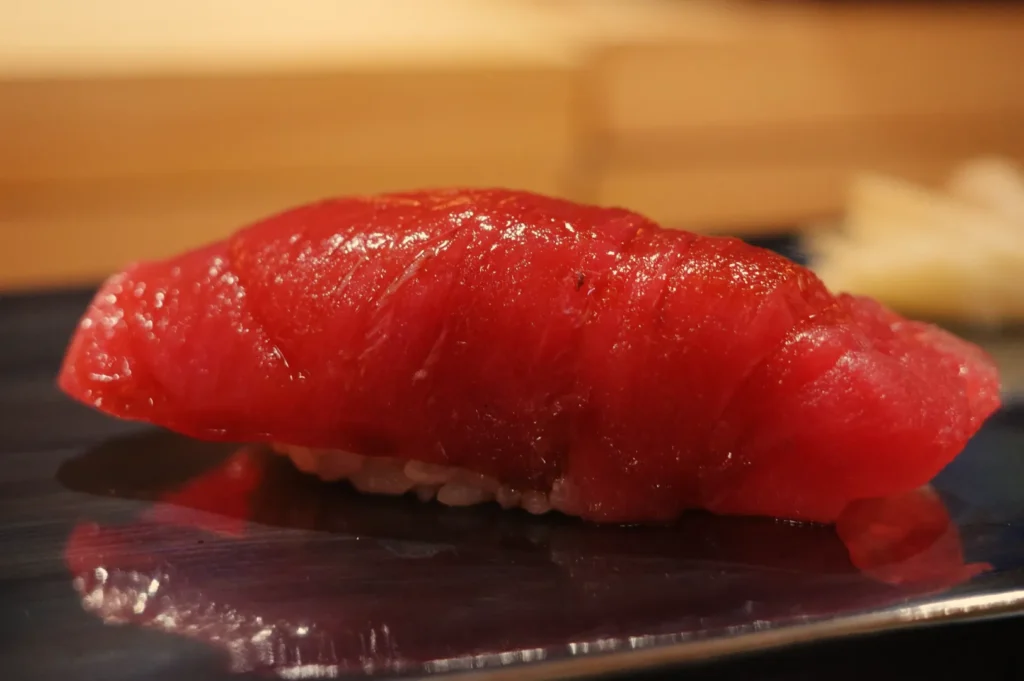
That relationship depends on attention. At Sushi Masa by Ki-Setsu, Chef Masa prepares each piece and presents it at its peak. Nigiri is best enjoyed within moments of being served, while the rice is still gently warm and the fish has just met the vinegared grain. A quiet room lets you give that moment your full focus.
Omakase is also a paced experience. Among the menu features we care about most is the order of the course, with lighter flavours giving way to richer ones. When the room is calm, that progression is easy to follow. You can sense the story of the meal, from the first delicate dish to the final sweet note of dessert.
A Dinner-Only Rhythm
We serve dinner only, and we do so by design. The evening is when the day slows and guests are ready to settle in. It suits a meal that asks you to sit back, listen, and enjoy without checking the time. If you are looking for an ideal spot to end a long day, this is the pace we offer.
Edomae Craft Deserves a Calm Room
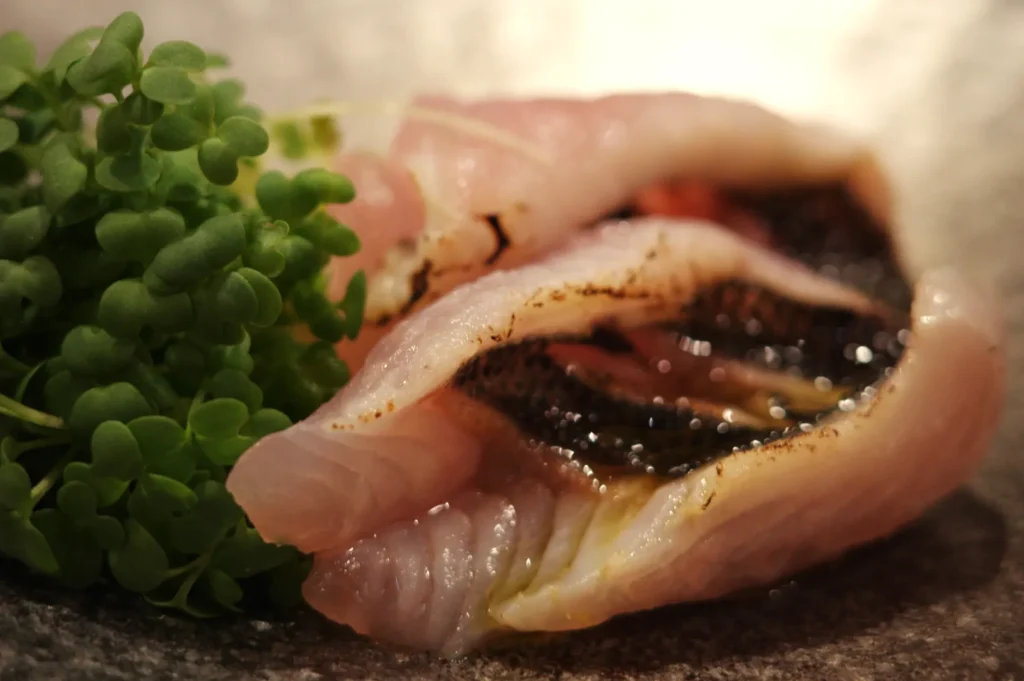
Our cooking follows the Edomae tradition, which began in old Edo, now Tokyo. Before refrigeration, sushi makers relied on technique to make fish taste its best. They cured, marinated, and aged their ingredients to bring out depth and balance.
That heritage still guides our kitchen. Chef Masa uses these methods to cook, cure, and shape each piece, so that it tastes complete with only a brush of soy or a touch of gently spicy wasabi. The subtle balance of sweetness, acidity, and umami is easy to miss in a noisy setting. In a calm one, it becomes the whole point of the evening.
Sourcing matters just as much. Our seafood arrives from Toyosu, Tokyo’s renowned market, chosen for freshness and character. Seasonal ingredients guide what appears in the course, so no two visits taste exactly alike. Menus elsewhere may be built around steak and grilled meats, or ingredients from local farms. Ours is purely seafood-based, so the savoury dishes lean on natural umami rather than heavy sauces, and the sea speaks clearly without distraction.
To us, a unique dining experience is not spectacle but care. Every element, from the temperature of the rice to the timing of each course, is considered, and that care is easiest to appreciate when the house is quiet.
Discovering New Dishes When the Room Is Calm
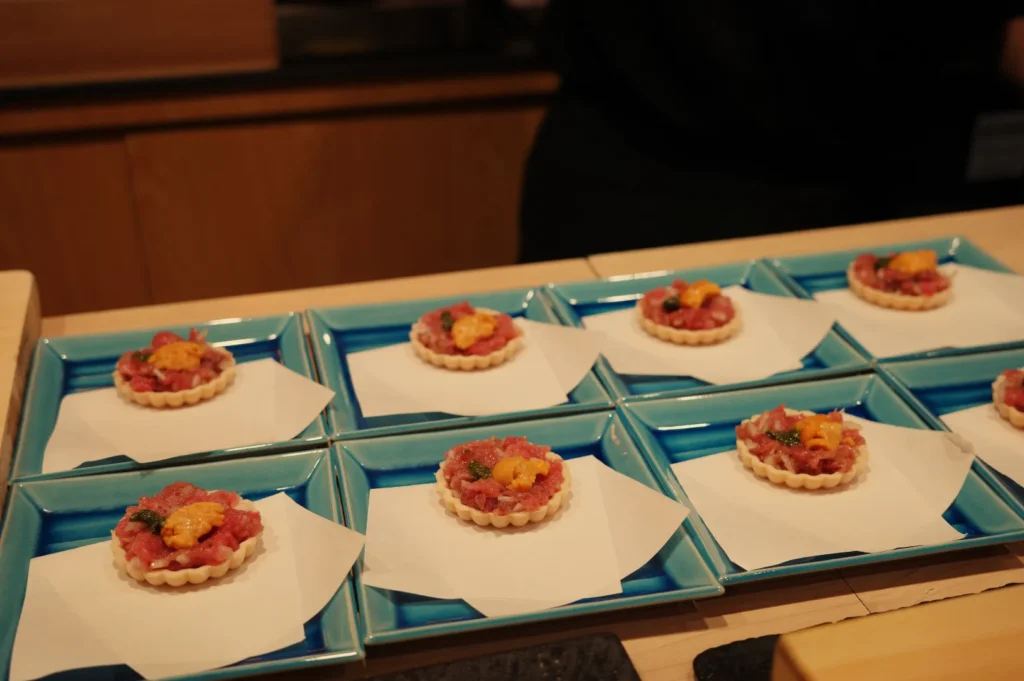
Quiet evenings are ideal for trying new dishes. When the pace is gentle, you feel more comfortable asking questions, and Chef Masa is happy to share the story behind each piece.
You might learn why a particular fish is aged for a day or two to deepen its sweetness. You might hear why one variety is lightly cured while another is served simply, with nothing but a hint of citrus or salt. These small explanations turn a meal into a small education, and they are far easier to offer and absorb when the room is settled.
Omakase is a wonderful format for the curious diner. You do not need to guess which fish is which, or memorise the finer points of sushi etiquette. You simply arrive with an open mind, and the course introduces each ingredient at its best. Simple drinks that do not compete with delicate flavours suit it well.
A Few Things Worth Noticing
The Rice. Seasoned with care, it should be balanced, with each grain distinct.
The Knife Work. Cuts are shaped to suit the texture of each fish.
The Progression. Light, clean flavours often open the meal, with richer ones arriving later.
The Finish. A well-composed course ends softly, leaving you satisfied rather than heavy.
Planning a Date Night or an Evening with Good Company
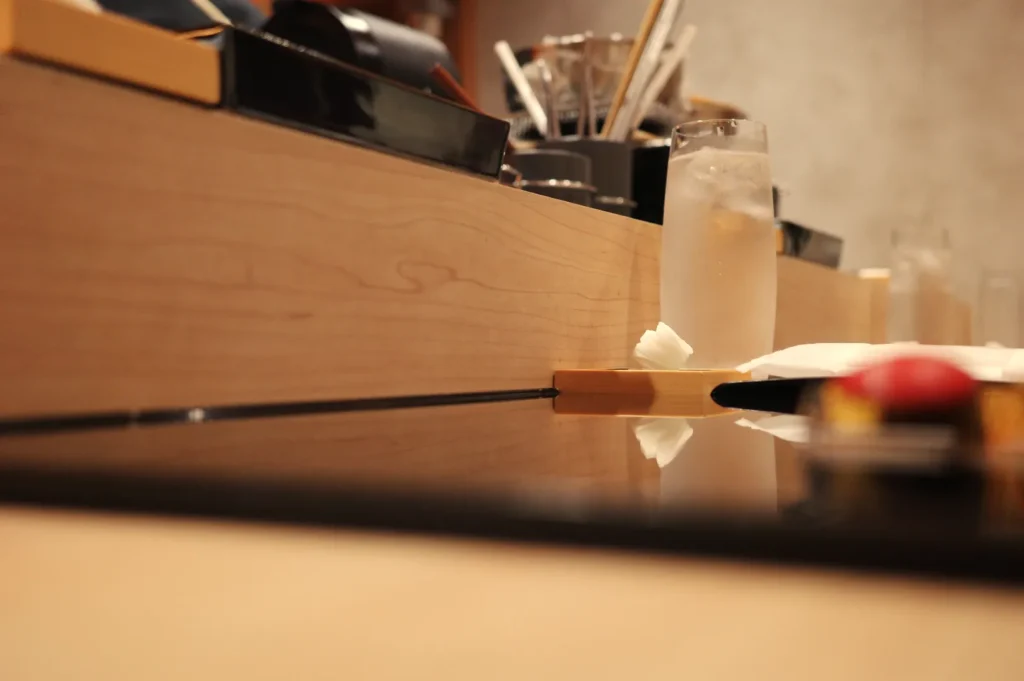
A quiet restaurant is a natural choice for a date night. Conversation flows more easily when you are not competing with noise, and a slower pace gives the two of you room to enjoy the moment. Whether it is a first date or an anniversary, a calm room makes it a great spot for it.
It works just as well for a small gathering of friends. Omakase is a shared experience: everyone at the table receives the same carefully paced course, and you find yourselves talking about each dish together. It is a gentle, memorable way to reconnect.
Families are welcome too. Bringing parents to an intimate omakase can be a thoughtful gesture, especially for those who appreciate refined, unhurried dining. If anyone at your table has dietary needs, let us know when you reserve so that we can prepare accordingly.
To make the most of your night, a few simple tips help:
Book Ahead. Omakase is prepared with a specific number of guests in mind, so reservations matter.
Arrive on Time. The course begins together, and punctuality lets you enjoy every stage.
Choose a Calmer Evening. Ask about the quieter nights, particularly early in the week, rather than weekends.
Let the Chef Guide You. Trust is the heart of omakase, and it is where the best surprises come from.
Take Your Time. There is no need to rush. Good food is meant to be savoured, and the rest of the evening is yours.
Finding Calm, One Evening at a Time
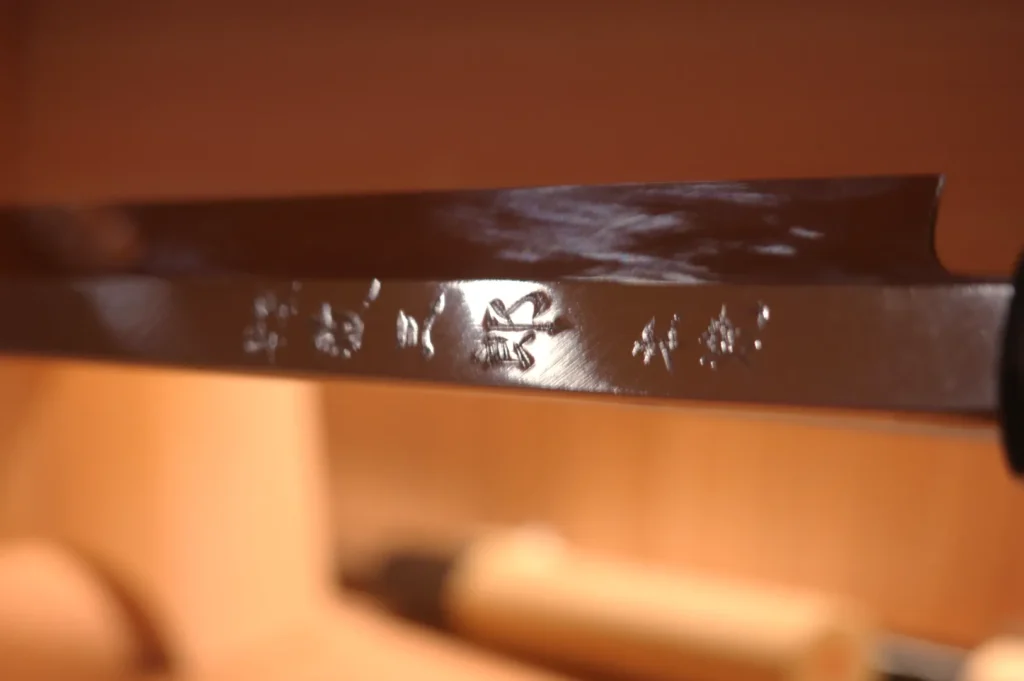
The quietest nights at a restaurant are not simply about avoiding crowds. They are about creating room to enjoy a meal fully, with all your senses and with the people who matter to you.
Omakase belongs to that kind of evening. It is patient, personal, and shaped by craft, from Edomae technique to Toyosu-sourced seafood and the steady hand of Chef Masa. When the room is calm, every detail comes into focus.
We would be delighted to welcome you to Sushi Masa by Ki-Setsu for an unhurried dinner. Ask us about the quieter evenings when you reserve, and let us take care of the rest.