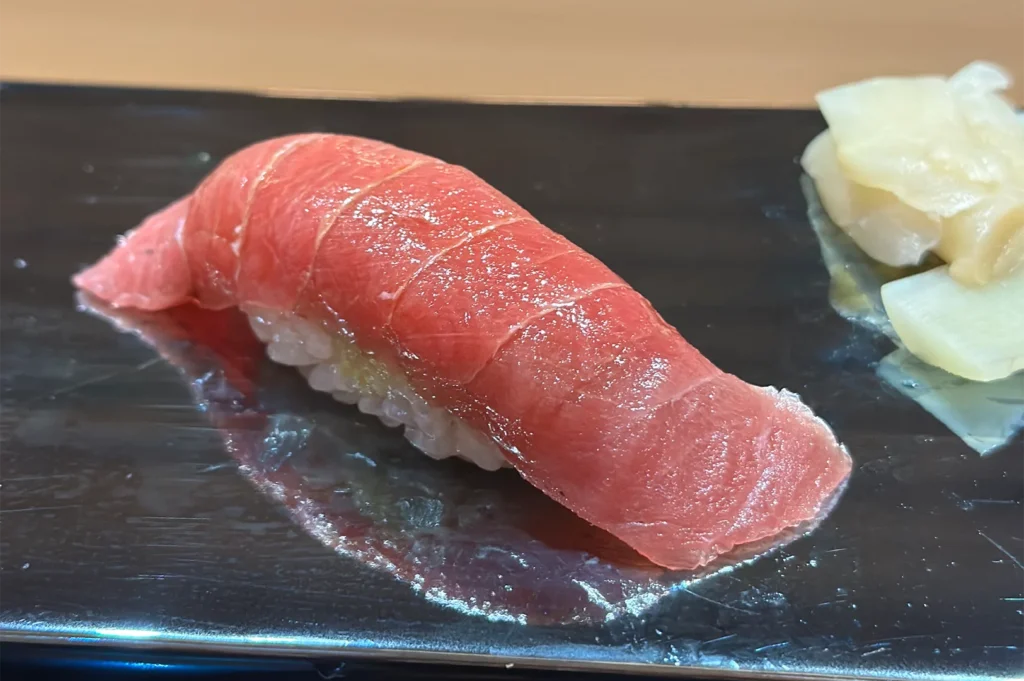
The world of Japanese sushi is vast and multifaceted, yet a memorable dining experience lies in the meticulous details often overlooked. At Sushi Masa by Ki-Setsu, rare sushi is defined by strict adherence to time-honoured techniques and sourcing the finest ocean ingredients. Every grain of rice and slice of fresh fish is treated with obsessive care, embodying the essence of traditional Japanese sushi.
Unlike many restaurants focused on volume or presentation, Sushi Masa honours the Edomae tradition, a Tokyo-born style elevating raw fish preparation to high art. This approach transforms simple nigiri into a complex narrative of seasonal transition and culinary mastery, emphasizing balance in temperature, texture, and acidity rather than gimmicks or trends.
Identifying Good Sushi Through the Integrity of Vinegared Rice
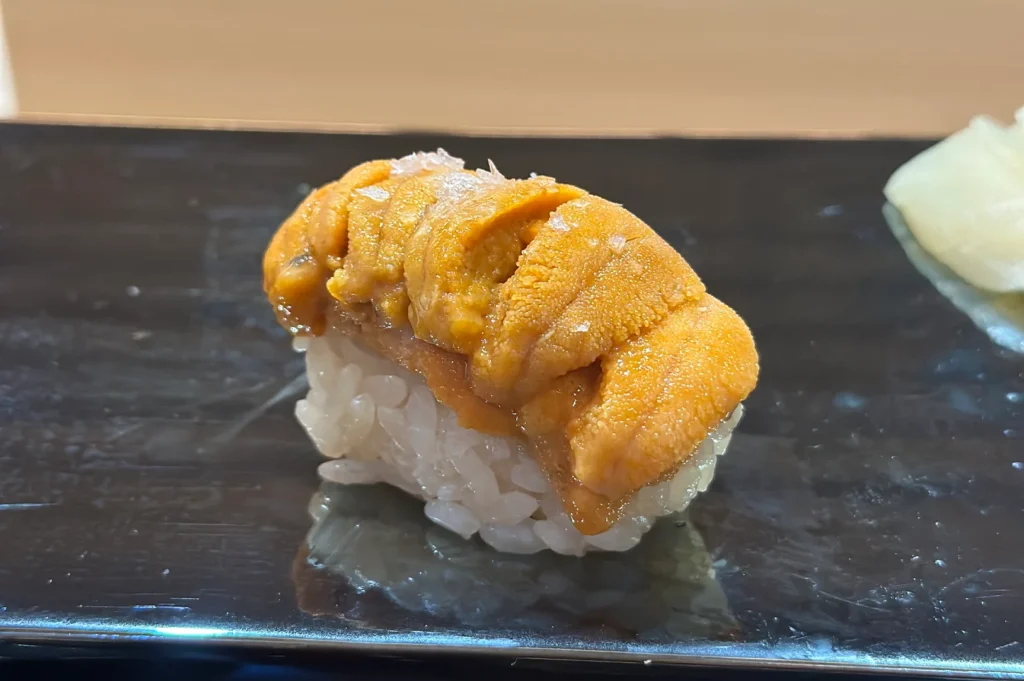
To understand what constitutes good sushi, one must look past the topping and focus on the foundation: the sushi rice.
In the realm of high-end Japanese cuisine, the rice is not merely a vehicle for the fish. It is the soul of the dish. Our rice is prepared using a specific blend of vinegars, creating what is known as vinegared rice or shari. The goal is to achieve a delicate balance where the acidity cuts through the richness of fatty tuna while the subtle sweetness enhances the natural flavours of the seafood.
Unlike the fermented rice used in ancient times for preservation, modern sushi rice must be served at a temperature close to that of the human body. This ensures that the oils in the fresh fish begin to melt the moment the nigiri sushi touches the tongue. Many best Japanese restaurants around the world are judged primarily on their shari. If the rice is too cold, too packed, or lacks the necessary vinegar punch, the harmony is lost.
At Sushi Masa by Ki-Setsu, Chef Masa ensures that each grain is distinct and polished, providing a structural integrity that collapses perfectly upon the first bite. This level of detail is rarely found in affordable sushi establishments where machines or less experienced hands handle the delicate grain.
The Mastery of Fresh Seafood and the Seasonal Menu
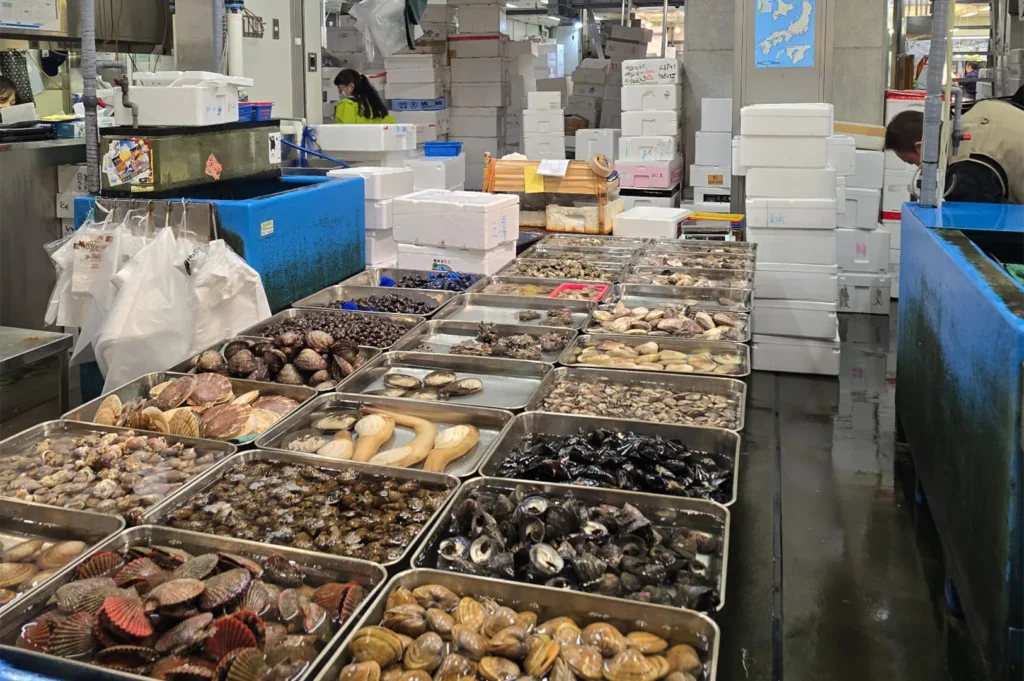
A truly rare Japanese restaurant experience is one where the seasonal menu dictates the evening. We do not rely on a static list of popular dishes that remain the same year-round. Instead, we look to the Toyosu Market to see what is at its peak. This might mean the arrival of specific types of sushi like sea urchin from Hokkaido during its prime or the inclusion of medium fatty tuna when the fat content is perfectly marbled.
Our fresh seafood is flown in multiple times a week to ensure that the fresh sashimi we serve is of the highest possible grade. We avoid the common pitfalls of many Japanese restaurants that use frozen stock or common species found in any supermarket. Our focus remains on the rare and the exquisite.
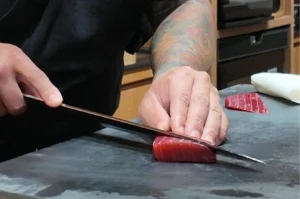
When Chef Masa prepares a piece of nigiri, he is not just slicing fish; he is performing a ritual of respect for the ingredient. This dedication to fresh ingredients is what allows us to serve raw fish that requires no masking with heavy sauces or unnecessary garnishes.
The Nuances of Fresh Sushi and Edomae Techniques
When guests search for fresh sushi, they are often looking for the bright, clean flavours of the sea. However, in the Edomae tradition, “freshness” also involves the art of aging. Certain types of tuna or white fish develop a deeper umami when rested for several days under precise conditions.
This is a detail that separates best Japanese restaurants from standard ones. While a cheap sushi kiosk might prioritise fish that was caught yesterday, Chef Masa understands that a piece of fatty tuna reaches its potential only after the proteins have begun to break down into amino acids.
Ageing: Enhancing the natural umami of the fish through controlled resting.
Curing: Using salt or kelp (kobujime) to draw out moisture and intensify flavour.
Marinating: Using soy-based liquids to add depth to silver-skinned fish.
Temperature control: Ensuring the fish is not too cold, which numbs the palate.
Understanding the Different Types of Sushi and Their Origins
Sushi is a diverse and evolving culinary art form that reflects Japan’s rich cultural heritage. From the classic hand-pressed nigiri to regional specialties and modern innovations, each type of sushi tells a story of tradition, technique, and local flavors.
Nigiri Sushi
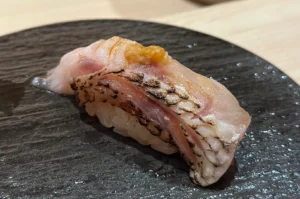
Nigiri sushi features hand-pressed vinegared rice topped with fresh seafood. Originating in Edo (modern Tokyo) during the 1820s-1830s, it is credited to chef Hanaya Yohei. This style emphasizes simplicity and freshness.
Oshizushi (Pressed Sushi)
Oshizushi comes from Osaka and is made by pressing fish onto sushi rice using a wooden mold to form compact blocks. This method creates a firm, rectangular sushi piece with a distinctive texture. It is often enjoyed as a regional specialty.
Makizushi (Rolled Sushi)
Makizushi consists of sushi rice and various fillings rolled inside sheets of nori seaweed. It includes subtypes such as hosomaki (thin rolls), futomaki (thick rolls), and temaki (hand rolls). This versatile sushi is popular for its variety and portability.
Chirashizushi (Scattered Sushi)
Chirashizushi is a bowl of vinegared rice topped with assorted raw fish, vegetables, and garnishes. It is often served as a celebratory dish due to its colorful and abundant presentation. This style is both visually appealing and flavorful.
Gunkan Maki (Battleship Sushi)
Gunkan maki features oval-shaped sushi rice wrapped with nori to form a vessel that holds loose or finely chopped toppings like sea urchin or salmon roe. Its unique shape allows for delicate ingredients to be served securely. This type is popular for soft or granular toppings.
Inarizushi
Inarizushi consists of sushi rice stuffed into pockets of sweet deep-fried tofu called aburaage. It is commonly served as a side dish or included in bento boxes. The sweet and savory flavor makes it a comforting and accessible sushi choice.
Temaki (Hand Roll)
Temaki sushi is cone-shaped and filled with sushi rice, seafood, and vegetables. It is eaten by hand and prized for its casual, easy-to-eat format. This style allows for creative ingredient combinations.
Uramaki (Inside-Out Roll)
Uramaki is a Western-style sushi roll with rice on the outside and nori wrapped inside around the fillings. The California roll is a famous example. This style was designed to appeal to Western palates by hiding the seaweed.
Narezushi (Fermented Sushi)
Narezushi is the oldest form of sushi, involving fish fermented with rice for preservation. This traditional method dates back over 1,000 years in Japan. It represents the historical roots of sushi before the modern vinegared rice style.
Sasa Sushi
Sasa sushi is a rustic regional style from Niigata and Nagano prefectures. It features sushi rice and wild vegetables served on bamboo leaves, showcasing local ingredients. This style highlights simplicity and connection to nature.
The Essential Role of Soup and Sequence in a Meal
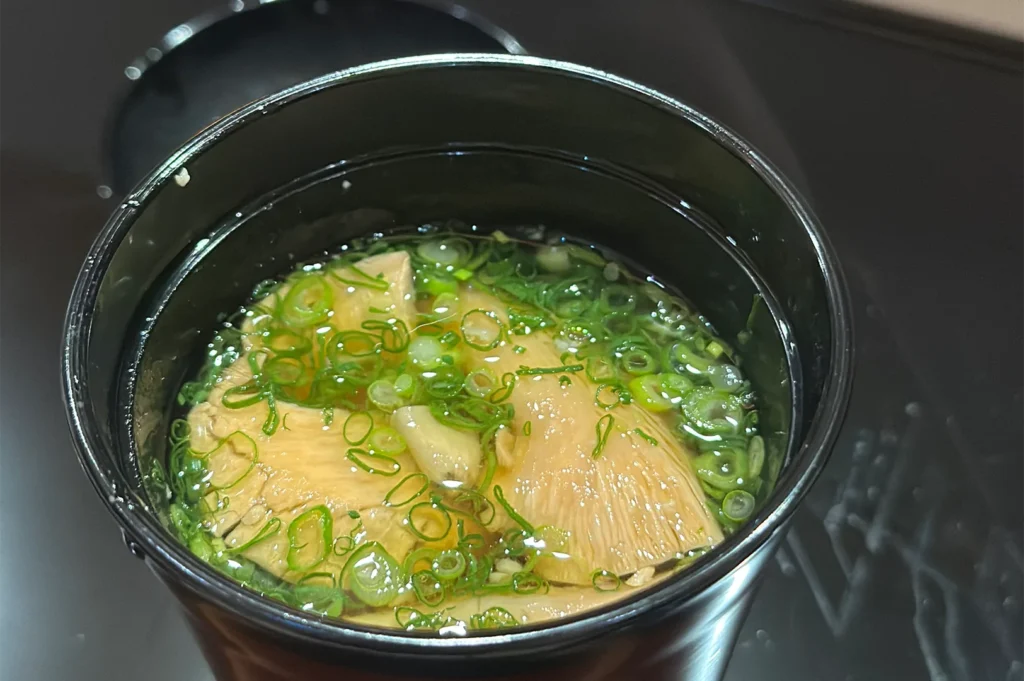
A complete Japanese food experience is about the progression of flavours. At our sanctuary, we begin with a light dashi soup to prepare the stomach, reserving miso soup with clams for the meal’s rich, briny finish.
This traditional sequence enhances the delicate sashimi experience. Unlike many busy Japanese restaurants where soup and sushi arrive together, our omakase model allows the meal to flow at Chef Masa’s pace, guiding diners from lean fish to fatty tuna, ending with comforting soup and sake.
Why Intimacy Matters in a Sushi Restaurant
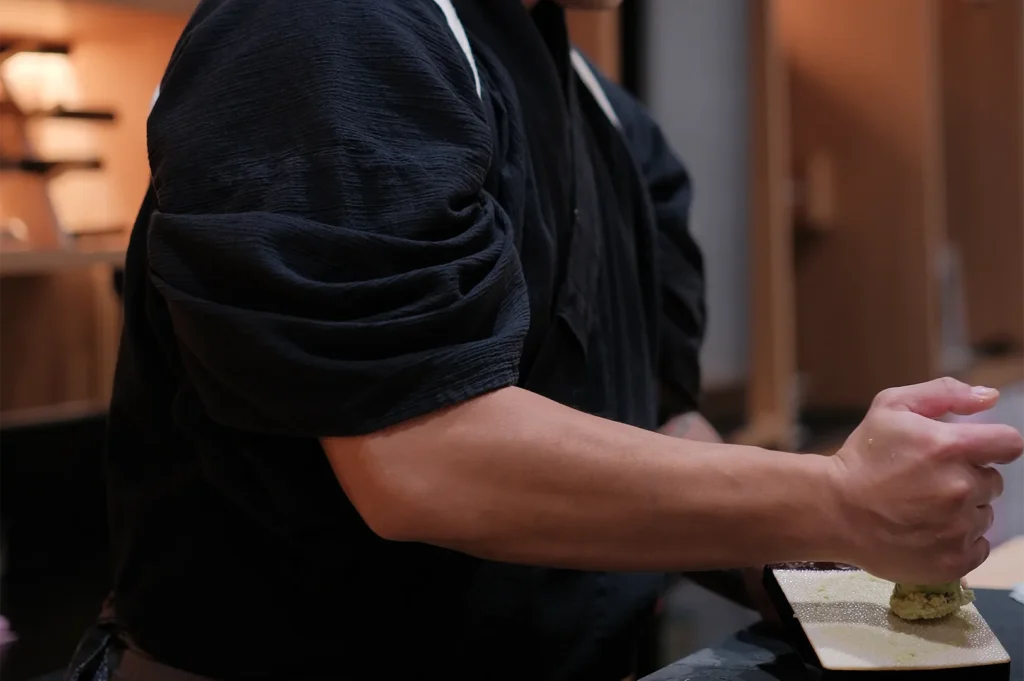
The physical location of a sushi restaurant can influence its atmosphere, but the true intimacy comes from the interaction with the chef. Whether a restaurant is located in Holland Village, One Holland Village, or Thomson Plaza, the quality is ultimately determined by the hands behind the counter.
At Sushi Masa by Ki-Setsu, we have chosen Cuppage Plaza as our location specifically to foster a more intimate dining experience. This setting allows us to maintain a close connection between Chef Masa and each guest, ensuring that every piece of nigiri sushi is crafted with the utmost expertise and intention.
Many best sushi restaurants in Japan are tiny, unassuming spaces where the focus is entirely on the food. We bring that same philosophy to our space. By limiting our opening hours to dinner only, we allow Chef Masa the time needed for the meticulous preparation of quality ingredients.
Singular Focus: No meat like chicken or pork, only the best from the sea.
No Gimmicks: We do not serve “overflowing” dishes that prioritise photos over flavour.
Authenticity: A dedication to the Edomae style that is increasingly rare.
Exclusivity: A limited number of seats to ensure a bespoke experience for every guest.
The Rare Standard of Sushi Masa by Ki-Setsu
In the search for the best Japanese restaurants, it is easy to be swayed by famous names or convenient locations. However, the truly rare Japanese sushi experience is found in the details: the temperature of the sushi rice, the provenance of the fresh fish, and the singular vision of a master like Chef Masa. We invite you to move beyond the ordinary and discover the profound beauty of a meal where nothing is left to chance.
At Sushi Masa by Ki-Setsu, we do not just serve food; we share a piece of Japanese heritage. Our omakase menu is a carefully curated journey through the best that the sea has to offer, stripped of the distractions of tempura, meat, or modern culinary gimmicks. It is an invitation to eat with intention and to appreciate the mastery required to create something seemingly simple yet infinitely complex.