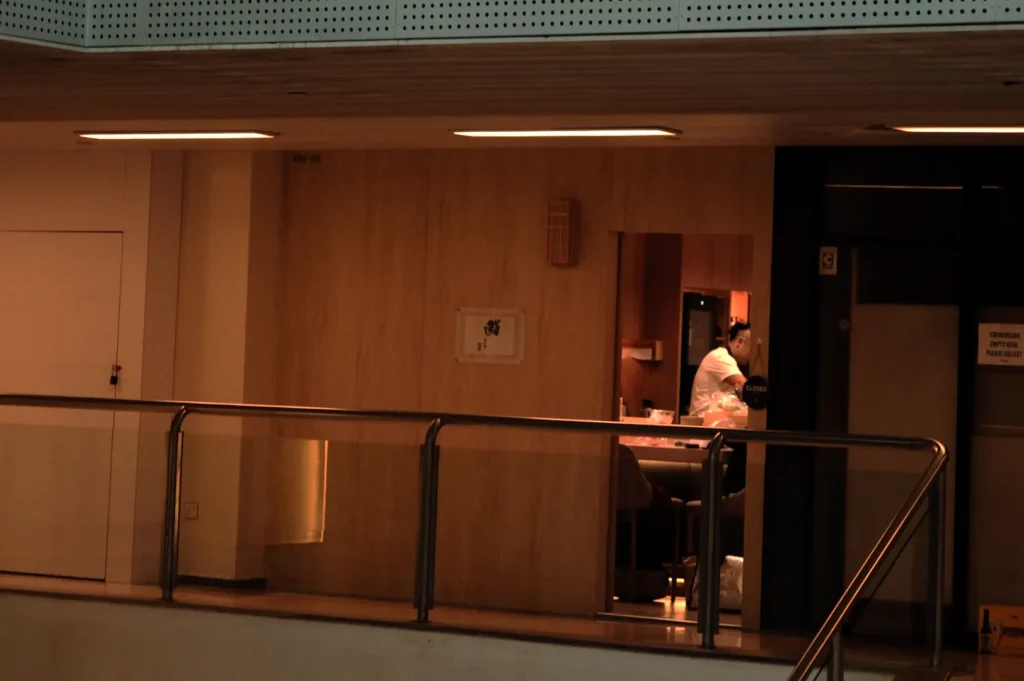
In cities like Tokyo, Paris and across the great dining capitals of Europe, the hardest restaurant reservations to secure often belong to the smallest rooms, not the grandest ones. A large dining hall with two hundred covers can usually find a table for a walk in guest with a week’s notice. An eight seat counter, tucked behind an unassuming door, cannot.
This is not an accident of poor planning, nor a trick to manufacture demand around a city’s most talked about address. The same holds true in Singapore, where those searching for the best omakase Singapore has to offer often find that the smallest counters are the hardest to book. Reservation difficulty at an intimate restaurant is, more often than not, the direct result of a decision to prioritise quality over quantity.
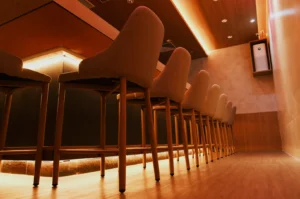
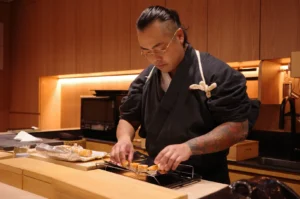
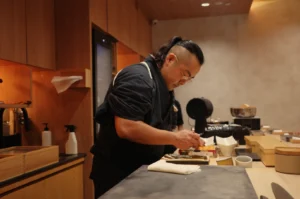
At Sushi Masa by Ki-Setsu, an eight seat Edomae sushi counter, that decision shapes every part of the evening, from how many guests Chef Masa can serve on a given night to how far in advance a booking should be made.
Why the Hardest Restaurant Reservations Belong to the Smallest Rooms
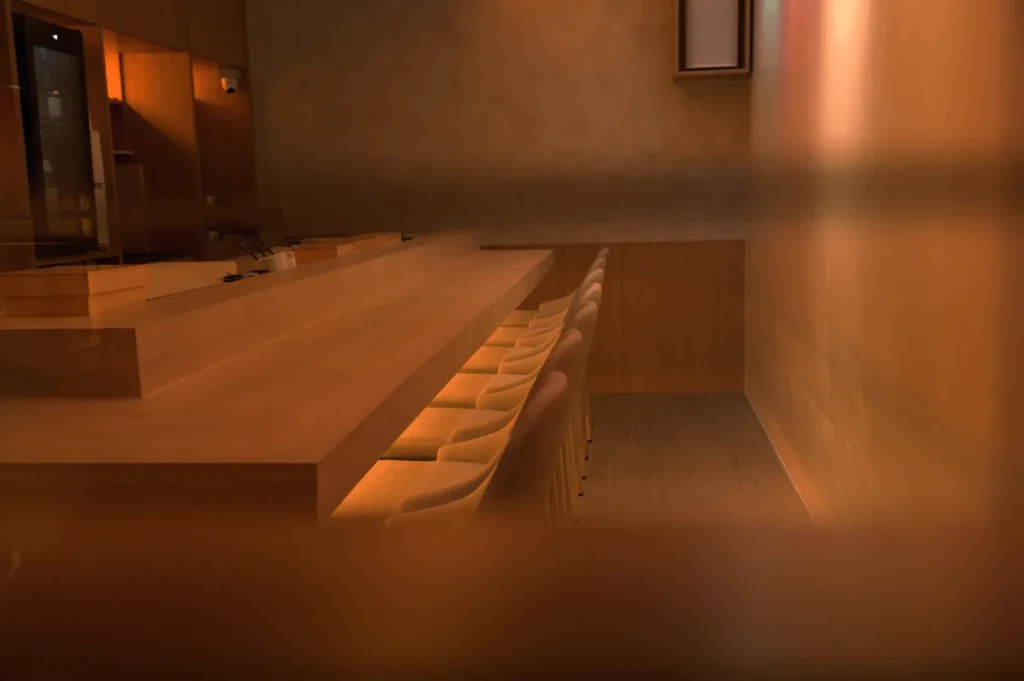
Across the world’s most sought after restaurants, reservation difficulty has become its own kind of language, one that a hotel concierge, a frequent traveller, or a dedicated food lover learns to read fluently. In Tokyo and Paris alike, establishments awarded three stars by Michelin and small, chef led counters release their booking calendars months ahead, and by the time most visitors think to plan a trip, availability for a particular date has already gone, sometimes feeling almost impossible to secure. August and April, both peak seasons for travel through Japan and Europe, are often when calendars fill fastest of all, disappearing as frequently and as quickly as tickets to a sold out show.
Whether the meal in question is a set of lunch reservations at a bistro elsewhere or an evening dinner at a counter, this particular pattern of luxury dining tends to repeat itself. A business dinner arranged a week out, or one of many evening meals booked on a whim, may work at a restaurant with more tables to spare. At a counter built around a single chef and a handful of seats, the maths simply does not allow for the same flexibility.
Pop ups and the Rise of Small Format Dining
This is not unique to sushi. Pop ups with a two week run, tasting menus with a single seating a night, tiny wine bars with four stools: across many cuisines and many cities, small format dining has grown more common, and with it, reservation difficulty has become an accepted, even expected, part of the experience. As mentioned in most dining circles today, guests who once measured a restaurant’s reputation by its size have learned that a modest room, prepared with care, often delivers the more memorable meal, and better value for money than a larger room ever could.
Why an Eight Seat Room Cannot Compromise
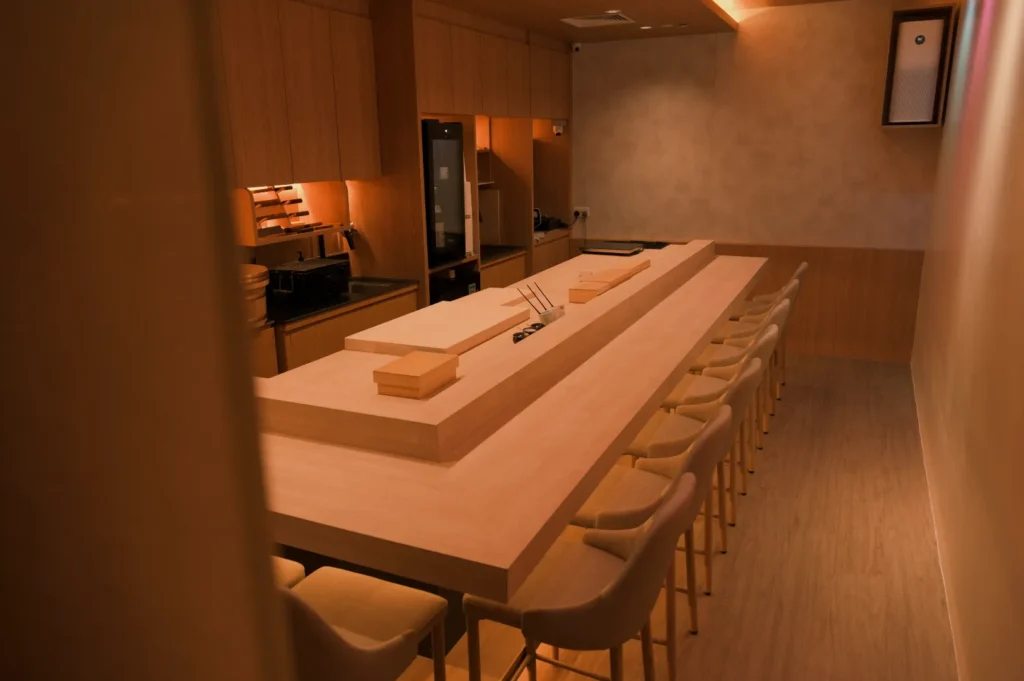
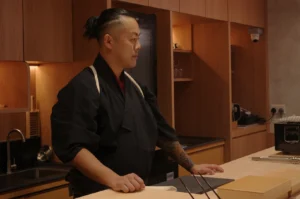
At Sushi Masa by Ki-Setsu, the eight seat counter is not a limitation to apologise for. It is the format that allows Chef Masa to give a level of attention that a larger dining room could not sustain. Each piece of nigiri is formed to order, tasted, and served within moments, timed to the temperature of the rice and the texture of the fish. Multiply that attention across thirty or forty guests a night, and the craft begins to erode. Keep it to eight, and every person at the counter receives the same unhurried focus, from the first course to the last.
The ingredients that arrive each day are sourced fresh from Toyosu Market, the world’s largest fish market and the beating heart of Tokyo’s seafood trade. This daily sourcing means the menu is never fixed months in advance. It follows the season, the catch, and Chef Masa’s own judgement about what deserves a place at the counter that evening. It is a purely seafood forward menu, one that leaves meat out entirely in favour of the full range of what the ocean offers, from delicate white fish to richer cuts like otoro and the briny sweetness of sea urchin.
The Counter as a Stage
There is a reason the counter, rather than a private table, sits at the centre of the Edomae tradition. Guests do not simply eat a meal that has already been decided; they watch it come together, course by course, close enough to see the knife work and the small adjustments Chef Masa makes to each piece before it is placed down. That proximity is part of what makes the room feel intimate rather than transactional, and part of why the space can only ever hold so many people at once.
Reservation Strategy for the Determined Guest
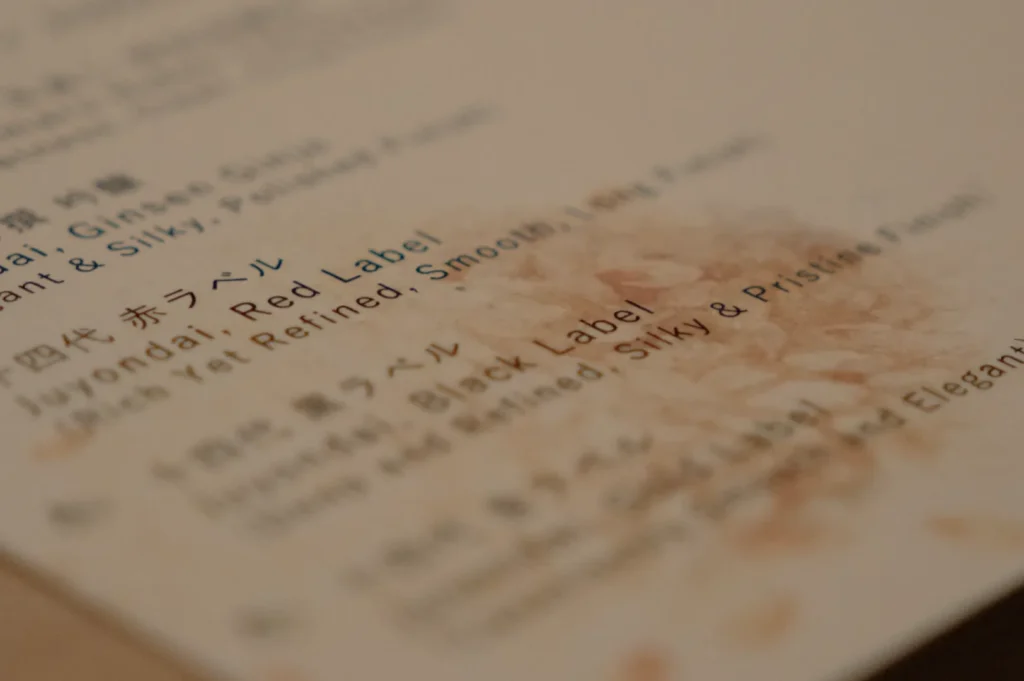
Given how tightly the room is held, a thoughtful reservation strategy matters more than luck. Visitors planning a trip around a meal, whether for a special occasion, an anniversary, or one of the year’s bigger events, do well to treat the booking date the way they would treat a flight or a hotel room: something to lock in early rather than arrange once they land. Gaining access to a seat, or trying to reserve one at the last minute, becomes far harder once a preferred date has already filled.
Why Walk Ins Rarely Work
A few tips tend to serve guests well when navigating reservation difficulty at any small, sought after restaurant, wherever in the world it happens to be:
Book through the official website or booking system as soon as a travel date is confirmed, rather than waiting until the week of the visit.
Keep an open mind about the day of the week; a Tuesday or Wednesday evening often has more availability than a Friday or Saturday night.
Reach out to a hotel concierge if staying nearby. Many hotels have relationships with sought after restaurants and can sometimes secure a table that a direct search cannot.
Treat walk ins as a last resort rather than a plan, and have a shortlist of alternatives ready in case a preferred date is already gone. Counter seating restaurants rarely hold space for guests without a reservation, since every seat is accounted for against a specific ingredient order.
Sign up for waitlists or notifications where available, since cancellations do happen, particularly around a change in a guest’s plans.
None of these tips guarantee a table on a specific date, but together they turn a frustrating search into a manageable one.
Cultural Fluency: Reading Between the Lines
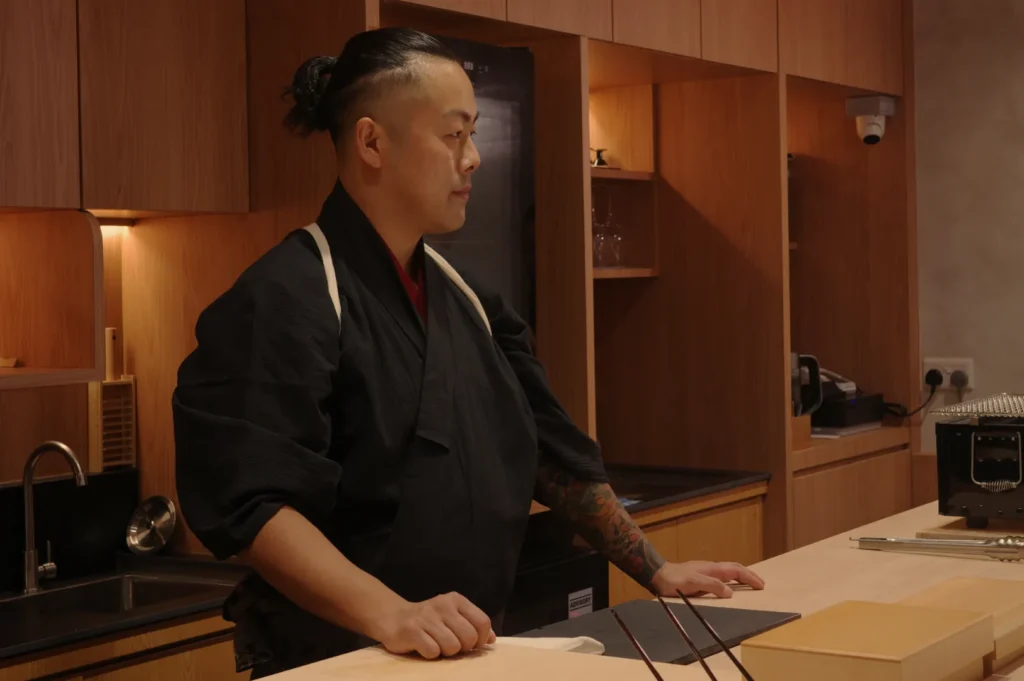
Reservation difficulty is not only about timing. It is also about a kind of cultural fluency, an understanding of the unwritten expectations that come with dining somewhere built around a single chef and a fixed number of seats. In Japan, and increasingly at Japanese restaurants around the world, courtesy toward the booking process is treated as part of the experience itself. A guest who confirms their party size accurately, arrives on time, and communicates any dietary needs in advance is taking part in the same quiet respect for craftsmanship that shapes the meal to come.
This fluency extends to how guests think about the room itself. An eight seat counter is not simply a smaller version of a large restaurant. It asks for a different kind of presence: less rushed, more attentive, willing to let the evening unfold at the chef’s pace rather than the guest’s. Visitors who arrive expecting the same rhythm as a busy, walk in friendly restaurant sometimes find the experience disorienting at first, until they settle into the slower tempo the format is built around, and the quiet service that comes with it.
What Waits Beyond the Door
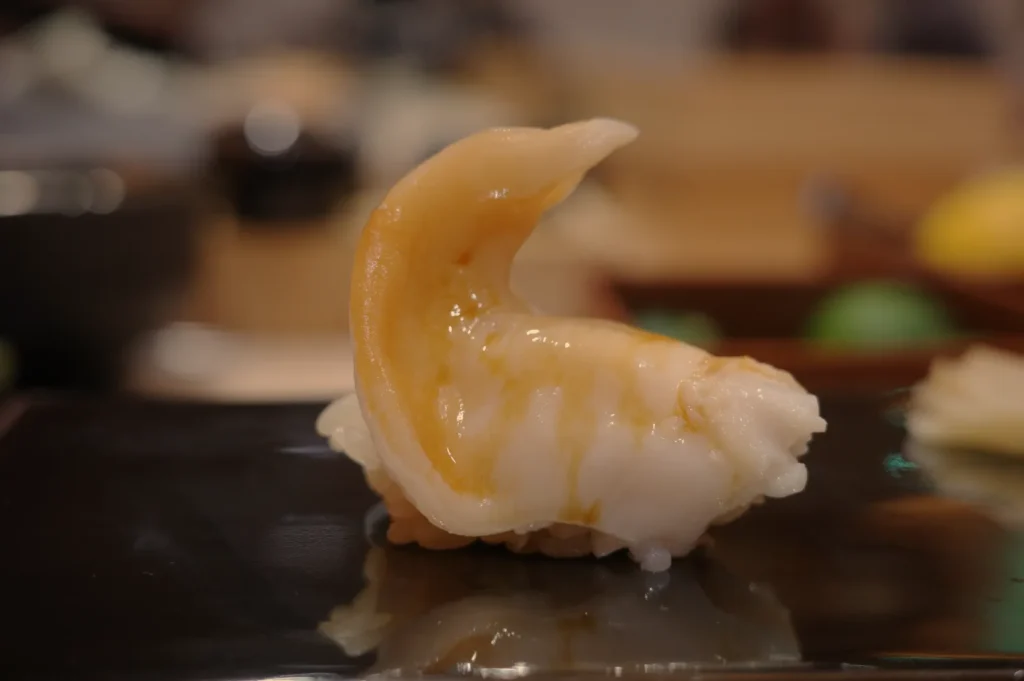
For those who do secure a seat, the reward is an evening built entirely around trust. Omakase, at its core, means leaving the choices to the chef, and at Sushi Masa by Ki-Setsu, that trust is placed in Chef Masa’s daily reading of what Toyosu Market has to offer. The meal begins with a light, clear soup stock, free of shellfish, meant to prepare the palate rather than announce itself too loudly. From there, the courses move through sashimi, nigiri and warmer dishes, each one reflecting the season rather than a fixed script, right through to a dessert that closes the evening gently.
There is a refreshing honesty to this approach, particularly at a moment when some lower priced omakase experiences have leaned on gimmicks, an overflowing bowl of roe piled high for a photograph, for instance, to create an impression of value. Sushi Masa by Ki-Setsu has chosen a different path, one where quality and quantity are separate ideas entirely, and where a single, precisely handled piece of nigiri says more than a larger plate built for a picture ever could.
An Invitation, Not an Obstacle
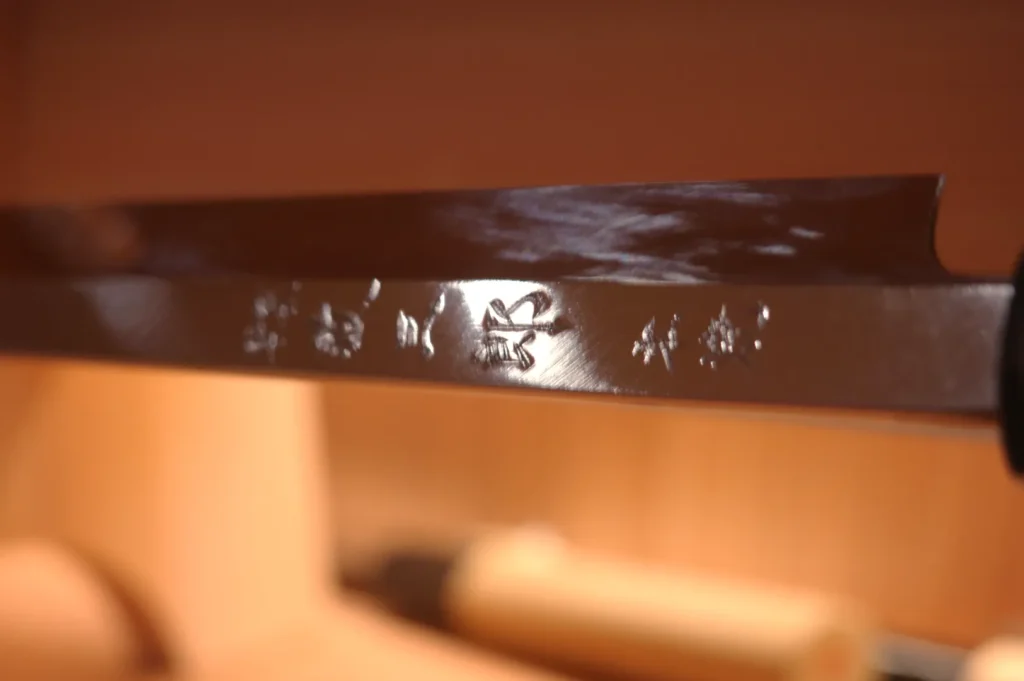
Reservation difficulty, seen this way, is less an obstacle and more an invitation: to plan a meal the way one might plan any meaningful trip, with intention, a little patience, and the understanding that some of the best evenings in food are the ones worth waiting for. Sushi Masa by Ki-Setsu keeps its door narrow on purpose, not to create mystique around its address, but to protect the quality of what happens once a guest is seated at the counter.
For those ready to secure their evening, reservations for Sushi Masa by Ki-Setsu can be made directly through our online booking system. Whether marking a special occasion, hosting a business dinner, or simply making room in a busy trip for one unhurried meal, we look forward to welcoming you to the counter, and to sharing what Chef Masa has prepared for that particular night.