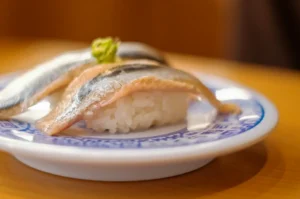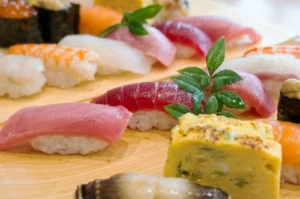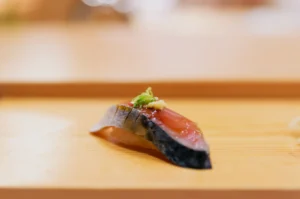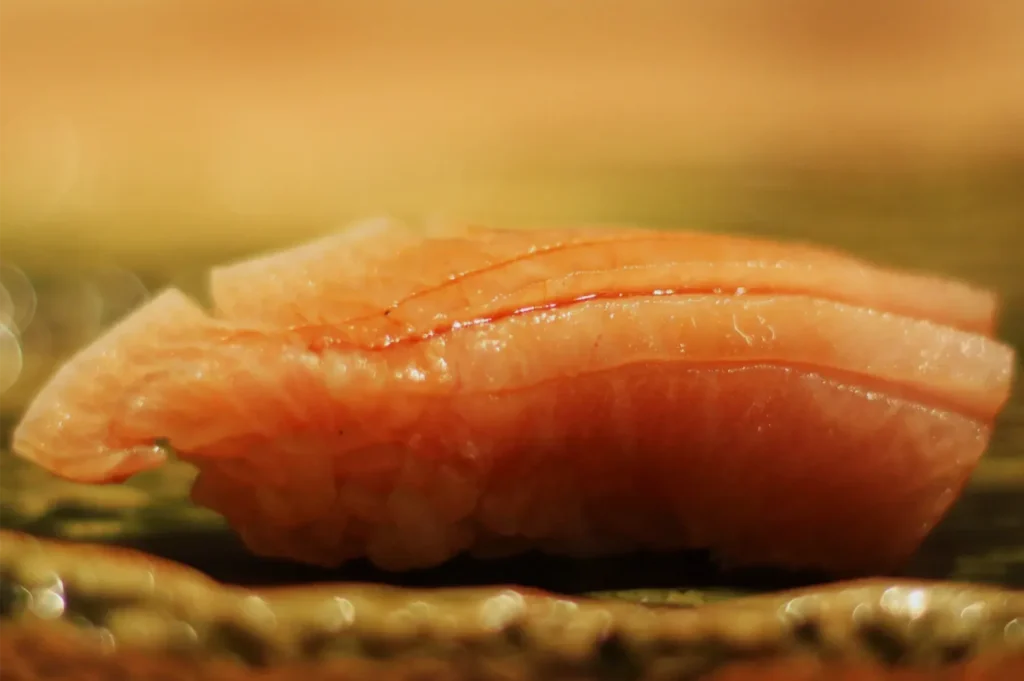
When the sea turns cold, buri arrives at its finest.
Buri is the fully mature stage of the Japanese amberjack, Seriola quinqueradiata. Few fish speak of winter in Japanese cuisine as clearly. It is a shusse-uo, or “promotion fish,” whose name changes as it grows. Depending on the region, the young fish passes through names such as tsubasu, inada, hamachi and mejiro. Only at 80cm and beyond does it earn the name buri. In the depths of winter, it becomes kan-buri.
By then, the flesh carries its fullest measure of fat. It is rich, sweet and substantial. Sake pairing with buri calls for a companion with body and depth.
This guide forms part of our wider exploration of sake pairing with seafood. For the foundations of sake styles and terminology, begin with understanding Japanese sake.
Buri vs. Hamachi vs. Kanpachi: Clearing the Confusion
These three names often appear side by side on menus. They are frequently confused. The difference matters, because fat shapes everything about the pairing.
Buri and hamachi are the same species at different stages of life. Think of veal and beef. One animal, two expressions.
Kanpachi is another species entirely. It is the greater amberjack, Seriola dumerili. A relative, but not the same fish.
| Buri | Hamachi | Kanpachi | |
|---|---|---|---|
| Species | Seriola quinqueradiata (mature) | Seriola quinqueradiata (young) | Seriola dumerili (different species) |
| Size and age | 80cm and above | Roughly 30 to 60cm, 1 to 2 years | Varies |
| Fat content | Highest of the yellowtail life stages | Moderate, less oily than wild buri | Lean |
| Texture | Firm, substantial, rich | Soft, tender | Firm, crisp |
| Colour | Deep, with pronounced fat lines | Pale pink to cream | Paler, lighter |
| Flavour | Rich, bold, savoury | Mild, buttery | Clean, mild, mineral |
| Source | Wild and farmed | Most commonly farmed | Wild and farmed |
| Best season | Winter | Year-round, through aquaculture | Summer (June to July) |
Wild and Farmed Buri
Wild buri and farmed fish are not the same on the plate. Farmed yellowtail is consistent and gentle. Wild buri, shaped by long migration and cold water, carries a more complex flavour and a firmer bite.
When a chef presents wild kan-buri, it is a seasonal statement.
Why This Matters for Pairing
A lean slice of kanpachi suits a crisp, clean sake. Tender hamachi welcomes something soft. Mature buri, with its deep fat, asks for more structure. Knowing which fish sits before you is the first step to choosing well.
Buri in Winter: Why Kan-Buri Is the Pinnacle
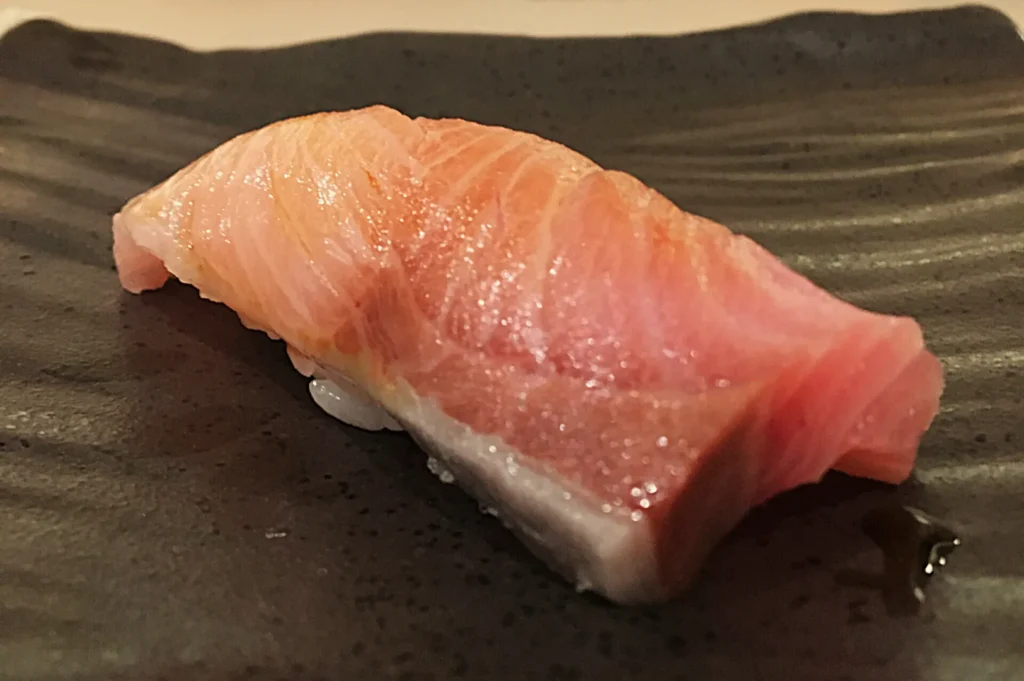
Kan-buri means “cold buri.” It names the fish at the height of winter, when its fat reaches its peak.
As water temperatures fall, buri shifts its energy away from activity and towards fat storage. The flesh grows richer week by week. By midwinter, it holds more fat than at any other point in the year.
The Japanese reverence for this fish follows its whole life. Each new name marks a step forward. For this reason, buri has long been served at celebrations and New Year tables, a quiet wish for advancement and good fortune.
Himi-Buri from Toyama Bay
Some origins carry particular weight. Himi-buri, landed at Himi on Toyama Bay, is among the most respected in Japan. The fish are caught as they migrate south through the Sea of Japan in winter, well fed and heavy with fat. The deep, cold waters of the bay add to their reputation.
On the Counter
Sliced, kan-buri is firm and substantial. The colour is a deep, warm gold. Fine lines of fat run through each cut.
It appears in many forms:
- Sashimi: thick slices that show the richness plainly
- Nigiri: a bold, rich topping over warm rice
- Buri daikon: simmered with daikon radish, a classic of the winter home kitchen
- Shabu-shabu: swirled briefly through hot broth
- Teriyaki: glazed, with gentle caramel notes
At a premium omakase counter, buri is one of winter’s signature pieces.
Sake Pairing Strategy for Buri

Buri’s high fat, rich umami and winter character point in a clear direction. This is a fish that welcomes sake with weight and warmth.
Full-Bodied Junmai, Warmed
This is the quintessential kan-buri pairing.
Choose a rich junmai with an amino acid value of around 1.5 to 1.8. Serve it at 40 to 50°C. The body meets the fish. The warmth suits the season. The umami depth engages with buri’s savoury richness.
Warming does something more. It lifts the sake’s acidity, helping it cut cleanly through the fat. Each sip resets the palate for the next slice.
Kimoto and Yamahai
These traditional brewing methods produce sakes with elevated acidity, often a San-do of 1.5 to 1.8 or higher. That acidity is essential for balancing buri’s fat.
Kimoto and yamahai also carry an earthy, lactic character. It echoes the depth of flavour in mature buri. These styles are especially good with buri daikon or grilled preparations, where savoury notes deepen.
Hiyaoroshi, the Autumn Release
In early winter, consider hiyaoroshi.
Hiyaoroshi is pasteurised once in spring, then rests through the summer before release in autumn. It is not namazake, which is unpasteurised. The months of maturing give it a mellow, rounded character.
Its relaxed acidity and developed umami suit buri’s richness without overwhelming it. It bridges autumn and winter gently.
Dry Honjozo, Warmed
Dry honjozo offers a clean finish and lighter body. It is a versatile partner, particularly for buri nigiri, where the fish is served at room temperature.
The small addition of brewing alcohol gives a smooth texture that sits alongside the fat rather than competing with it.
Leave the Daiginjo for Another Course
Delicate, aromatic daiginjo is beautiful with white fish. With buri, its subtle perfume is lost beneath the fat.
This is the moment to ask for the most structured junmai on the list.
In short: match richness with body, cut fat with acidity, and let warmth reflect the season.
Practical Pairing Tips for Diners
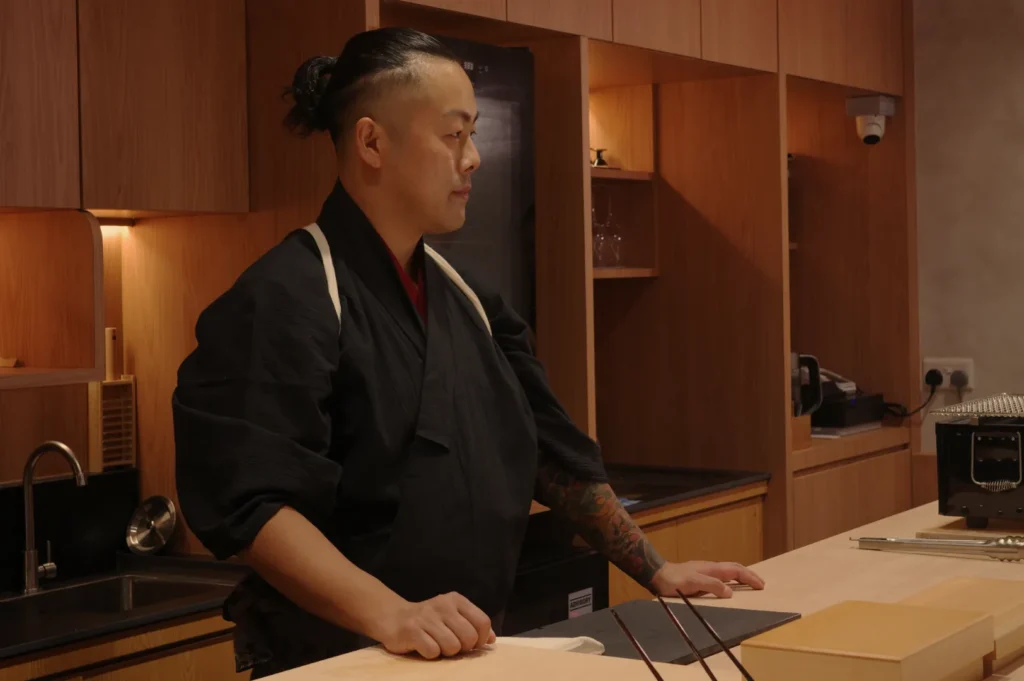
A few quiet considerations at the counter.
Ask About the Fish
Ask whether the buri is wild or farmed, and where it was landed. The answer shapes the pairing. Wild kan-buri can carry a more robust sake.
Let the Preparation Guide You
- Sashimi: warmed full-bodied junmai
- Nigiri: dry honjozo, gently warmed
- Buri daikon or grilled buri: kimoto or yamahai
- Early winter servings: hiyaoroshi
Consider Temperature
Request your sake warmed to nurukan or jōkan, roughly 40 to 45°C. If the pour feels heavy, ask for it slightly cooler. Small changes open different sides of the same sake.
Sip Between Slices
Taste the fish first. Then sip. Notice how the acidity lifts the fat and refreshes the palate. Pause before the next piece.
Trust the Counter
The chef and sommelier know how each fish is aged, cut and served that evening. Share what you enjoy. Let them guide the rest.
Conclusion
Buri is the culmination of the Japanese amberjack’s journey. Its name changes as it grows, from young fish to mature buri, and it reaches its fullest expression in the cold of winter.
Paired with a full-bodied, warmed sake, it becomes one of the most satisfying combinations in Japanese cuisine. Season, fat and umami meet in balance.
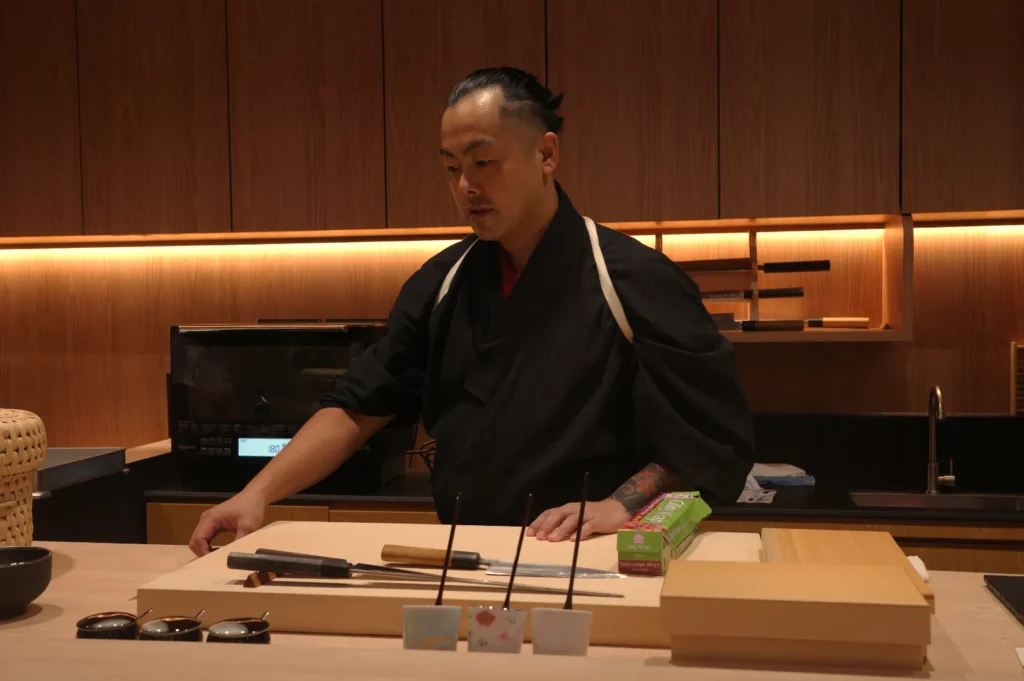
At Sushi Masa by Ki-Setsu, this harmony quietly defines the winter omakase.
Winter buri has arrived at the counter.
Join us at Sushi Masa by Ki-Setsu in Cuppage Plaza, and let the season guide your sake.