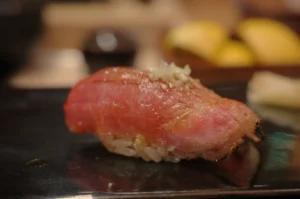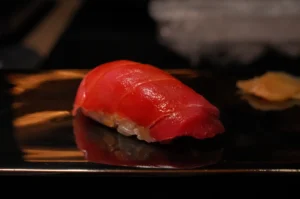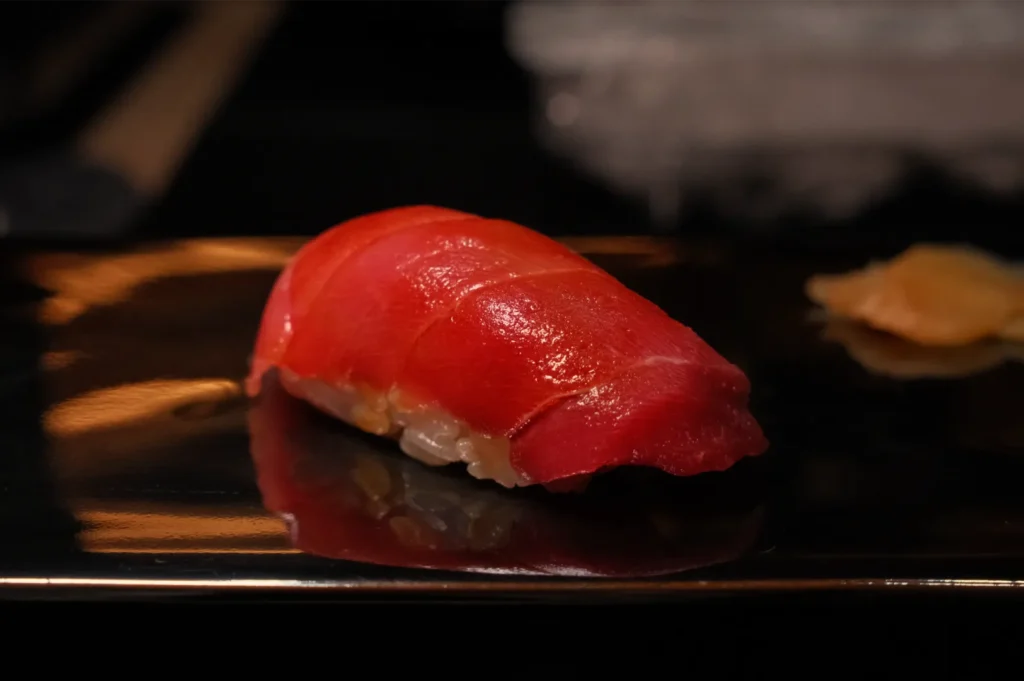
Chutoro sits in the quiet middle of the tuna. Not the lean muscle of akami, nor the deep richness of otoro. It is the medium-fatty cut of Pacific bluefin tuna (Thunnus orientalis), drawn from the transitional zone between the two. Its fat content runs from roughly 15 to 20 per cent, rising towards 30 per cent in the depth of winter.
Many consider chutoro the most balanced piece the fish offers. It carries the meaty umami of akami and the buttery sweetness of otoro in a single bite. This dual nature makes it one of the most rewarding cuts for sake pairing, pairing gracefully with a wider range of styles than either extreme.
At Sushi Masa by Ki-Setsu, guests taste this balance directly. Tuna selected with care. Sake chosen to meet it.
What Is Chutoro? The Anatomy of Balance
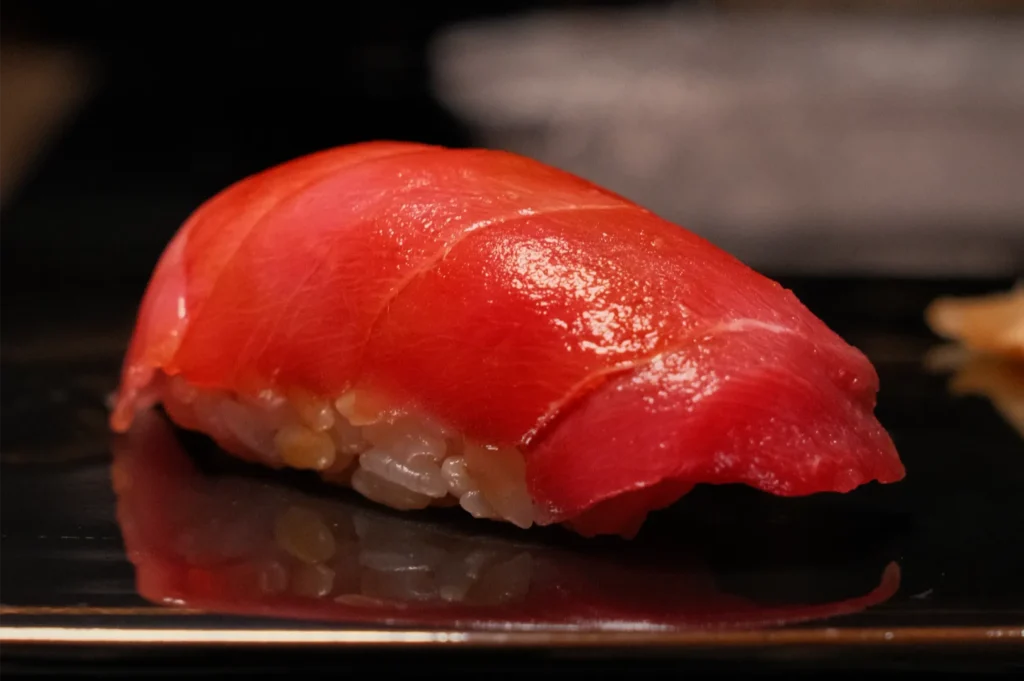
Chutoro comes from two areas of the fish. The upper belly and the flesh near the back, close to the dorsal loin. This makes it the tissue between akami, the lean dorsal muscle, and otoro, the rich ventral belly. It is, quite literally, the meeting point.
Appearance and Texture
The flesh is a soft pinkish-red, laced with fine white marbling. The fat threads are visible, running through the meat like light through water, yet they never dominate. The colour stays warm and clear.
On the palate, chutoro melts. But it holds more body than otoro, keeping a gentle structure that gives you something to taste, not just something to feel. It yields, then lingers.
The Setoro Distinction
There is a rarer sub-cut worth knowing. Setoro, sometimes called shotoro, is chutoro taken from the side of the dorsal fins. It carries some tendon, yet its umami is remarkably condensed. Many connoisseurs prize it above even otoro. Only a small amount exists per fish, which makes each encounter with it quietly special.
Chutoro remains the most popular cut for sashimi and the quintessential balanced piece in nigiri. Its finest expression arrives in winter, when the tuna’s fat stores reach their peak and the marbling deepens.
How Chutoro's Dual Character Shapes Sake Pairing
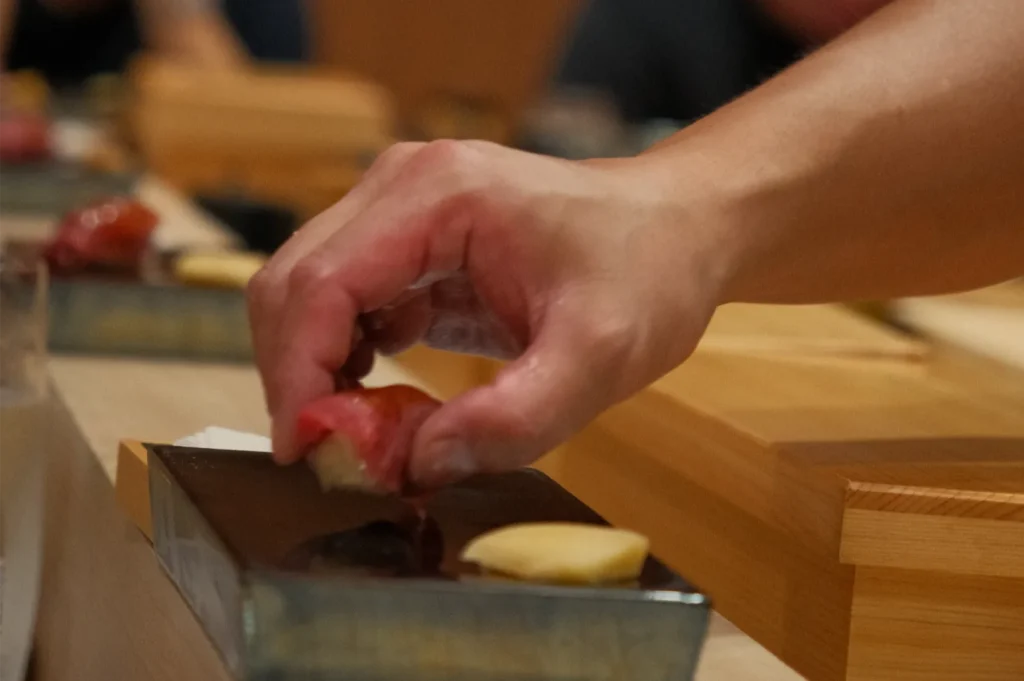
Chutoro speaks in two voices. Each meets sake differently, and understanding both is the key to a thoughtful match.
The Akami Dimension: Meaty Umami
The red muscle in chutoro still carries meaningful inosinic acid (IMP), though slightly less concentrated than pure akami, since fat displaces some of the lean tissue. This IMP is the source of chutoro’s savoury depth. When it meets the glutamate in sake, the two amplify one another, a synergy that can multiply perceived umami roughly seven to eight times. That foundation still operates here, giving the pairing real weight.
The Fat Dimension: Sweetness and Richness
The marbled fat brings a soft sweetness and a coating sensation across the palate, with a finish that lingers longer than akami’s clean close. That richness needs a counterweight. Sake with sufficient acidity cuts through the fat and refreshes the mouth between bites, so each piece tastes as clear as the first.
Why Balance Matters
This is what makes chutoro so interesting to pair. The sake must hold enough umami weight to meet the meaty voice, and enough acidity to manage the fat. That rules out two extremes. The most delicate sakes are overwhelmed by the meat. The heaviest, most unctuous styles only compound the richness without cleansing the palate. The right choice lives, like chutoro itself, in the middle.
Recommended Sake Styles for Chutoro
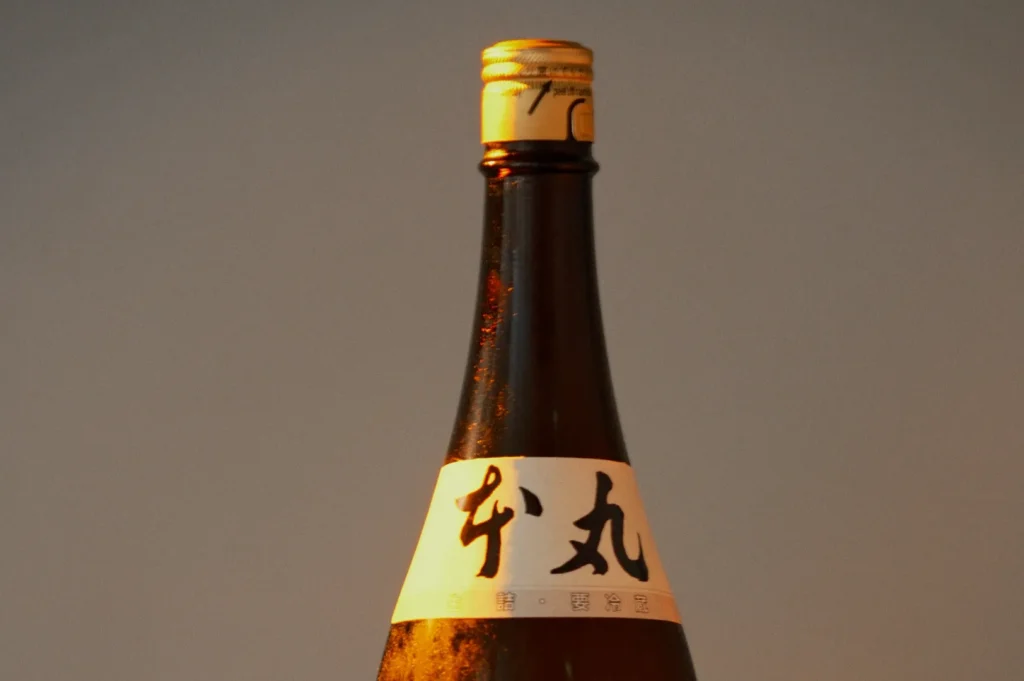
A handful of styles rise naturally to meet this cut. Here is where to begin.
Junmai Ginjo: The Ideal Match
Junmai ginjo, with a rice polishing ratio of 60 per cent or lower, offers a clean, aromatic character and moderate body. Acidity typically sits around 1.0 to 1.4, enough to cut through the marbled fat, while the structure stands up to chutoro’s meatiness. Look for a dry to medium-dry profile, roughly SMV +2 to +6. This is the most reliable place to start.
Expressive Junmai
A standard junmai with amino acid values of 1.4 to 1.7 brings the umami weight to meet chutoro’s savoury side. The fuller body and rice-forward flavour echo the balanced nature of the fish. Serve at room temperature, around 20 to 22°C, or lightly chilled at 12 to 15°C, depending on the character of the particular bottle.
Dry Ginjo with Citrus Notes
When chutoro is served aburi, lightly torched, reach for a ginjo with citrus or green apple aromatics. The brightness contrasts beautifully with the rendered fat, and the gentle char adds a caramelised note that welcomes the aromatic lift.
Two More Worth Exploring
- Honjozo, warmed to 35 to 40°C. Its clean, crisp character offers a fine counterpoint to the cooling, melting fat of room-temperature chutoro nigiri.
- Yamahai junmai ginjo. A wild fermentation depth softened by ginjo refinement. An intriguing match for the more adventurous palate.
What to Avoid
- Ultra-delicate daiginjo. The meat overwhelms its subtlety.
- Sweet or nigori styles. The sweetness clashes with the fat rather than clearing it.
- Very high-acid kimoto. Its sharpness can make the fat taste rancid.
A note worth keeping: chutoro and otoro do not call for the same sake. Otoro’s greater fat demands more cutting acidity, so a match that suits chutoro may fall short against the richer cut.
Practical Pairing Tips for Diners
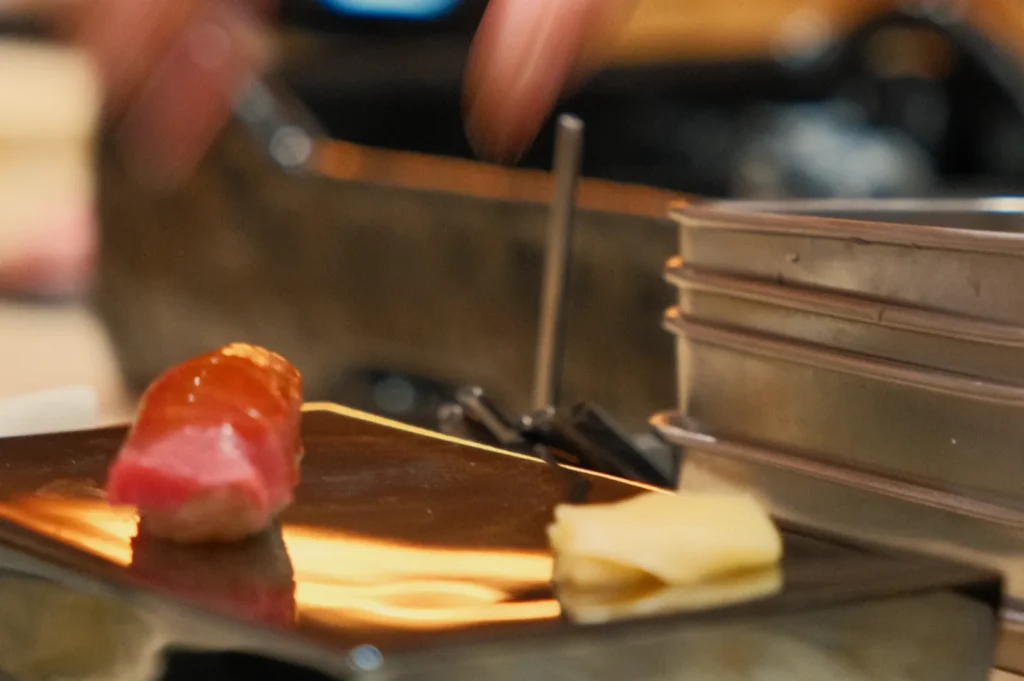
A few simple habits sharpen the experience.
- Taste the fish first. Let chutoro settle on the palate before your first sip. You will notice how the sake responds to both the umami and the fat.
- Mind the temperature. A lightly chilled junmai feels different from the same bottle warmed. Ask how a sake is being served, and let that guide your choice.
- Pace the fat. Chutoro coats the mouth. A clean sip of higher-acid sake between bites resets your palate and keeps the flavours bright.
- Move through the spectrum. If your meal travels from akami to chutoro to otoro, expect the sake to shift too. Each cut asks for a little more structure and acidity than the last.
- Trust the counter. In an omakase setting, the chef reads the fish daily. If a pairing is suggested, it reflects that morning’s catch and its exact character.
Chutoro forgives more than most cuts, which makes it a fine place to begin experimenting. Start with junmai ginjo, then explore outward.
Conclusion
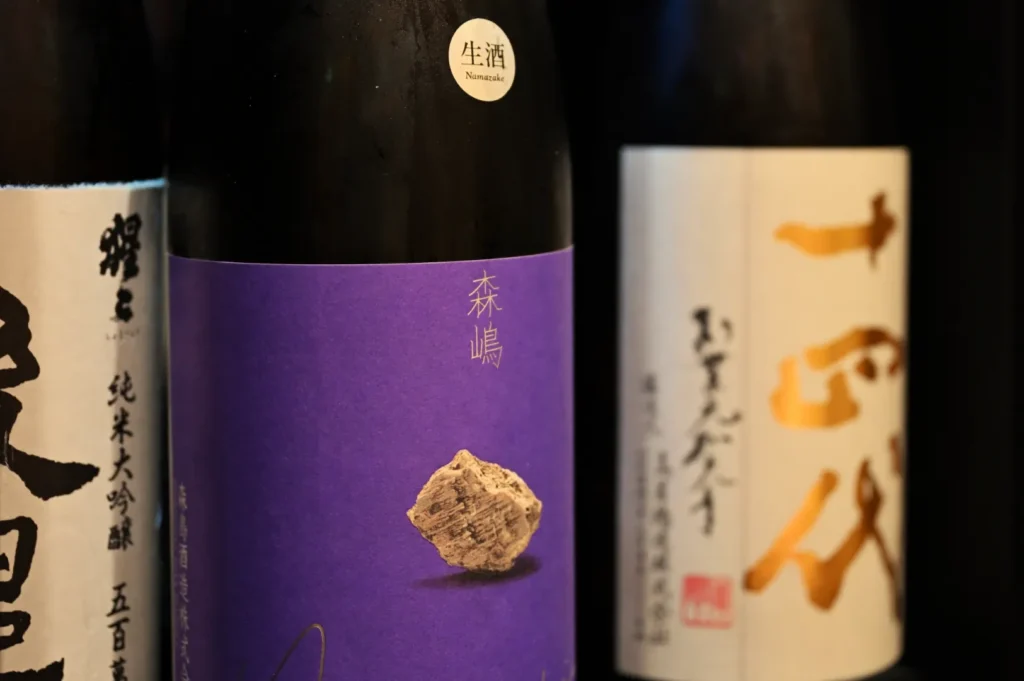
Chutoro is the harmonious midpoint of the tuna spectrum. Enough fat to bring richness, enough lean muscle to carry umami depth. That balance becomes pairing versatility, opening the door to many sake styles and offering a gentle, rewarding introduction to tuna and sake for omakase guests.
Come taste this balance for yourself at Sushi Masa by Ki-Setsu, Cuppage Plaza. A quiet seat. A curated pairing. Chef Masa’s calm watch.