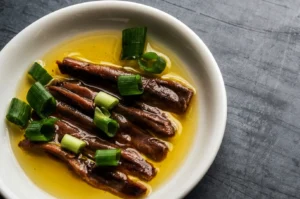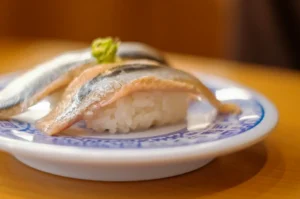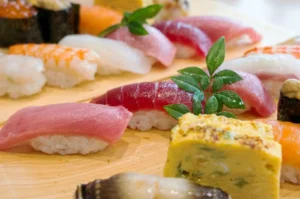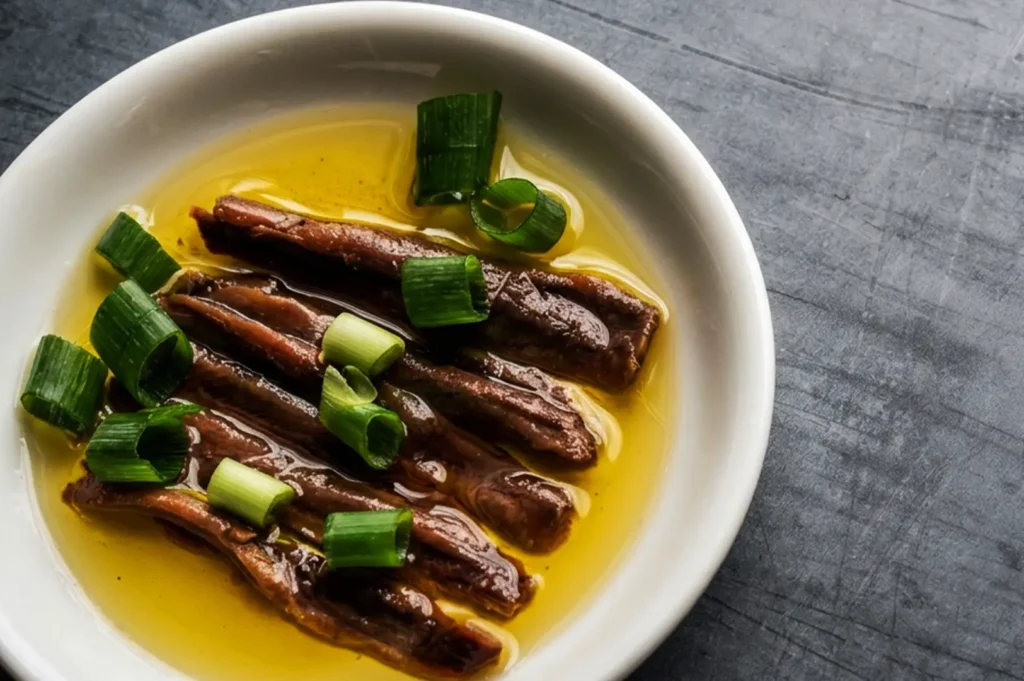
Few fish arrive at the sushi counter with as much to say as iwashi.
The Japanese sardine, Sardinops melanostictus, carries more oil than any other fish commonly served as sushi. Its flavour is bold and briny. When impeccably fresh, it is also surprisingly sweet.
That freshness is everything. Sardines degrade faster than almost any other fish, so iwashi was never part of the traditional Edomae repertoire. Before refrigeration, there was simply no way to keep it sound long enough to serve raw. Modern logistics and careful hands have changed that. Today, iwashi is a prized seasonal piece at serious omakase counters.
Its intensity also makes it a fascinating study in how Japanese sake pairs with rich fish. At Sushi Masa’s seafood-focused omakase, iwashi is served at its peak, alongside sake chosen to meet it.
What Is Iwashi? Understanding the Japanese Sardine
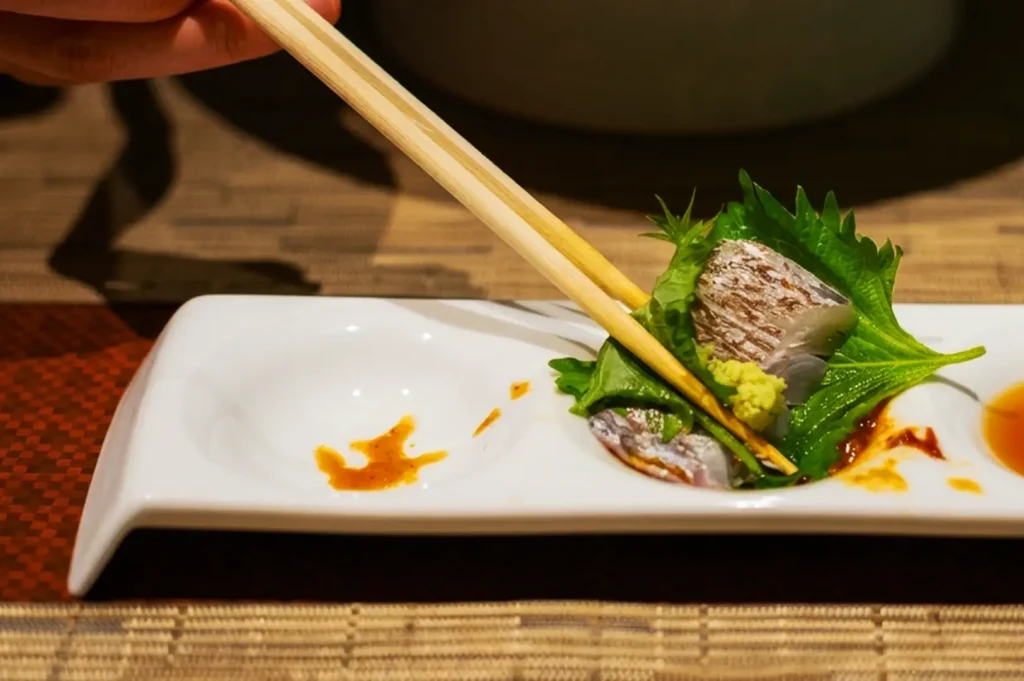
Iwashi is a small fish that travels in vast schools. It has a silver body, a blue-green back and a deeply forked tail. It sits among the hikarimono, the silver-skinned “shining things” of the sushi counter.
Species and Names
The fish most often served as nigiri is maiwashi, or Sardinops melanostictus. The name iwashi also covers other regional species. These include katakuchi iwashi (Engraulis japonicus, the Japanese anchovy) and urume iwashi (Etrumeus teres, the round herring). Each has its own size and character.
Iwashi is often mentioned alongside kohada, another hikarimono. They are, however, entirely different fish from different families.
Oil, Texture and Handling
Iwashi has the highest fat content among commonly served sushi fish. In peak season, it is richer even than saba (mackerel).
The flesh is silky, almost melting. It is so delicate that chefs often open it by hand, guiding the thumb along the spine rather than using a blade. A knife’s pressure and warmth can “burn” the flesh, bruising its fine structure.
Time matters just as much. The stomach breaks down very quickly after the catch, so every step, from boat to counter, must be swift.
Flavour and Season
The first impression is briny and deep. Then comes a clean, gentle sweetness. This sweetness comes from amino acids present when the fish is in peak condition.
Iwashi is at its best from late summer through autumn. After the rainy season, the fish has fed well and built its fat reserves. Sardines caught during the rainy season itself, known as baiu iwashi or nyuubai iwashi, are also prized for their flavour.
The Pairing Challenge: Managing Extreme Oil and Intensity
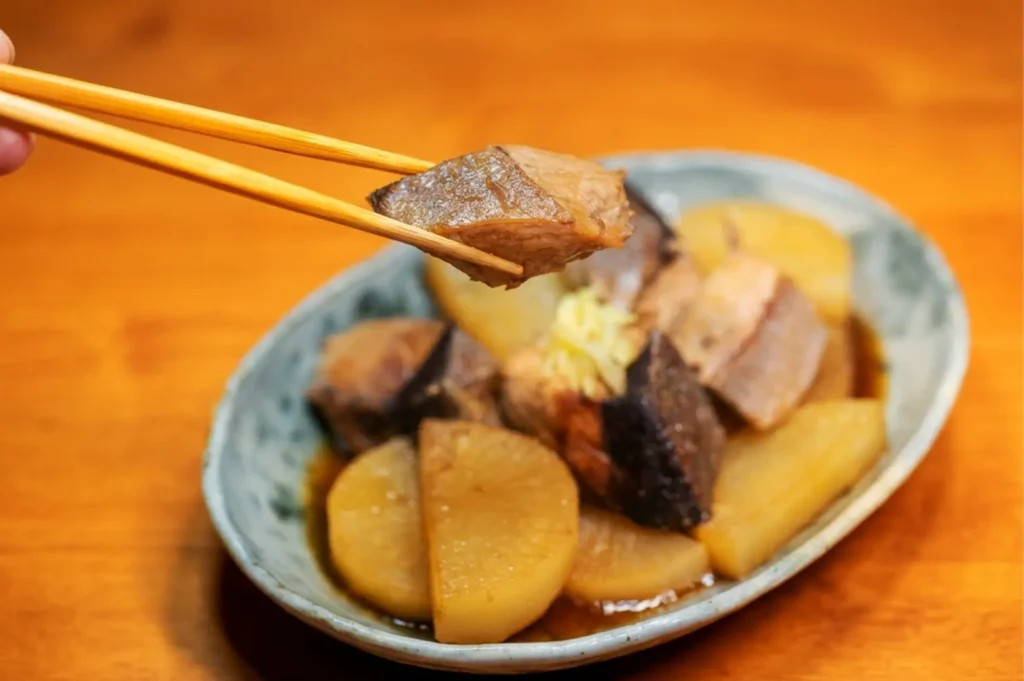
Iwashi asks a great deal of sake.
The oil is abundant. The flavour is intense. The texture is soft and fragile. A good pairing must cut through the oil, match the intensity and still respect that delicate flesh, all at once.
Four qualities guide the choice.
- Acidity is essential. With more oil than saba, iwashi calls for a sake with a San-do (acidity) of 1.5 or higher. The organic acids lift the film of oil from the palate between bites, so each piece tastes as clear as the first.
- Body must be present, but not heavy. The sake needs enough weight to register against the fish. Too much body, though, sits with the oil and turns the pairing cloying.
- Dryness prevents fatigue. Sweetness and oil together tire the palate quickly. A dry profile, with a Sake Meter Value (SMV) of roughly +3 to +8, keeps the pairing lively across several bites.
- Aromatic contrast brings lift. Iwashi is already savoury and deep. Sakes with citrus, herbal or mineral notes offer brightness rather than adding more weight.
The traditional garnish tells the same story. Iwashi nigiri is usually topped with grated ginger and finely sliced scallion, not wasabi.
The ginger brings a gentle heat. The scallion brings freshness. Both cleanse the palate and cut through richness.
This is exactly what the sake should do: bring brightness against the oil.
Recommended Sake Styles for Iwashi
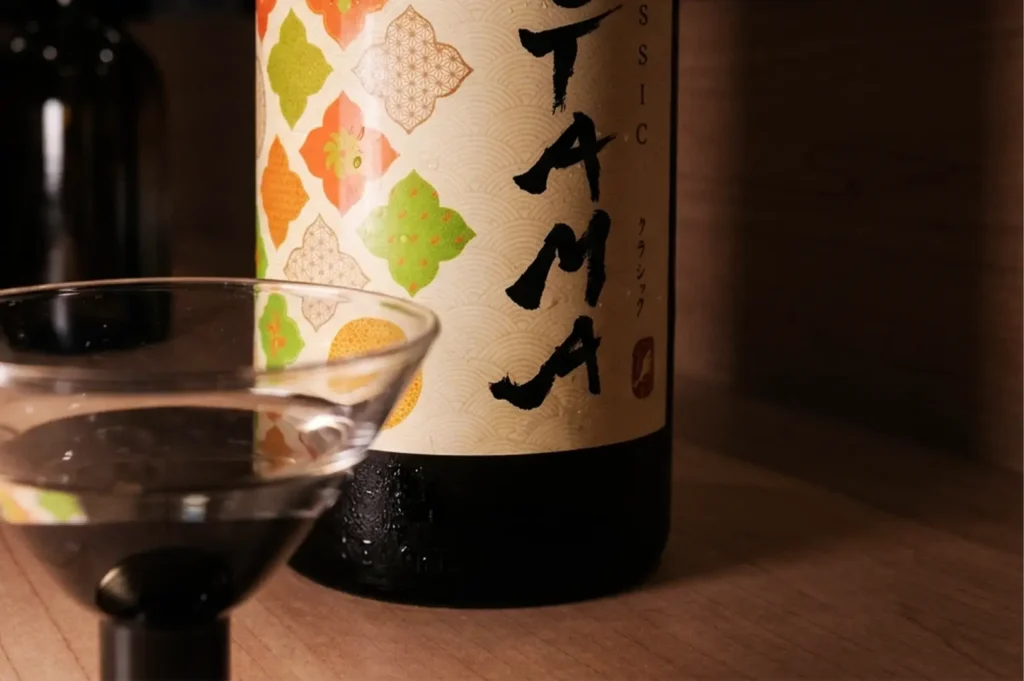
Iwashi is rich, oily and full of the sea. The sake should answer it with clarity.
Three styles do this well.
Dry Junmai with High Acidity
This is the most dependable partner for iwashi nigiri. Look for a dry, structured junmai with a San-do of around 1.5 to 1.7.
The acidity cuts through the oil. The rice-forward umami meets the fish’s intensity without overpowering it. For raw iwashi, serve it at room temperature or slightly chilled, around 12-15°C.
Nama Junmai
Nama sake is unpasteurised. It tastes bright, sharp and vivid.
With raw iwashi at the height of its freshness, nama junmai offers striking contrast. Its liveliness mirrors the freshness the sardine itself demands. Serve it chilled, at 8-12°C.
Kimoto Junmai
Kimoto is a traditional, slower method of building the yeast starter. It gives sake structured acidity, earthy depth and subtle lactic notes.
It suits iwashi that has been briefly cured, salted and rinsed in vinegar to firm the flesh and focus its flavour. The added complexity stands up well to the fish’s bold character.
Honjozo for Iwashi Shioyaki
Salt-grilled iwashi, or iwashi shioyaki, is a beloved home-style dish. The heat renders the oils and concentrates the flavour.
A warmed honjozo, at 40-45°C, offers a clean, crisp counterpoint. Its lighter body, compared with junmai, keeps the pairing from feeling heavy.
Yamahai Ginjo
For the curious, a yamahai ginjo is a bolder choice. It brings together wild fermentation character and refined aromatics.
There is a risk. The delicate ginjo fragrance may fade against the fish. When it works, though, the complexity is remarkable.
Styles to Avoid
- Daiginjo: Its delicacy is overwhelmed by the oil.
- Nigori: Too sweet, and its creamy texture competes with the fish.
- Sweet or fruity ginjo: These clash with the briny intensity.
- Very warm sake with raw iwashi: The temperature sits awkwardly against the soft, cool flesh.
Practical Pairing Tips for Diners
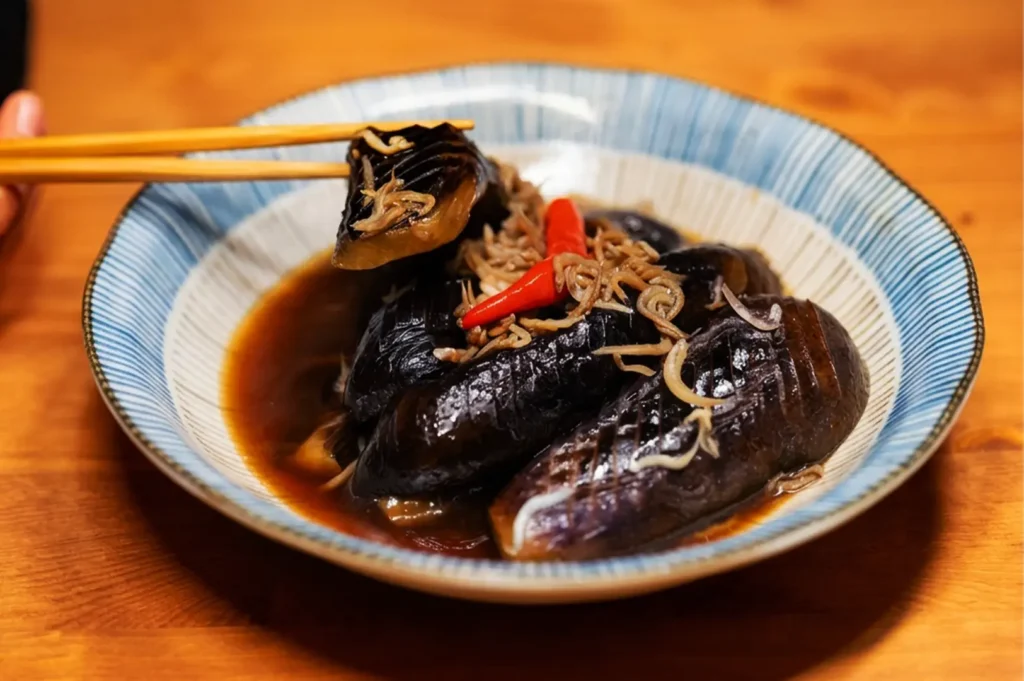
A few quiet habits can deepen the experience at the counter.
- Trust the chef’s timing. Iwashi appears only when the fish is right. If it is offered, it has likely arrived at its best.
- Share your preferences. Let the chef or sommelier know you enjoy dry sake with lively acidity. This simple note shapes what is poured.
- Ask about the preparation. Raw, lightly cured or grilled iwashi each suit a different style and temperature. A short question brings a better match.
- Keep the garnish. The ginger and scallion are part of the balance. Adding wasabi or extra soy sauce can mask the fish’s natural sweetness.
- Eat promptly. Nigori is best eaten soon after it is placed before you, while the rice is still warm and the fish still cool.
- Sip after the bite. Let the sake follow the fish. Notice how the acidity clears the oil and readies the palate.
- Take small sips. Iwashi is intense. A small pour keeps both the sake and the fish in focus.
- Return in season. Late summer through autumn is when iwashi is at its richest.
Conclusion
Iwashi sits at the outer edge of intensity in sushi. It is the oiliest, briniest and most fleeting of the hikarimono.
Pairing it calls for precision. The sake needs enough acidity to manage the oil, enough body to match the flavour and enough dryness to keep the palate fresh.
When those elements align, iwashi becomes one of the most vivid moments in omakase. It is a quiet reminder that a simple fish, at its peak, can hold remarkable depth.
When the season turns, a seat awaits at Sushi Masa by Ki-Setsu in Cuppage Plaza.
Come taste iwashi beside a sake chosen with care.