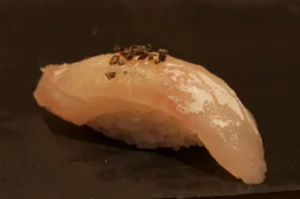
Karei, the right-eyed flatfish family of Japanese cuisine, offers a fascinating contrast to its better-known cousin hirame, and its sake pairings shift dramatically depending on whether it is served raw or cooked. To understand sake pairing karei well, you begin with a single observation held in Japanese kitchens for generations. Look at where the eyes sit. That small detail signals a different fish, a different flavour, and a different way to drink alongside it.
Hidari Hirame, Migi Karei
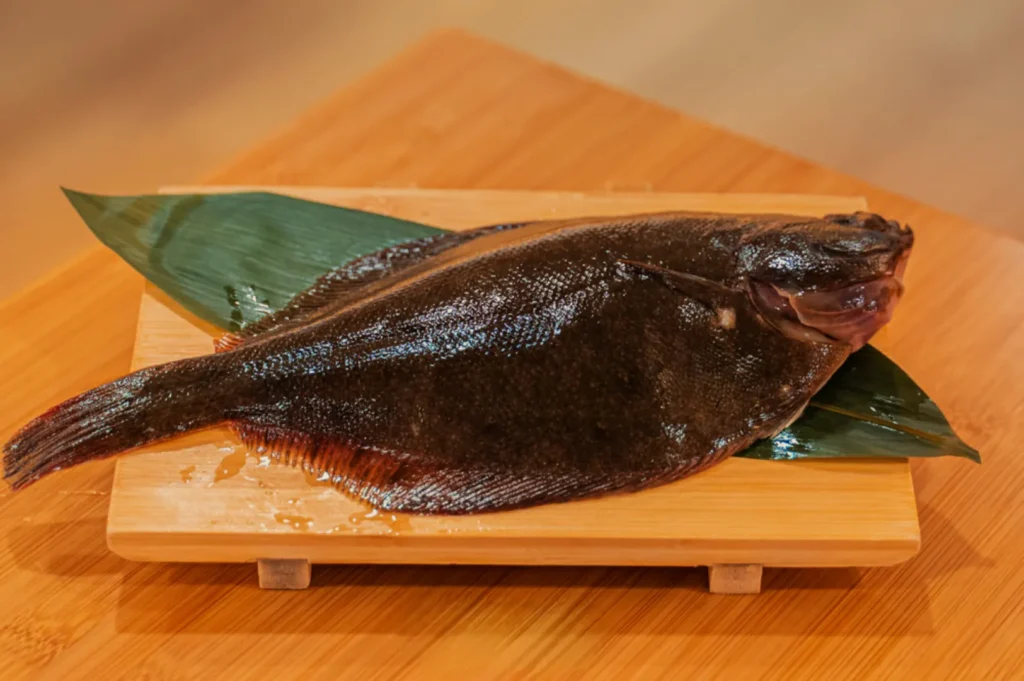
There is an old saying that helps you tell these flatfish apart at a glance: “Hidari Hirame, Migi Karei.” Left hirame, right karei.
Lay the fish flat with its pale underside down. If both eyes rest on the left, it is hirame. If they gather on the right, it is karei.
This is more than a naming trick. The right-eyed orientation marks a fish with its own character. Where hirame leans lean, clean, and delicate, karei carries a softer texture and an earthier note. That earthiness changes everything about how you drink with it.
Keep the phrase hidari hirame migi karei in mind, and the rest of the pairing follows naturally.
Karei Species and Their Character
Karei is not a single fish but a family. A few appear often on Japanese menus, each with its own quiet personality.
Makogarei (Pseudopleuronectes yokohamae) is among the most familiar. Firm enough to enjoy raw when handled with care, mild in flavour, with a gentle sweetness.
Hoshigarei (Verasper variegatus) is prized and less common. Its flesh is fine, its flavour clean yet fuller than you might expect from a flatfish.
Matsukawa (Verasper moseri) is the one collectors of taste seek out. Matsukawa from Hokkaido is considered a premium karei, sought for its texture and depth.
Across the family, a few traits hold true. Karei carries lower fat than hirame. Its texture is softer. Its flavour runs earthier, with a mild to moderate umami rather than a loud one. It rewards attention. Nothing about it shouts.
That restraint is exactly why it pairs so thoughtfully with sake.
Flatfish Seasonality: A Summer Fish
Timing matters here. Flatfish seasonality is part of the pleasure.
Hirame is a winter fish, at its finest in the cold months. Karei takes the opposite path. It is best in summer, and it often fills the space on sushi counters from spring through summer, precisely when hirame has moved out of season.
So when the days lengthen and you notice flatfish still on the menu, look closely. There is a good chance you are meeting karei, right-eyed and quietly seasonal, offered at the moment it shines.
Raw Preparations and Their Sake Pairings
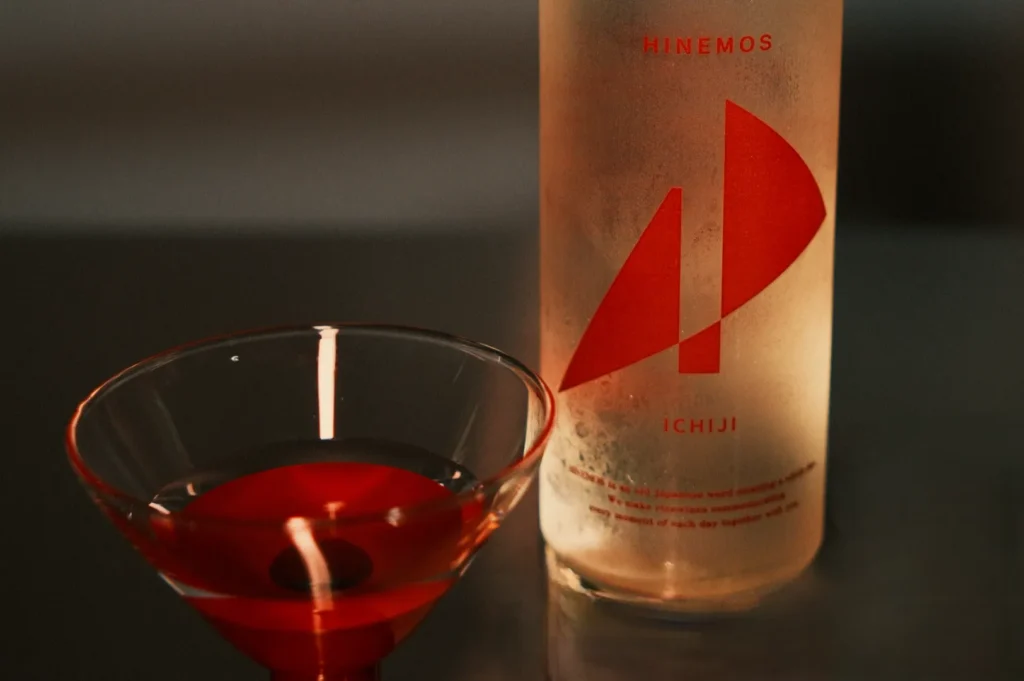
Karei is served raw less often than hirame, and the reason is texture. Its softer flesh does not hold the same clean, resilient bite that makes hirame such a natural for thin sashimi slices.
When it is served raw, skilled hands find ways to lift it. Kobujime, curing the fish briefly between sheets of kombu, draws out moisture and firms the flesh while adding a soft layer of umami. The result is more composed, more focused, and better suited to the counter.
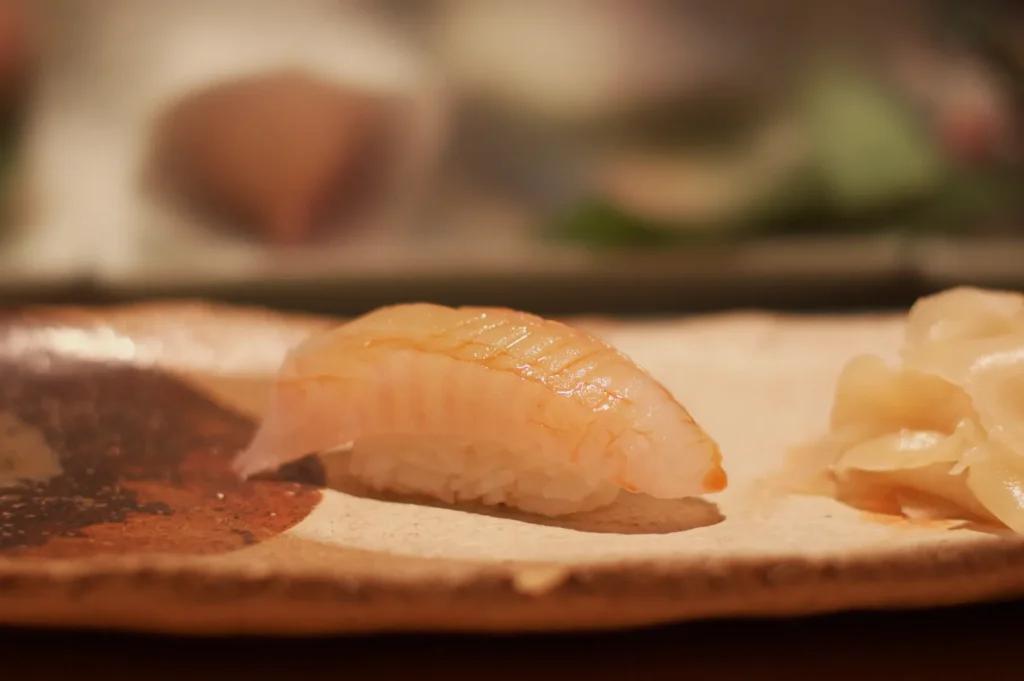
For raw karei, look towards the same territory as righteye flounder sake pairings that echo hirame: light, clean, and unhurried. A crisp junmai served cool, or a delicate junmai daiginjo, sits gently beside the fish without covering it. The goal is space. You want the sake to step back so the mild sweetness and faint earthiness of the karei can be heard.
Nothing heavy. Nothing warm. Just clean lines meeting clean lines.
Cooked Preparations and Their Sake Pairings
Cooked preparations are more common than raw service for karei, and cooking rewards its earthy nature. Heat deepens the flavour, coaxing out notes that stay hidden in raw slices. This is where karei truly comes into its own, and where the pairing turns.
Nitsuke (Simmered)
Nitsuke simmers the fish in a soy-based broth of sake, mirin, sugar, and soy. The flesh turns tender and takes on a savoury sweetness.
Pairing: Reach for warm junmai or honjozo. The umami from the simmering liquid meets the amino acids that sake carries in its own body, and the two lift each other. This is the heart of warm sake cooked fish drinking: not contrast, but synergy.
Yakimono (Grilled)
Salt-grilled or brushed with a light glaze, the fish gains a toasted edge and a faint smoke, a different pleasure entirely from the simmered version.
Pairing: A rounded junmai, warmed just enough to open its rice character, sits beautifully here.
Fried (Kara-age or Lightly Battered)
Fried preparations bring richness and crunch to the fore.
Pairing: Choose a sake with enough body to stand beside the richness while keeping the palate fresh.
The principle behind good cooked flatfish sake pairing is warmth answering depth. As the flavours grow earthier and fuller, junmai warm karei pairings meet them with matching weight and gentle acidity. If you would like to explore the reasoning further, our sake pairing guide walks through how temperature and style shape each match.
Warmth, in the end, is the quiet bridge between the fish and the cup.
Raw versus Cooked Karei: A Quick Comparison
| Aspect | Raw Karei | Cooked Karei |
|---|---|---|
| Common preparation | Sashimi, kobujime | Nitsuke, yakimono, fried |
| Texture | Soft, refined by curing | Tender, deeper, fuller |
| Flavour profile | Mild, gently sweet, faintly earthy | Earthier, savoury, richer |
| Sake style | Light, clean junmai or junmai daiginjo | Warm junmai or honjozo |
| Serving temperature | Cool | Warm |
| Pairing principle | Space and restraint | Warmth and umami synergy |
A Fish Worth Meeting Twice
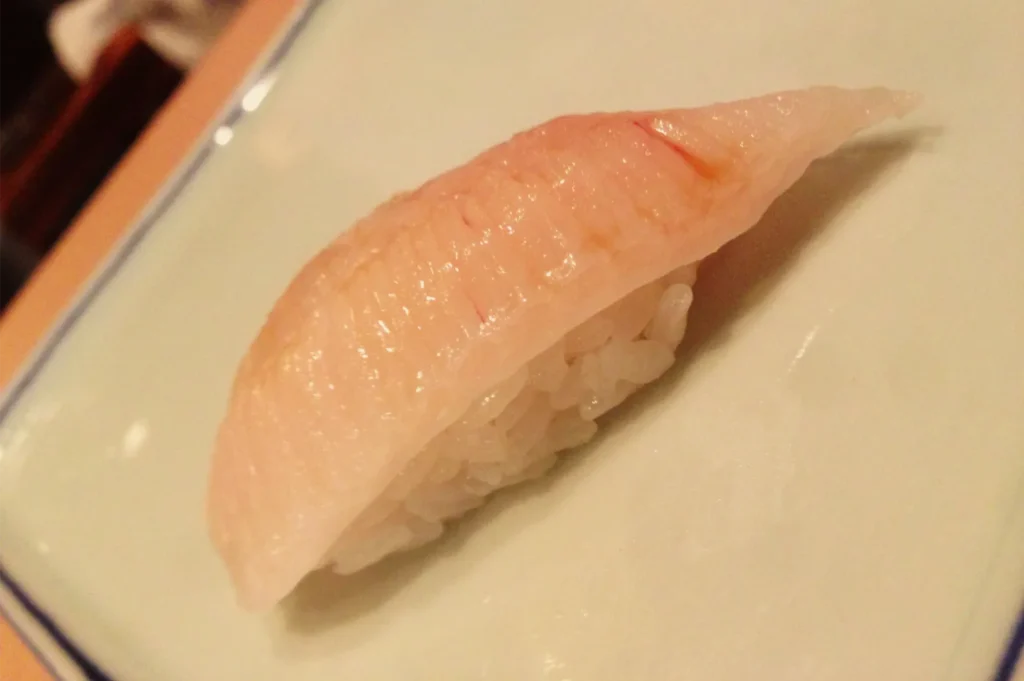
Karei asks for a little curiosity. Raw, it is quiet and clean, best met with a cool, light pour. Cooked, it turns earthy and generous, and warm sake answers in kind. To understand sake pairing karei is to understand that one fish can offer two different evenings, depending on how it meets the heat.
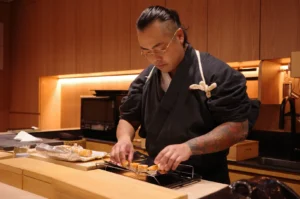
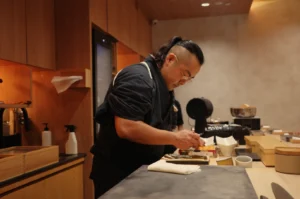
Explore both. Try the kobujime with a cool junmai on a summer night, then return for the nitsuke with something warm in the cup. At Sushi Masa by Ki-Setsu, each piece arrives with intention, seasonal and considered, an invitation to taste the contrast for yourself.
Left hirame, right karei. Once you notice the difference, you begin to drink differently too.
Frequently Asked Questions
What Is the Difference Between Hirame and Karei?
Both are flatfish, but they sit differently. Hirame is left-eyed, leaner, and finest in winter. Karei is right-eyed, softer in texture, earthier in flavour, and best in summer. The saying “Hidari Hirame, Migi Karei” captures the distinction at a glance.
Should Sake Be Warm or Cool with Karei?
It depends on the preparation. Raw karei suits cool, light, clean sake that gives the delicate flesh room to breathe. Cooked karei, such as nitsuke or grilled yakimono, pairs best with warm junmai or honjozo, where the umami and warmth meet the fish’s deeper flavours.
Why Is Karei Cooked More Often Than Served Raw?
Karei has a softer texture than hirame, which makes it less suited to thin raw slices. When served raw, kobujime curing helps firm the flesh. More often, karei is simmered, grilled, or fried, as cooking draws out its earthy character beautifully.