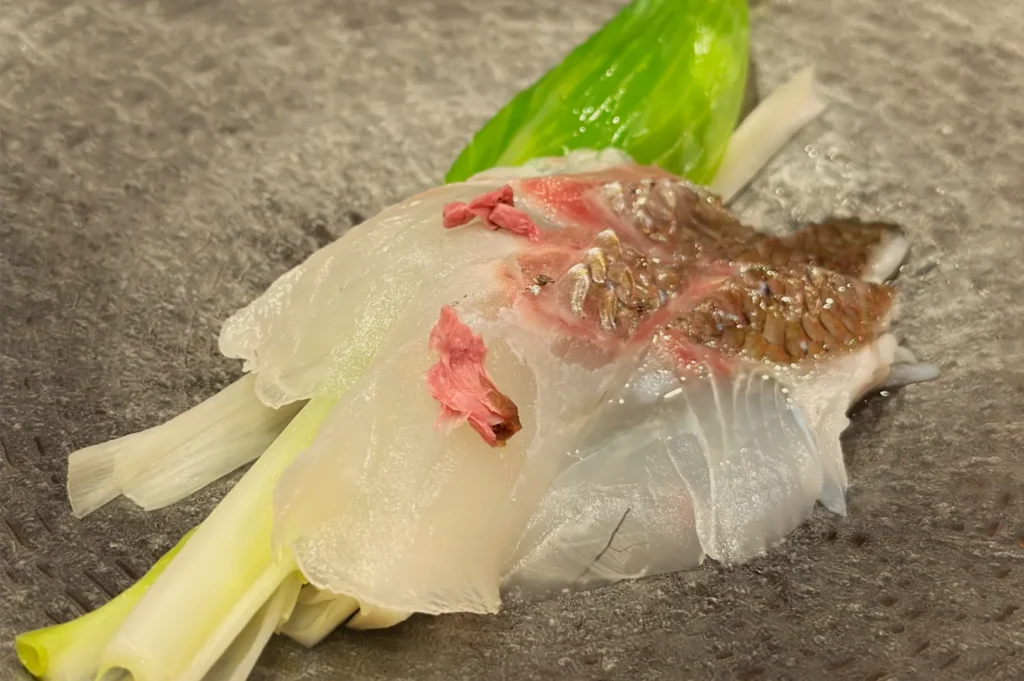
Madai, the Japanese red sea bream, is the undisputed king of white-fleshed fish in Japanese cuisine, and its pairing with sake represents one of the most refined combinations in the omakase tradition. Few fish carry such quiet prestige. Its rosy skin, clean flesh, and gentle sweetness have made it a fish of celebration for centuries, often the first thing placed before a guest.
Here you will learn what makes madai so revered, how it is prepared, and why sake pairing madai has become a considered art. We move through its character, its season, its preparation, and the sakes that sit beside it with grace. If you love the small details that turn a meal into a memory, this one rewards a slow read.
Why Madai Opens the Omakase
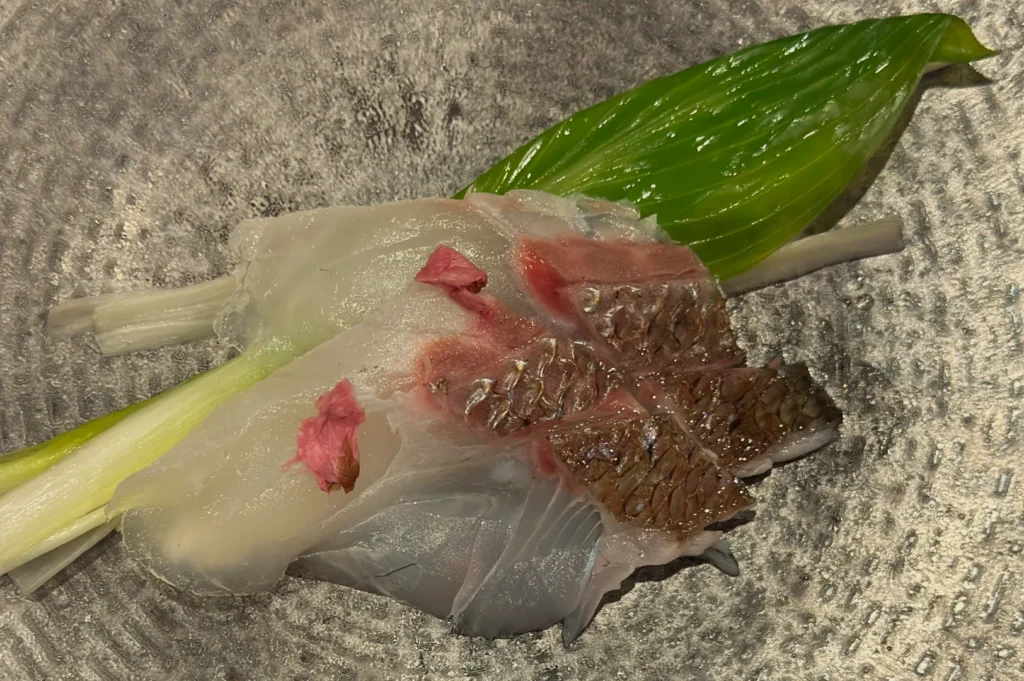
In many omakase menus, madai arrives early. The omakase opening course sets the tone for everything that follows, and a fish of such delicacy asks the palate to slow down.
Madai does not demand attention. It rewards it.
Its flavour is light. Its texture composed. To begin here is to begin with trust. The diner tastes something subtle first, before richer, fattier fish arrive later in the progression. This ordering is not fixed across every counter, and styles shift from region to region, but the logic holds. Start clean. Build slowly.
The Character of Madai
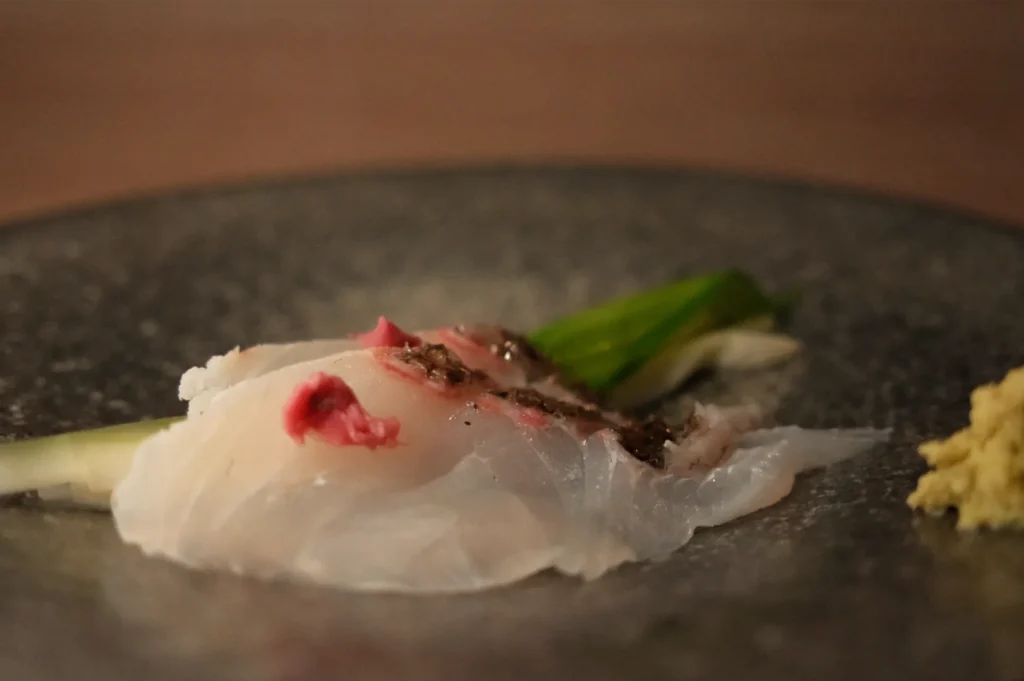
Madai (Pagrus major) belongs to the shiromi, the white-fleshed fish of Japanese cuisine. Its appeal lies in restraint.
A few things define it:
- Low fat content. Madai carries around 5.1g of total fat per 100g, placing it firmly in the lean category.
- Medium-firm texture. The flesh holds a gentle resistance, neither soft nor tough, giving a clean bite.
- Moderate sweetness. A quiet natural sweetness that lingers rather than announces itself.
- Moderate umami. This comes largely from inosinic acid, which develops in the flesh over a short rest.
One detail matters most for pairing. Much of the umami in madai concentrates in the kawashimo layer, the thin band between flesh and skin. Skilled preparation draws this out, and it becomes central to how the fish meets sake.
Wild madai tends to show a firmer texture and deeper colour. Farmed madai, raised with care, offers consistency and reliable quality throughout the year. Both have their place at the counter.
Season: When Winter Sea Bream Shines
Madai is available year-round, yet it has a true season. Peak arrives in winter to early spring, roughly January to March, when the fish is at its finest.
This is the moment many chefs favour. Winter sea bream sake pairings feel especially natural in the colder months, when the fish carries its best condition and the palate welcomes something clean and cool.
Beyond the wild season, aquaculture keeps madai on the menu across the calendar. Much of this farmed fish comes from Ehime and Kumamoto Prefectures, regions known for careful cultivation. If you would like a deeper foundation before the season arrives, it helps to understand how Japanese sake pairs with delicate white fish, as the same principles carry across the year. This means the beauty of Japanese red sea bream sake pairings need not be reserved for winter alone.
Preparation: Coaxing Out the Quiet Flavour
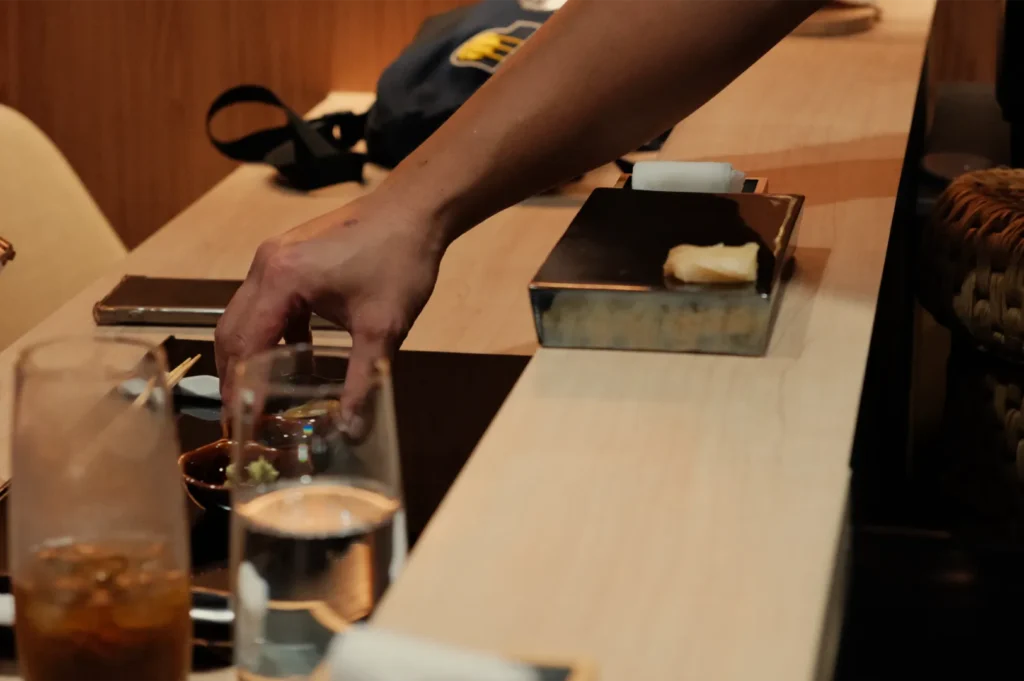
Madai responds to several treatments, each drawing out a different facet of the fish. None is the single correct method. Each reflects the intention of the chef.
Fresh Sashimi
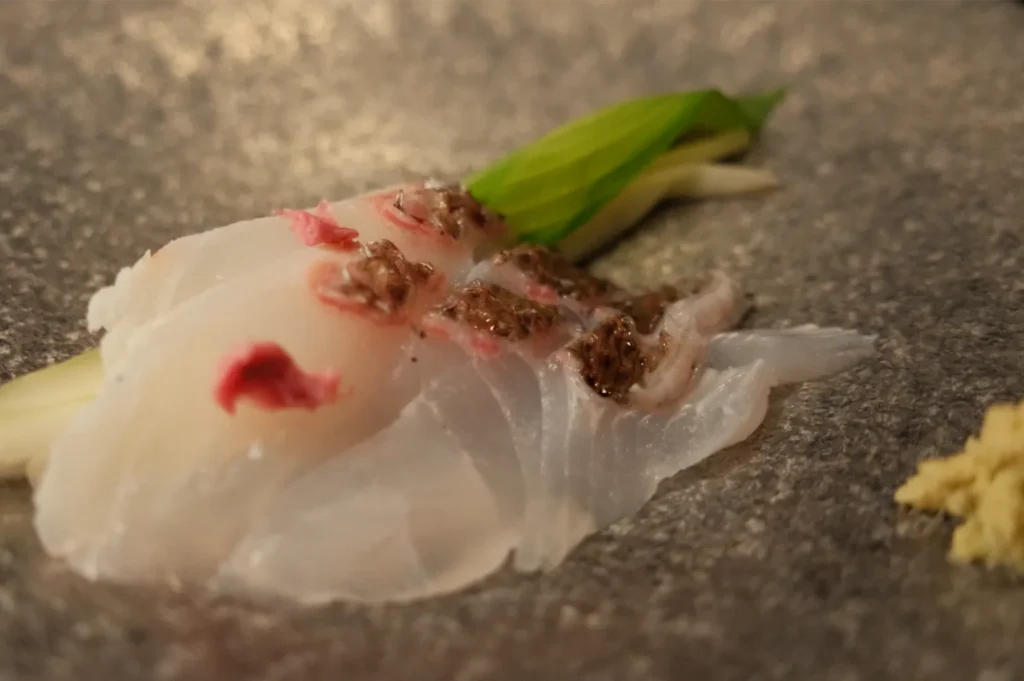
At its simplest, madai is served as sashimi. Thin, clean slices reveal the natural texture and gentle sweetness. A madai sashimi pairing asks for very little beside it, which is precisely the point.
Kawashimo-zukuri
This method honours the umami-rich layer beneath the skin. Boiling water is poured over the skin, then the fish is plunged into ice water to halt the cooking. The skin softens slightly, and the flavour of the subcutaneous layer comes forward.
A kawashimo-zukuri sake match works beautifully, because the technique amplifies the very umami that certain sakes echo.
Kobujime Curing
In kobujime, madai is pressed between sheets of kombu. The kelp firms the texture and infuses the flesh with additional glutamates. A kobujime madai preparation tastes deeper and more layered than fresh sashimi, its umami rounded and full.
Nigiri with Minimal Seasoning
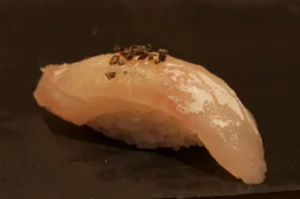
As nigiri, madai sits atop warm rice with only a whisper of seasoning. The restraint respects the fish. For those who might otherwise reach for wine, a madai nigiri wine alternative built around sake often feels more harmonious, as the drink shares the same rice-born character as the rice beneath the fish.
A brief note on ageing. A short overnight rest under refrigeration allows enzymatic activity to develop more inosinic acid, deepening the umami. Time, handled with care, is part of the craft.
Why Madai Loves Light, Crisp Sake
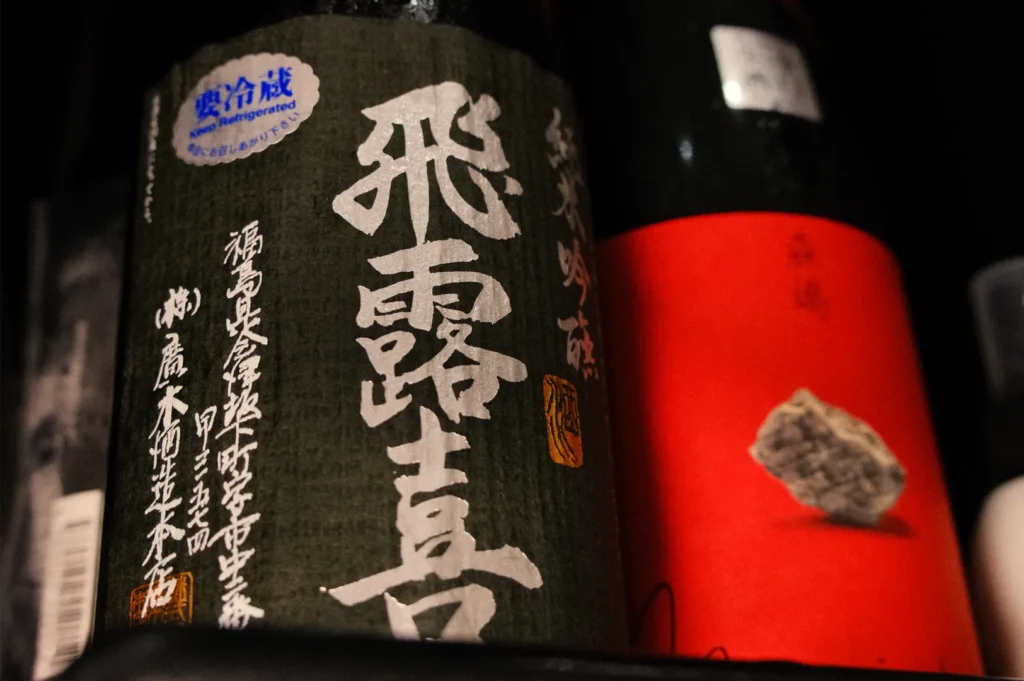
The pleasure of sake pairing madai comes down to balance. The fish is lean and delicate, so it needs a partner that supports rather than overwhelms.
Three qualities guide the match.
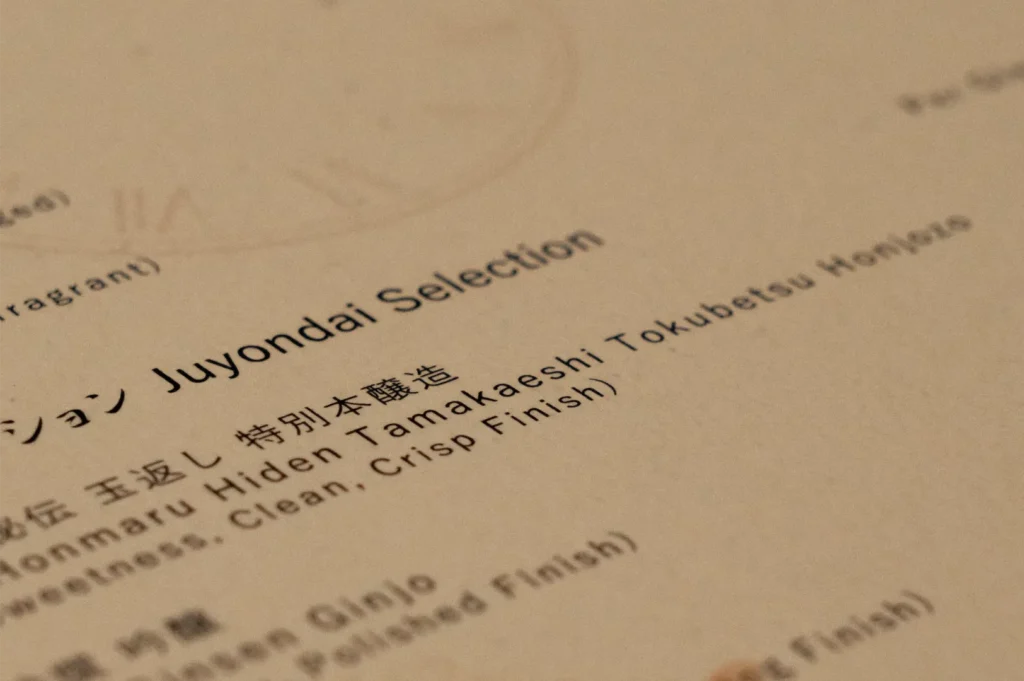
Low fat calls for lightness. With so little fat to cut through, madai suits clean, crisp styles. Junmai daiginjo white fish pairings are a natural fit, as are junmai ginjo sakes. Their precision and gentle aromatics sit beside the fish without crowding it. This is classic Japanese sake territory, where refinement meets refinement.
Umami meets umami. Because madai concentrates savoury depth in the kawashimo layer, it welcomes umami-forward sakes. A sake with a touch of savoury richness can mirror the fish and extend its flavour, especially after kobujime or a short rest.
Sweetness answers sweetness. Madai’s quiet natural sweetness finds an echo in sakes carrying gentle rice sweetness. Nothing cloying. Just a soft resonance that lets both fish and drink feel complete. This is the heart of good shiromi sake pairing, where delicacy is met with delicacy.
Serving: Temperature, Glass, and Progression
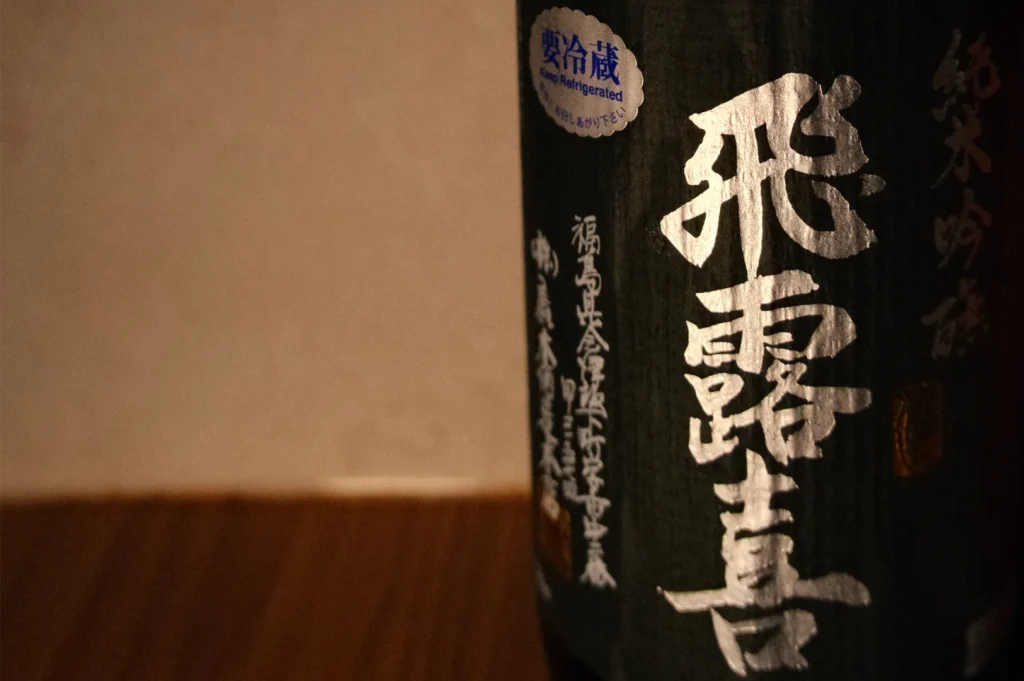
Small choices shape the experience.
Temperature. For madai, a chilled sake tends to serve best. Cool service keeps the sake crisp and lets its clean lines match the fish.
Glassware. A slender, fine-rimmed glass gathers the aromatics and directs them gently. The vessel need not be ornate. It simply needs to let the sake speak.
Progression. Within an omakase, madai and its sake usually appear early. Serving a light, crisp sake here leaves room for fuller styles to follow as richer fish arrive. The meal builds, course by course, and the opening pairing sets the pace.
A Pairing Rooted in Trust
At its finest, sake pairing madai is less about rules and more about listening. A lean, gently sweet fish. A clean, considered sake. Two quiet things that make each other clearer.
The beauty lies in restraint. When you experience omakase at Sushi Masa, the pairing is not a performance. It is a conversation between fish, rice, and drink, unfolding at its own pace. Begin with madai and a crisp glass, and you begin with presence. Everything that follows flows from that first, calm moment.
Frequently Asked Questions
What Kind of Sake Pairs Best with Madai?
Light, crisp styles tend to suit madai best. Junmai ginjo and junmai daiginjo are natural partners, as their clean lines match the fish’s lean flesh. Umami-forward and gently sweet sakes also work well, especially with kobujime or lightly aged madai.
Should Sake Be Served Warm or Cold with Madai?
Chilled sake is usually the better choice with madai. Cool service keeps the sake crisp and preserves its delicate aromatics, allowing it to sit alongside the fish without overpowering its subtle sweetness and clean texture.
Why Is Madai Often Served at the Start of an Omakase?
Madai’s delicate flavour and lean profile make it an ideal opening. Beginning with something light and clean lets the palate settle before richer, fattier fish arrive later. Ordering does vary between chefs and regions, but starting gently is a common and considered approach.