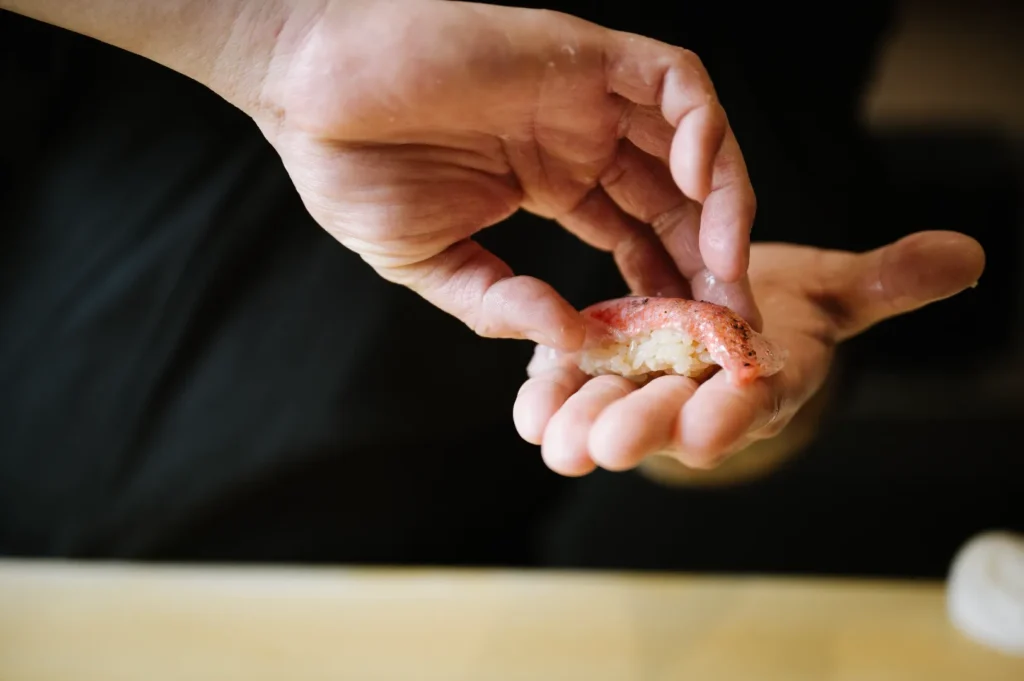
When people think about what makes sushi exceptional, the mind tends to drift towards fatty fish, glistening cuts of toro, or the freshness of seafood flown in from Toyosu. Yet ask any sushi chef worth their salt, and they will tell you that the real soul of sushi lies somewhere quieter: the rice. Shari, the vinegared rice that forms the foundation of every piece of nigiri sushi, is often the most overlooked element of the entire experience.
At Sushi Masa by Ki-Setsu, we believe that shari sushi rice is not a supporting actor but a co-star, deserving just as much attention, patience, and precision as the fish it carries. Explore why sushi rice matters so deeply in the Edomae tradition, what separates good sushi rice from truly great sushi rice, and how the delicate balance between rice, vinegar, and seafood defines the best omakase Singapore experience.
The Quiet Importance of Shari in Japanese Cuisine
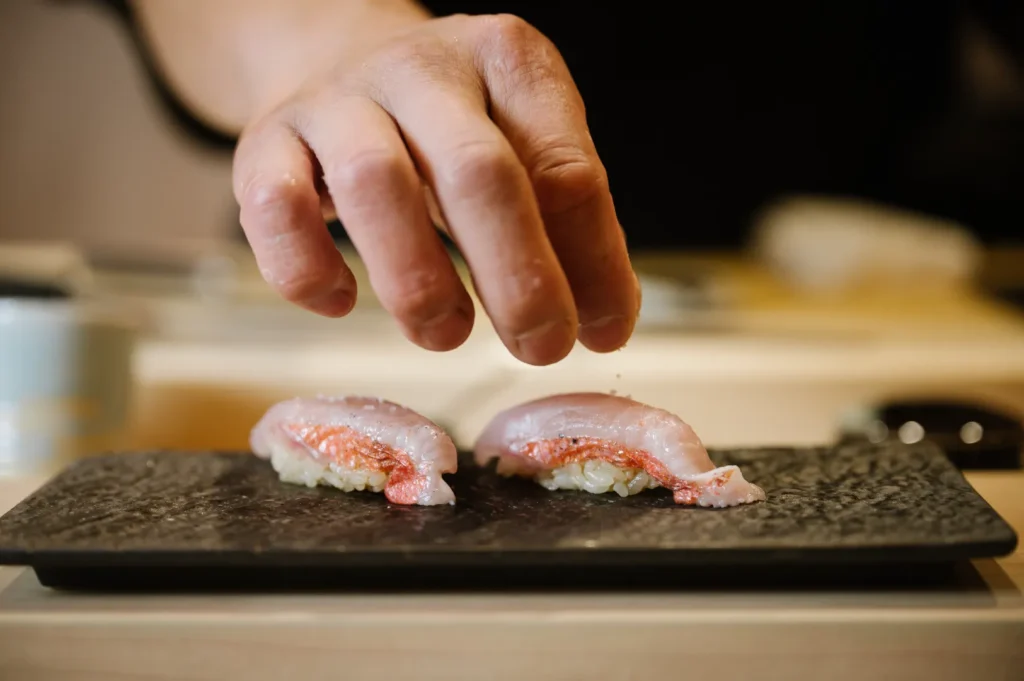
In Japan, shari is treated with a reverence that might surprise newcomers to sushi culture. While diners often focus on the fish, seasoned sushi chefs spend years perfecting their rice before they are even allowed to touch the seafood. This is because sushi rice is the canvas upon which every other flavour is built. If the rice is wrong, even the finest cut of fish will struggle to shine.
The texture, temperature, and seasoning of the rice all play a role in how a piece of nigiri sushi performs on the palate. Rice that is too firm distracts from the fish. Rice that is too soft falls apart before it reaches the mouth. This delicate balance is why, at our counter, the preparation of rice is treated as a craft in its own right, guided by Chef Masa’s years of training in the Edomae style.
What Makes Sushi Rice Different from Regular Rice
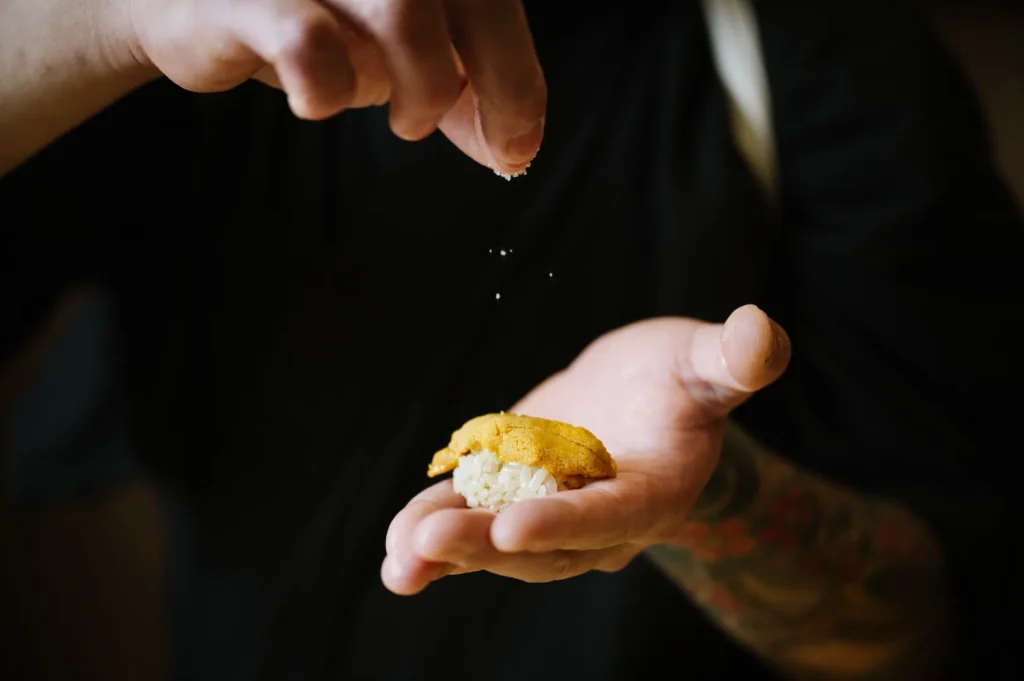
Sushi rice is not simply white rice served alongside fish. It is a carefully selected variety of Japanese rice, prized for its stickiness, mild flavour, and ability to hold its shape while still yielding gently to the bite. Unlike regular rice used in everyday cooking, sushi rice requires a different approach from the moment it enters the kitchen.
The journey begins long before the rice touches a rice cooker. Grains must be rinsed repeatedly until the water runs almost clear, removing excess starch that would otherwise make the cooked rice gummy rather than pleasantly sticky. Many home cooks underestimate this crucial step. Soaking the rice for 20 to 30 minutes before cooking ensures the rice grains absorb water evenly, helping achieve the right texture.
Choosing the right rice variety matters as much as the technique. Japanese short grain rice is preferred over long grain varieties because of its higher starch content, which gives sushi rice its signature texture. Some chefs experiment with cook brown rice for health-conscious variations, though traditional Edomae sushi almost always relies on white rice for its purity of flavour and texture.
The Role of Vinegar in Creating Shari
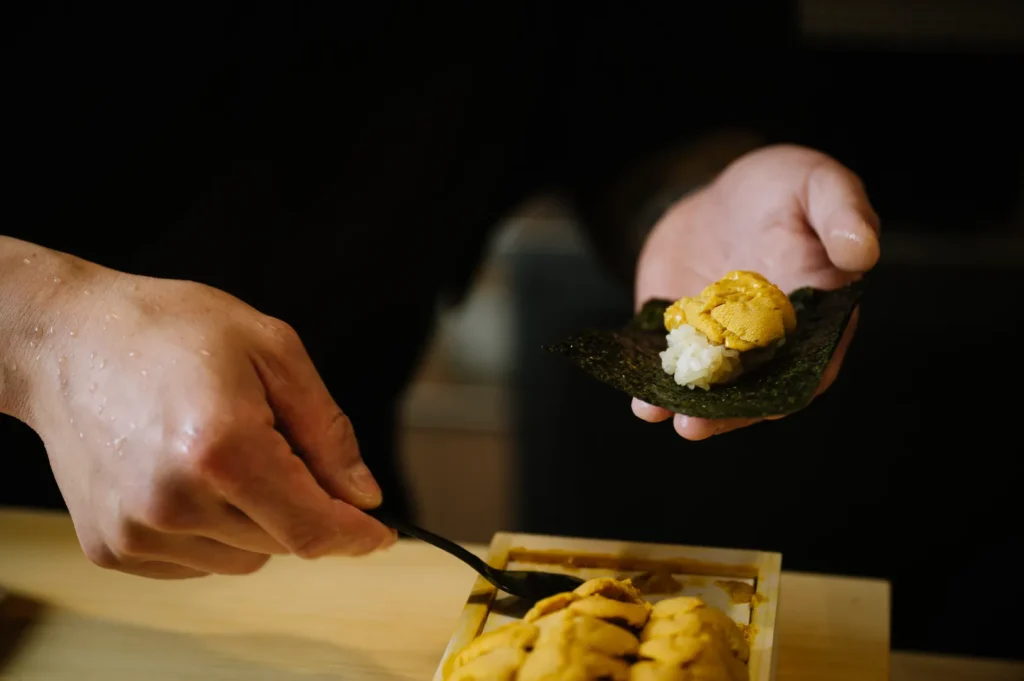
If rice is the body of sushi, then vinegar is its spirit. The transformation from plain freshly cooked rice into shari happens through the addition of sushi vinegar, a carefully balanced vinegar mixture that typically combines rice vinegar, sugar, and salt. This mixture, known in Japanese as sushi zu, is what gives sushi rice its distinctive tang and helps preserve the rice while enhancing its natural sweetness.
Crafting the perfect vinegar mix is far more nuanced than it sounds. The proportions of vinegar, sugar, and salt must be calibrated to complement the fish being served that evening. A common ratio is 5 parts rice vinegar to 2 parts sugar to 1 part salt. Cane sugar is often preferred as it enhances the flavour depth. The sugar dissolves fully when mixed into the hot rice, ensuring the seasoning is evenly distributed.
Some traditional recipes call for red vinegar, made from aged sake lees, which lends a deeper, more complex flavour compared to standard rice vinegar. Red vinegar was historically favoured in old Edomae sushi making, prized for the way it interacts with the natural oils of fish.
At Sushi Masa by Ki-Setsu, the use of quality vinegar reflects the same philosophy that guides every other ingredient on the counter, that nothing is included simply out of habit. Every choice, from the soy sauce offered to guests to the type of vinegar folded into the rice, is made with intention, reflecting our broader commitment to Edomae craftsmanship and quality sourcing from Toyosu.
How Chef Masa Approaches the Art of Making Sushi Rice: Shari
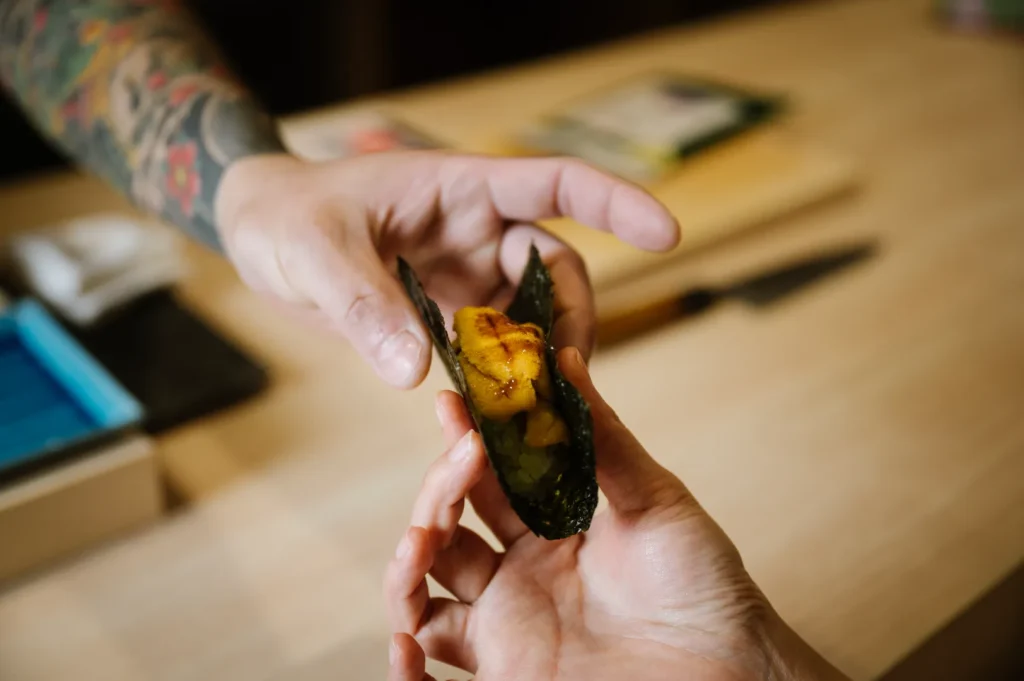
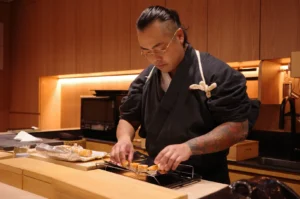
What separates a true sushi chef from someone simply following a recipe is not the steps themselves but the judgement applied at each one. Anyone can be told to cut rather than stir, or to wait for rice to cool before shaping it, yet knowing precisely when the rice has reached that moment, by feel, by sight, by the way it catches light in the wooden tub, takes years to develop. This includes assessing how the rice cooker cup measurement affects water absorption and ensuring the rice evenly cooks to avoid excess water in the final product.
Chef Masa treats this instinct as inseparable from skill with a blade, since rice that is shaped a moment too early or too late changes how the entire piece of nigiri sushi performs in the mouth. This is also why no two batches of shari sushi rice are ever treated identically. Humidity in the air, the age of the rice, even the residual warmth or heat of the kitchen that evening all influence small adjustments made instinctively rather than mechanically.
At Sushi Masa by Ki-Setsu, this attentiveness is what turns a technical process into a craft, ensuring that the rice presented each evening is shaped not from habit, but from genuine attention to how that day’s seafood deserves to be served.
| Step | Description | Key Details |
|---|---|---|
| Rice to Water Ratio | Use 1 part rice to 1 part water to avoid excess moisture and maintain texture | Precise measurement prevents mushiness |
| Cooking and Transferring Rice | Cook rice until steaming hot, then swiftly transfer to a wooden tub or large bowl | Wooden tub absorbs excess moisture and allows rice to cool evenly |
| Mixing Vinegar into Rice | Fold vinegar mixture into hot rice with a careful cutting motion, not stirring | Preserves grain integrity and ensures even seasoning distribution |
| Temperature Control | Cool rice to close to body temperature before shaping nigiri | Damp cloth or plastic wrap retains warmth without trapping steam, preventing overcooking |
Using a rice paddle to gently fold the seasoned rice helps maintain the integrity of each grain, while cooling to the ideal temperature ensures the shari complements the fresh fish perfectly. This meticulous approach reflects the standards found in high end sushi restaurants and sushi restaurants across Japan, where the balance of taste, texture, and temperature is paramount.
Why Great Sushi Rice Requires Patience, Not Just a Recipe
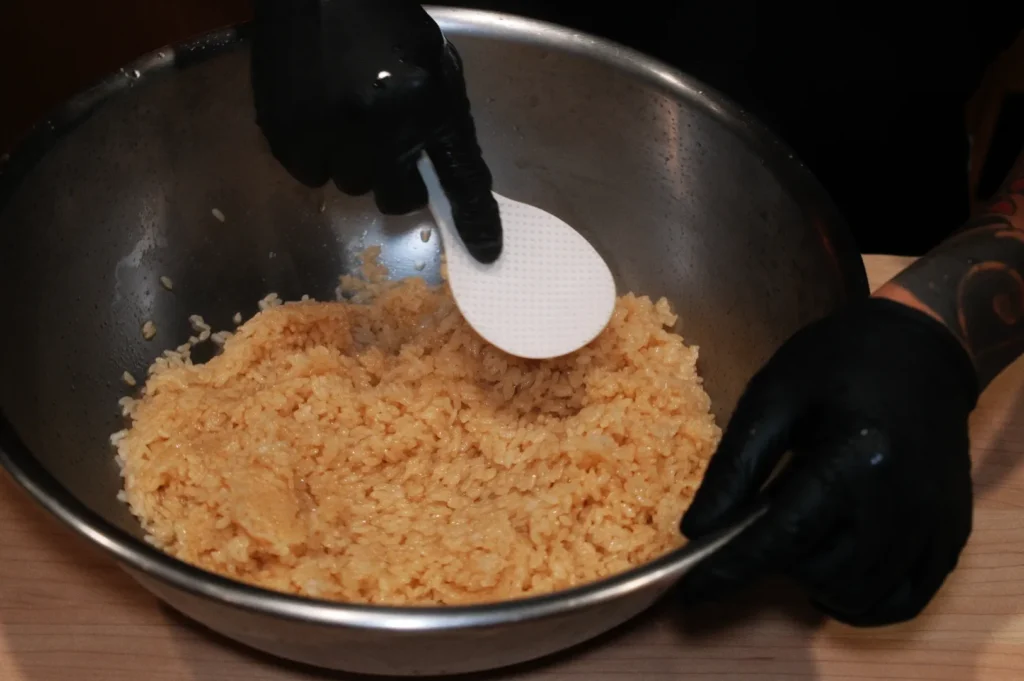
It would be convenient to believe that great sushi rice comes down to a fixed recipe, a set ratio of rice, vinegar, sugar, and salt that anyone could follow. In reality, the process demands constant adjustment. Soft water, room temperature, humidity, and even the age of the rice itself can all influence how it absorbs the vinegar mixture. A recipe that produces perfect sushi rice in one season might need slight refinement in another.
This is part of why omakase dining allows for a level of attentiveness that other formats simply cannot offer. Because Chef Masa prepares each course with direct awareness of the rice, the fish, and how the two are meant to interact that evening, adjustments can be made in real time rather than relying on a static formula. The rice served is never an afterthought. It is shaped, quite literally, around what the seafood requires that day.
This is also why mass produced or hurried approaches to shari rarely succeed in capturing what makes great sushi memorable. Scattered sushi, sometimes served in casual settings, may use simpler preparations of vinegared rice, but the meticulous balance found in traditional Edomae nigiri demands far more precision.
The Relationship Between Rice and Fish on the Sushi Counter
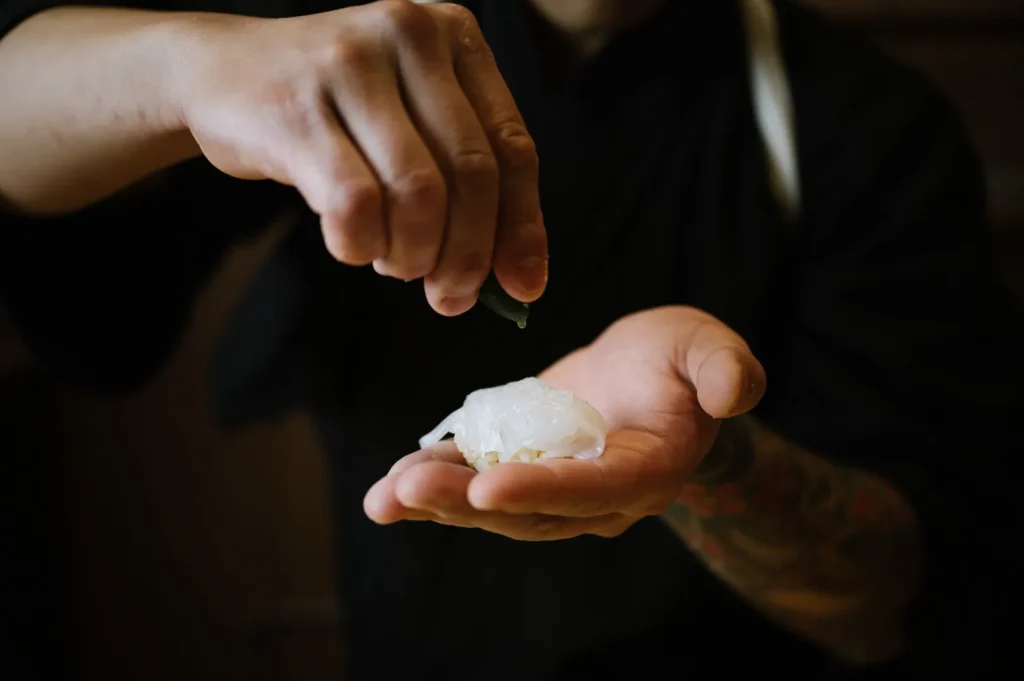
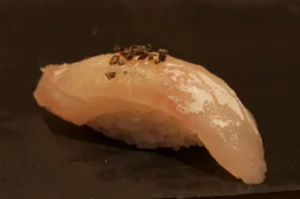
A common misconception is that the fish does all the work in sushi, with rice serving merely as a vehicle. In truth, the sushi counter is a stage where rice and fish are in constant dialogue. The temperature of the rice gently warms the fish just enough to release its natural oils and aromas. The slight acidity of the vinegar cuts through richness, particularly with fatty fish, balancing flavours that might otherwise feel heavy on the palate.
This is why experienced sushi chefs adjust the size and shape of the rice slightly depending on the fish being served.
- A delicate piece of white fish might call for slightly less rice, allowing its mild flavour to remain centre stage.
- A richer cut may be paired with rice that carries a touch more vinegar, helping to refresh the palate between bites.
These decisions happen in seconds at the counter, yet they are the result of years spent understanding how rice and fish are well suited to one another.
At Sushi Masa by Ki-Setsu, this relationship is central to how each omakase course is composed. Chef Masa does not view rice and fish as separate components plated together, but as a single, considered dish, built piece by piece throughout the evening.
What to Notice the Next Time You Enjoy Sushi
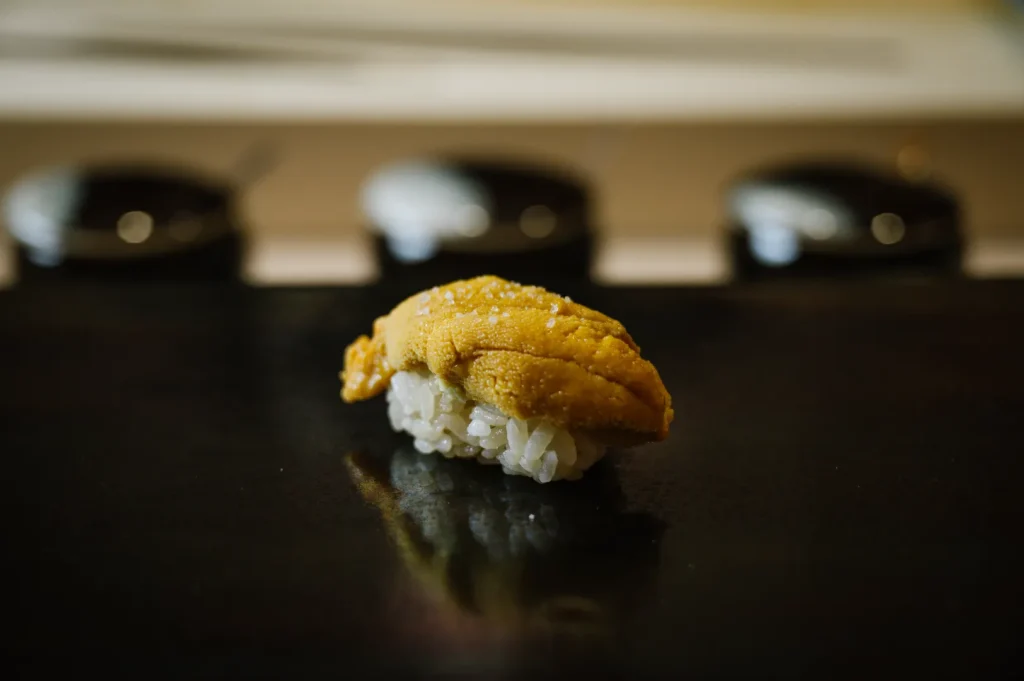
For those new to omakase, it can be helpful to pay closer attention to the rice itself during the next meal. Notice whether the rice grains hold together gently without feeling compressed. Notice whether the temperature feels close to body temperature rather than cold or overly warm. Notice the subtle tang of the vinegar, present but never overpowering the fish.
These small details are often what separate forgettable sushi from something truly delicious. They are also a quiet indicator of the care taken behind the counter, long before any fish was sliced. A kitchen that takes the time to perfect its rice is, more often than not, a kitchen that takes the same care with every other element of the meal.
At Sushi Masa by Ki-Setsu, we hope every guest leaves with a slightly deeper appreciation for what shari represents within Japanese culinary tradition. It is not simply rice, but a crucial step, a quiet expression of discipline, balance, and respect for all the ingredients that defines what omakase, done properly, should feel like.
We invite you to experience this dedication to craft firsthand. Join us for an evening, where Chef Masa’s omakase brings together meticulously sourced seafood and carefully prepared shari in a dining experience built entirely around balance and intention.