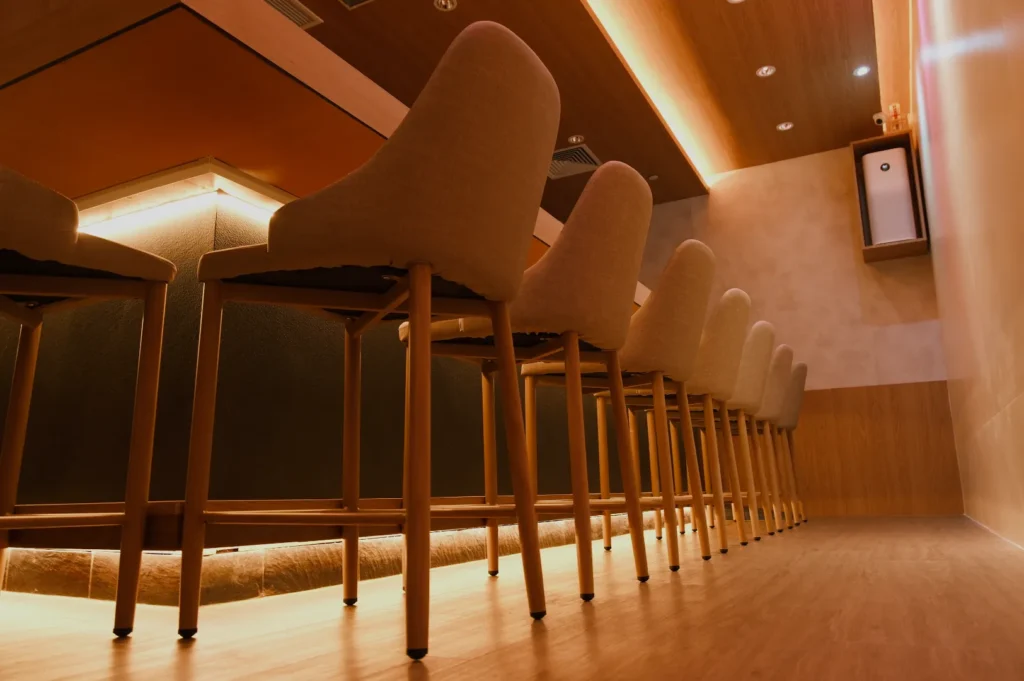
Eight seats. One chef. No place to hide.
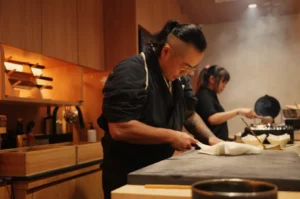
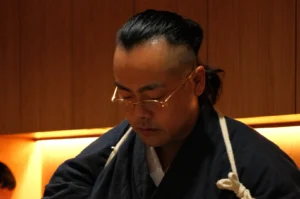
At Sushi Masa by Ki-Setsu, the counter holds only eight guests. Tucked quietly into Cuppage Plaza, there is no wall between kitchen and table, no distance to dress up the work. You watch Chef Masa at Cuppage Plaza from an arm’s length away. Every movement is visible. Every choice is felt.
This is the quiet truth of a small counter. The discipline is not hidden backstage. It sits in plain view, course by course, and it began long before you arrived.
What You Don’t See Before Dinner
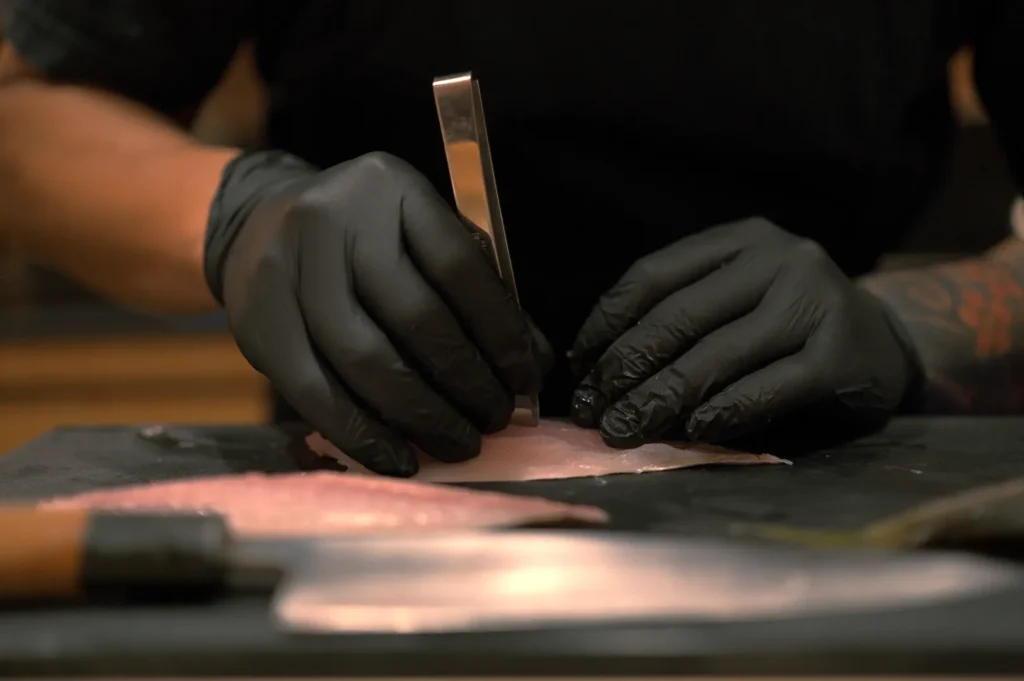
Long before the first guest is seated, the work is already underway.
Seafood arrives, and the first task is judgement. Chef Masa checks each piece by sight, scent, and touch. He looks for clean sea-air, for firm flesh, for lustre that holds the light. Nothing moves forward until it earns its place.
This is not glamorous work. It is repetition. The same checks, the same standards, night after night. That steadiness is the point.
A few things happen quietly in these hours:
- Seafood is inspected and sorted by how it will be used
- Each type rests at the temperature that suits it best
- Rice is washed, cooked, and seasoned with care
- Knives are readied for the slicing to come
None of this reaches the menu as a headline. Yet all of it shapes the meal you taste.
Temperature: The Invisible Ingredient
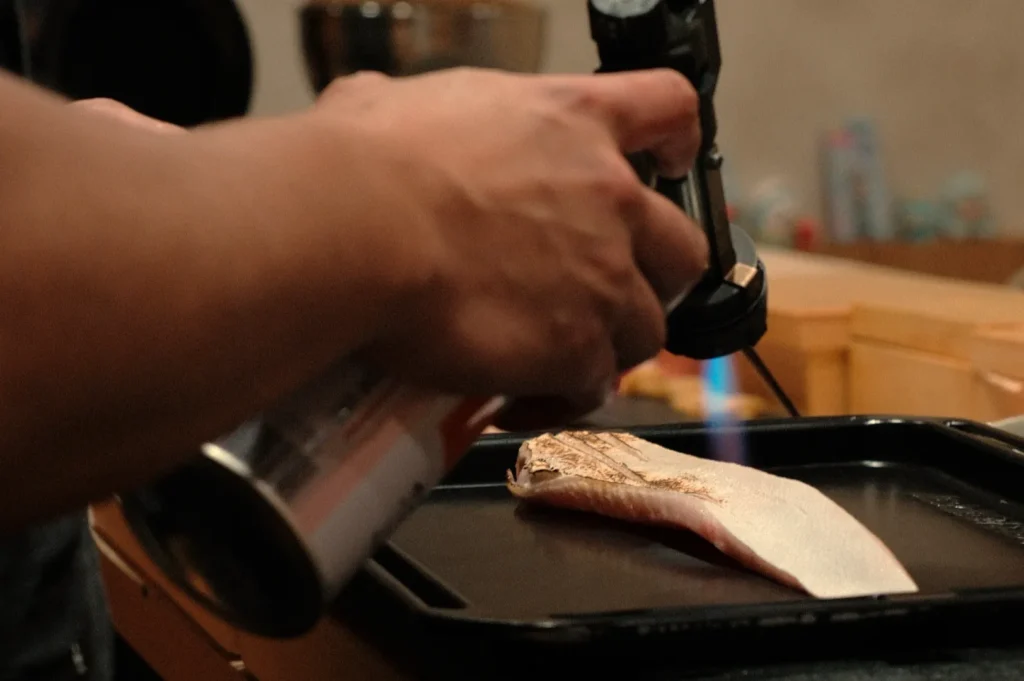
Fish has a moment. Too cold, and its flavour closes. Too warm, and its texture slips.
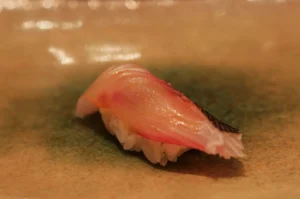
Much of the discipline behind omakase lives in this narrow window. Chef Masa manages temperature with patience, letting each ingredient reach the point where it speaks clearly. Some seafood is served cool and clean. Some is warmed to release its natural oils.
The guest rarely notices the control itself. You notice the result, a slice that feels exactly right in the mouth. That rightness is not luck. It is attention repeated until it becomes instinct.
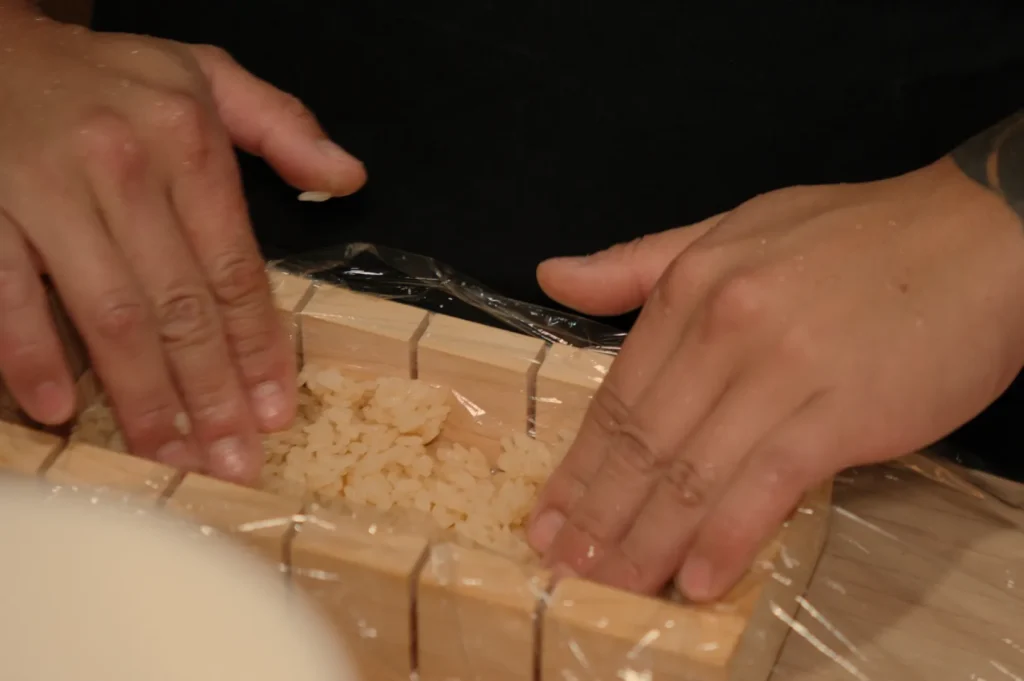
Ask many diners about sushi, and they speak of the fish. Ask a serious chef, and the conversation often turns to rice.
Rice is the foundation of every piece. Its warmth, its seasoning, the way each grain holds together yet gives way, all of it must meet the fish as an equal partner. At Sushi Masa, the rice is prepared with the same seriousness as anything from the sea.
Get the rice wrong, and the finest fish falters. Get it right, and the whole piece finds balance. This is why the unseen work matters so much.
The Knife, Up Close
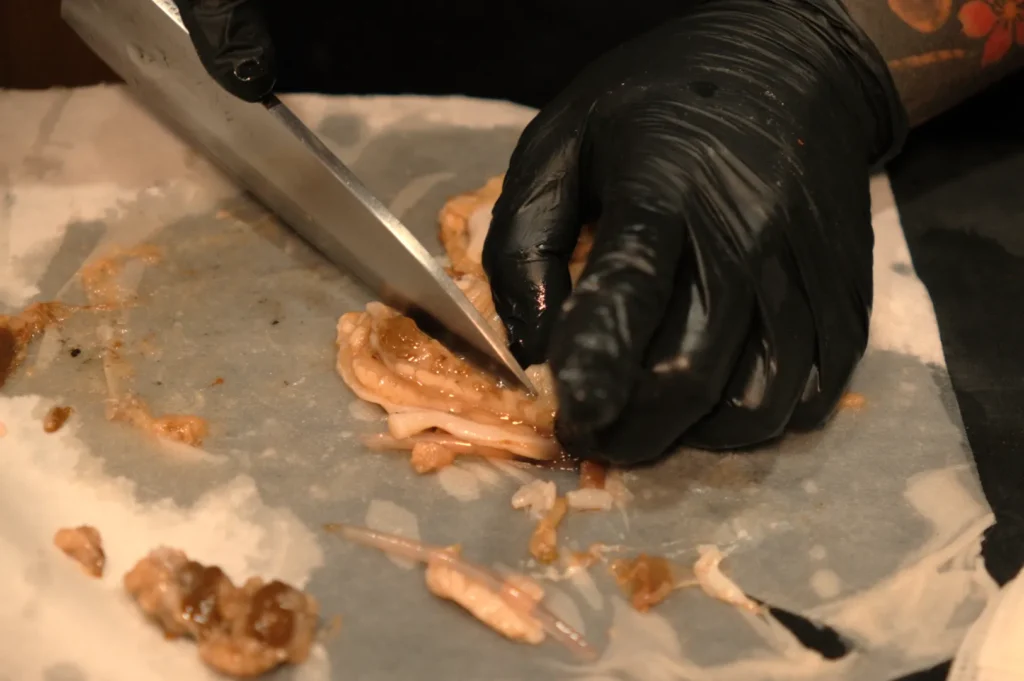
At an eight-seat counter, you see the slicing happen.
Chef Masa works with economy. No wasted gestures, no flourish for its own sake. A single clean draw of the blade shapes each cut. The angle, the pressure, the thickness, these are decisions made in a breath, guided by years of practice.
Slicing looks simple from the outside. It is anything but. The way a fish is cut changes how it feels and how its flavour opens. Restraint here is a form of mastery. The chef does only what the ingredient needs, and nothing more.
Pacing the Meal, Reading the Room
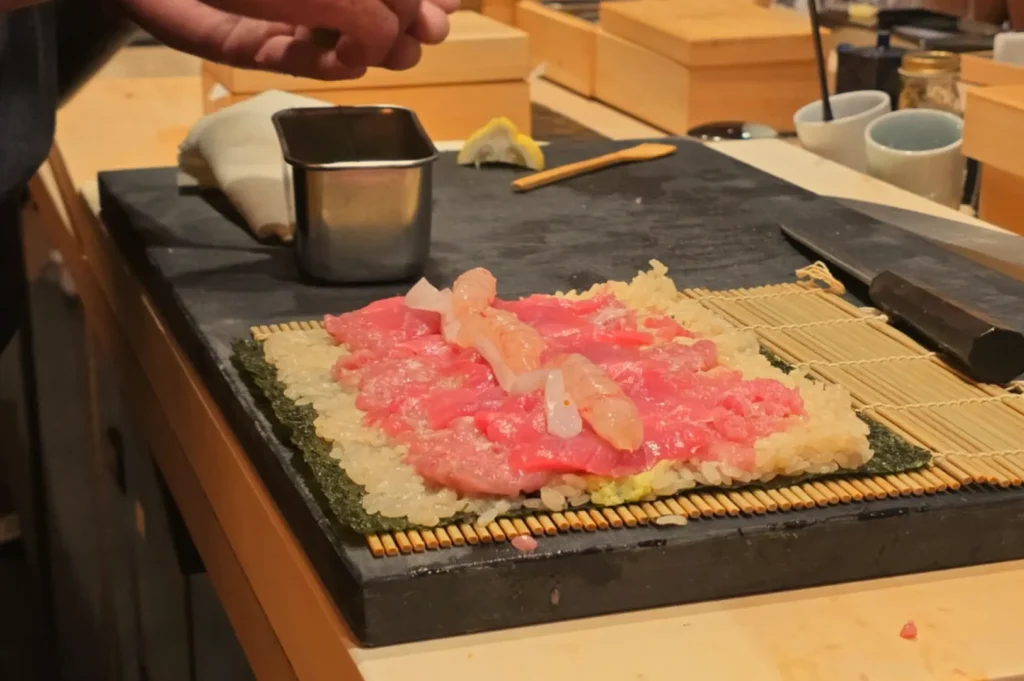
Omakase is not a fixed script. It moves.
Chef Masa at Cuppage Plaza paces the courses by watching. He notices when a guest is ready for the next piece and when a pause serves better. The rhythm shifts from cool and light to warm and rich, then settles again. Nothing rushes. Nothing drags.
This pacing is quiet choreography. In a larger room, it would be impossible. At the Cuppage Plaza counter of eight, Chef Masa can read each guest and adjust in real time. That closeness is the gift of the small space, you are not part of a crowd. You are part of the conversation.
Calm as a Craft
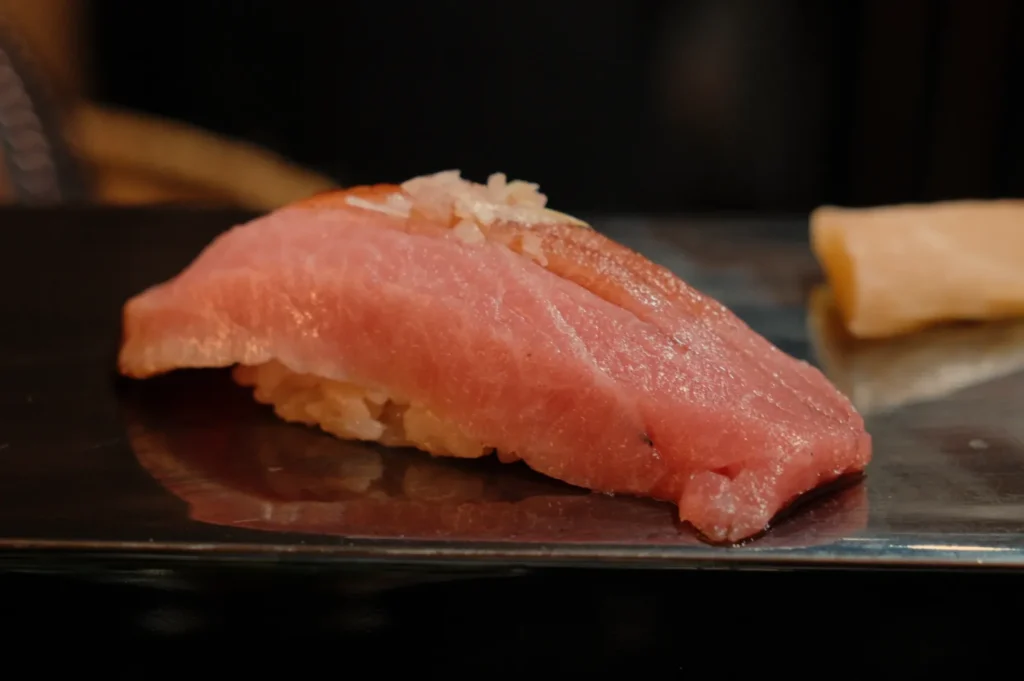
Perhaps the hardest discipline to see is composure.
Service brings pressure. Timing tightens, guests arrive, courses must land in sequence. Through it all, Chef Masa holds a steady focus. The calm is not accident. It is built, the same way the knife work is built through repetition until the difficult becomes natural.
That stillness sets the tone for the whole room. When the chef is calm, the guests slow down too. The meal becomes less a performance and more a shared quiet.
Why the Small Counter Matters
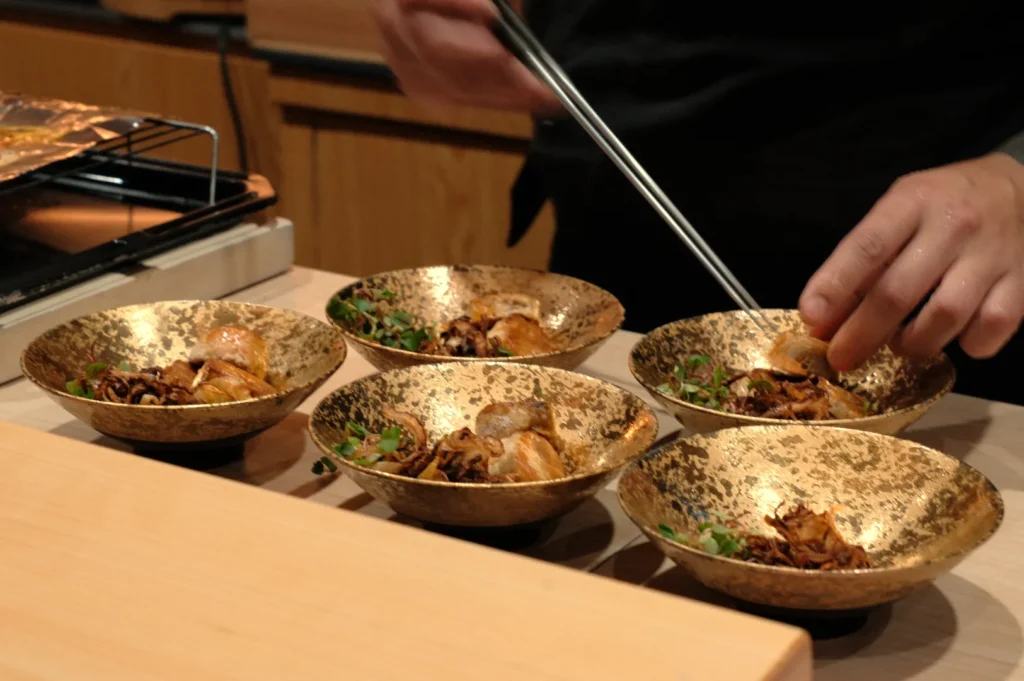
Sushi Masa is dinner-only and seafood-focused, tucked into Cuppage Plaza near Orchard Road. Its size is deliberate.
Eight seats mean the discipline cannot hide. You see the checking, the slicing, the pacing. You feel the care that most restaurants keep behind closed doors. The intimacy turns a meal into an experience of trust, you watch Chef Masa, and you understand it.
Here is what the counter teaches, in a single line: great sushi is less about spectacle and more about repeated, honest work done well.
The next time you sit at an omakase counter, watch the hands. Notice the pauses. The best of the craft often lives in what looks effortless, because someone made it that way, one night at a time.