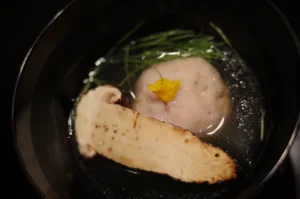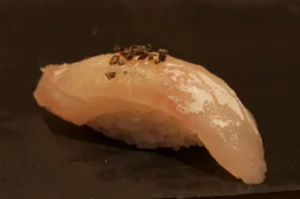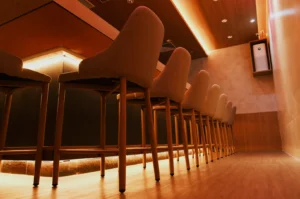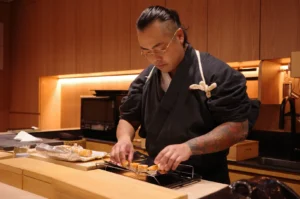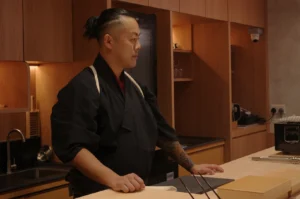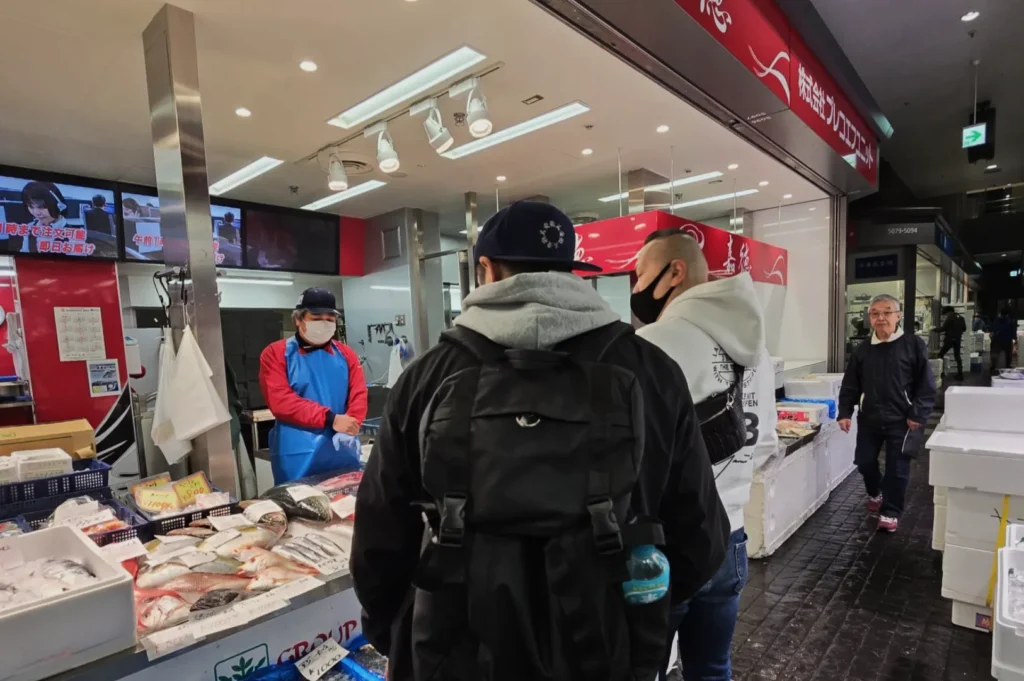
There is a moment, just before an omakase Singapore dinner begins, when everything on the counter looks almost too considered to be accidental. The gleam of fresh fish, the precise cut of seasonal tuna, the quiet confidence in how each ingredient has been placed. What most guests do not see is the journey that brought those ingredients to the counter, a journey that begins long before the evening service, in the pre-dawn bustle of Toyosu Market in Tokyo.
At Sushi Masa by Ki-Setsu, our commitment to Edomae-inspired omakase means sourcing only what is freshest and most responsibly handled. That philosophy begins at the source, and the source, for us, is always Toyosu.
What Makes Toyosu Market the Heart of Japan’s World of Fresh Fish
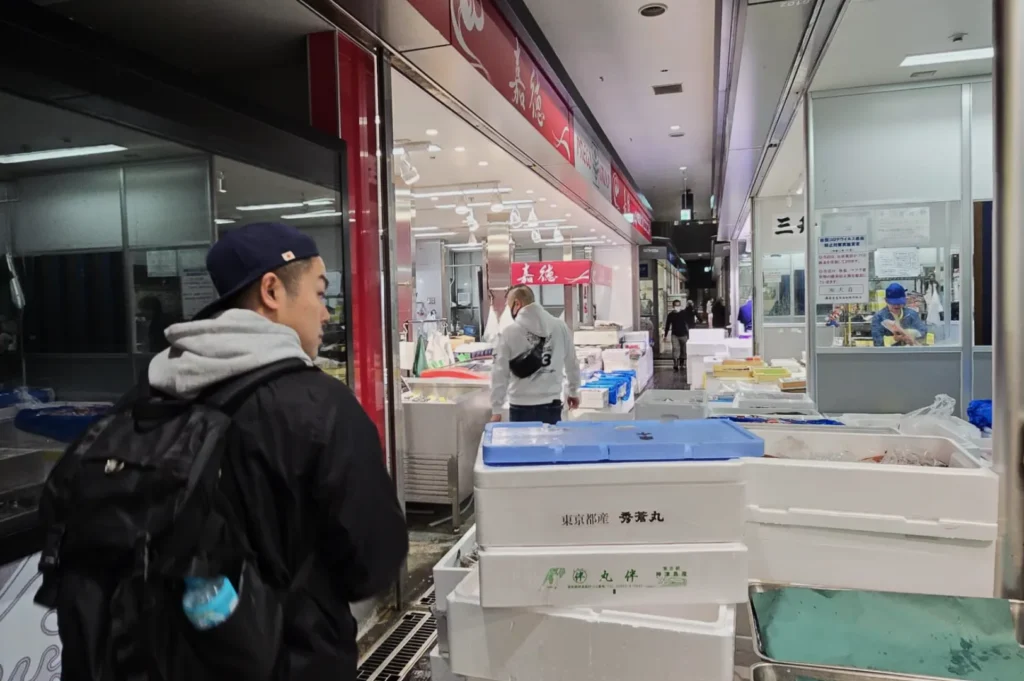
Toyosu Market, located on reclaimed land in Koto City along the edge of Tokyo Bay, is the largest fish market in Japan and in the world. It replaced the beloved old Tsukiji market in October 2018, taking on the role of Japan’s central hub for fresh fish, fresh seafood, and fresh produce. At 40.7 hectares, roughly 1.7 times the area of the former Tsukiji Market, it stands as the biggest fish market in the world.
The Three Main Buildings
The market is structured across three main buildings, each serving a distinct function, along with a Management Facilities Building that supports operations across the complex:
| Building | Primary Function |
|---|---|
| Fisheries Wholesale Market Building | Handles the bulk of marine products, including the tuna auction |
| Fisheries Intermediate Wholesale Market Building | Connects licensed traders with sushi restaurants and other buyers |
| Fruit and Vegetables Building | Manages fresh produce sourced from across Japan and overseas |
Over 600 merchants from Tsukiji Market made the move to Toyosu Market, ensuring continuity and preserving the market’s rich culinary heritage. The relocation was driven by the need for modern facilities and improved food safety standards, as Tsukiji struggled with aging infrastructure and hygiene concerns. Toyosu Market also features rooftop gardens and solar panels, promoting energy efficiency and offering visitors views of the Tokyo Bay waterfront.
Together, these main buildings form an ecosystem that feeds some of the most respected sushi restaurants and omakase counters in the world. As noted by Rubbish Eat Rubbish Grow, “The heart of omakase is always its peak seasonal produce, with restaurants typically sourcing ingredients directly from Japan, mainly from Toyosu Market.” Toyosu Market handles a wide variety of seafood, including tuna, shellfish, and seasonal fish from Japan and abroad, cementing its reputation as a global seafood hub and a cultural landmark among Tokyo’s historic sites.
A City That Opens Early
For those who have not visited, picture a city within a city. Open early each morning from 5 a.m., Toyosu operates on a schedule most of the general public never experiences firsthand. Buyers arrive before sunrise, selections are made with remarkable speed and precision, and by the time many establishments in Tokyo are opening their doors, the finest fresh fish in the market have already been claimed. Most shops and stalls begin winding down well before midday.
The Legacy of the Old Tsukiji Market and What Changed
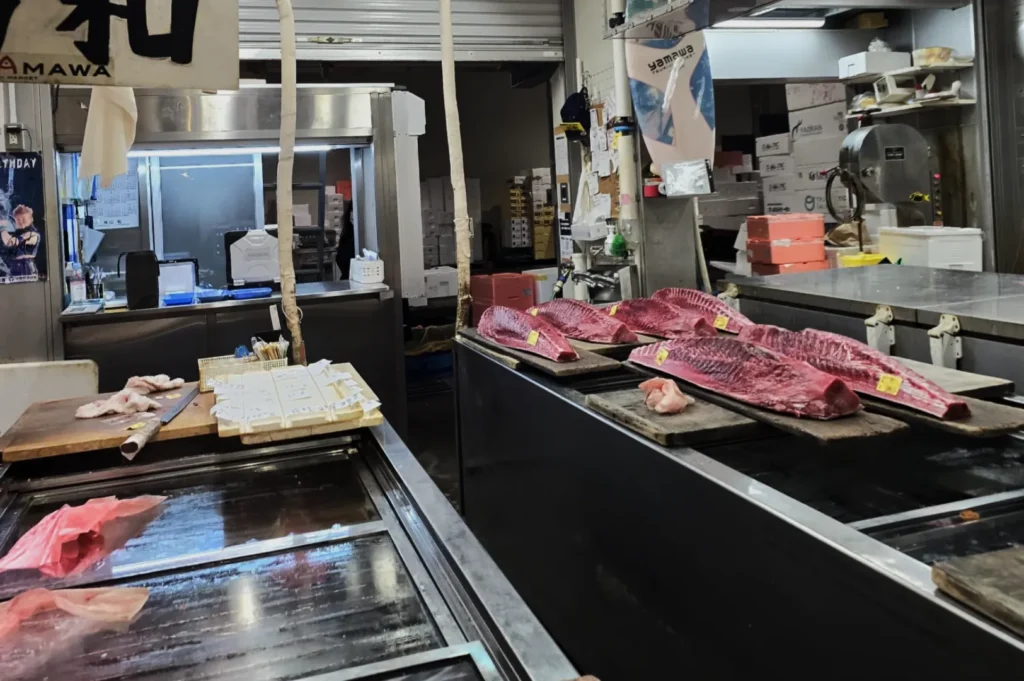
To understand why Toyosu Market commands such reverence among serious omakase restaurants, it helps to know what came before it. The old Tsukiji market served Tokyo for over eight decades, operating as Japan’s central fish market from 1935 until its wholesale operations transferred to the new Toyosu market in October 2018. For generations of chefs, buyers, and suppliers, Tsukiji was not merely a marketplace. It was the living institution around which Japan’s seafood culture was organised.
Why the Move Was Necessary
The old Tsukiji market was known for its open-air layout and lively atmosphere. Thousands of transactions occurred daily across its central Tokyo waterfront site, with licensed traders, wholesalers, and restaurateurs moving swiftly through narrow lanes. But Tsukiji lacked the modern infrastructure required for today’s food safety standards. As Japan’s seafood trade grew, so did demands for better hygiene, temperature control, and traceability.
The Tokyo Metropolitan Government chose Toyosu, on reclaimed land in Koto City along Tokyo Bay, to meet these needs. Though many workers and chefs felt deeply attached to Tsukiji, the move to Toyosu preserved the integrity of the fish itself. Enclosed handling areas, improved cold-chain management, and stricter grading across the fisheries wholesale and intermediate wholesale market buildings all enhanced the quality of fish reaching premium restaurants.
For Edomae omakase chefs like Chef Masa at Sushi Masa by Ki-Setsu, this quality assurance is fundamental to crafting a seasonal, seafood-only omakase with confidence each evening.
The Tuna Auction and Why It Matters to Omakase
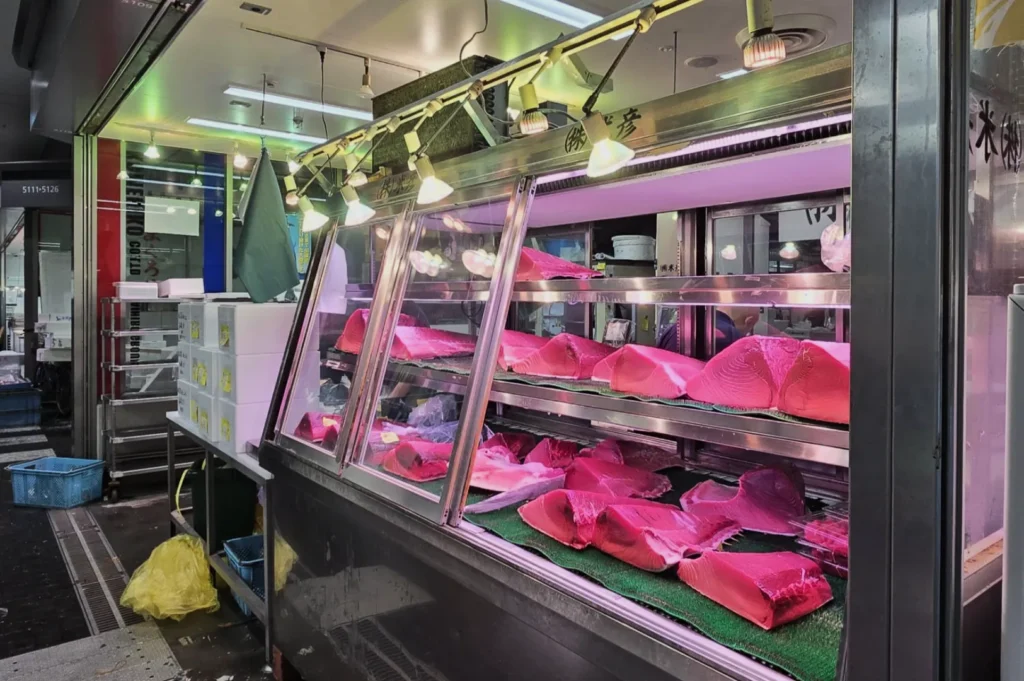
One of the most celebrated rituals at Toyosu Market is the tuna auction, held daily from approximately 5:30 a.m. to 6:30 a.m. in the fisheries wholesale market building. Licensed buyers inspect rows of large bluefin tuna, each graded for fat content, colour, texture, and origin. The bidding is swift, and the results determine which restaurants and suppliers receive the most prized cuts.
How to Watch the Tuna Auction
Visitors can observe from two distinct vantage points:
Upper-floor observation windows — open to the general public on market days, these corridor windows look down into the auction hall. No ticket required.
Lower-floor observation deck — an intimate spot close to the auction floor, separated from the action by a single pane of glass. Access is granted by lottery only; applications must be submitted in advance through the Tokyo Metropolitan Government’s official site. Those not selected can still watch auctions from the visitor’s walkway on the upper floor.
Applications typically open for about ten days each month for the following month’s dates.
More Than a Transaction
The tuna auction is not simply a commercial transaction. It is the moment where the quality of an omakase dinner is, in many ways, decided. The buyers who consistently secure excellent tuna are those with deep relationships built over years of trust with Toyosu Market workers, many of whom have spent their entire careers on the market floor.
This is why, at Sushi Masa by Ki-Setsu, our connection to Toyosu is not a marketing statement. It is the operational foundation upon which Chef Masa builds every seasonal omakase course. Ingredients are flown in from Japan to Singapore daily, ensuring the journey from the market floor to the counter is as short as possible.
Visiting Toyosu Market as a Member of the General Public
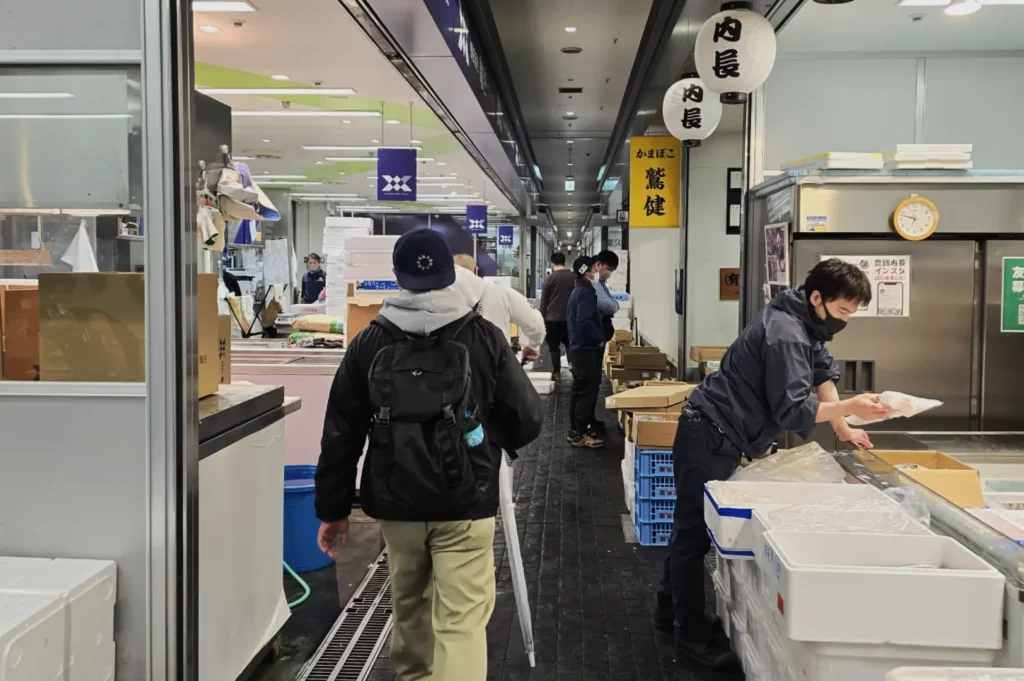
While the wholesale market floor is off-limits to regular visitors, there is plenty to see, eat, and explore across the complex.
Dining: Nearly 40 Restaurants
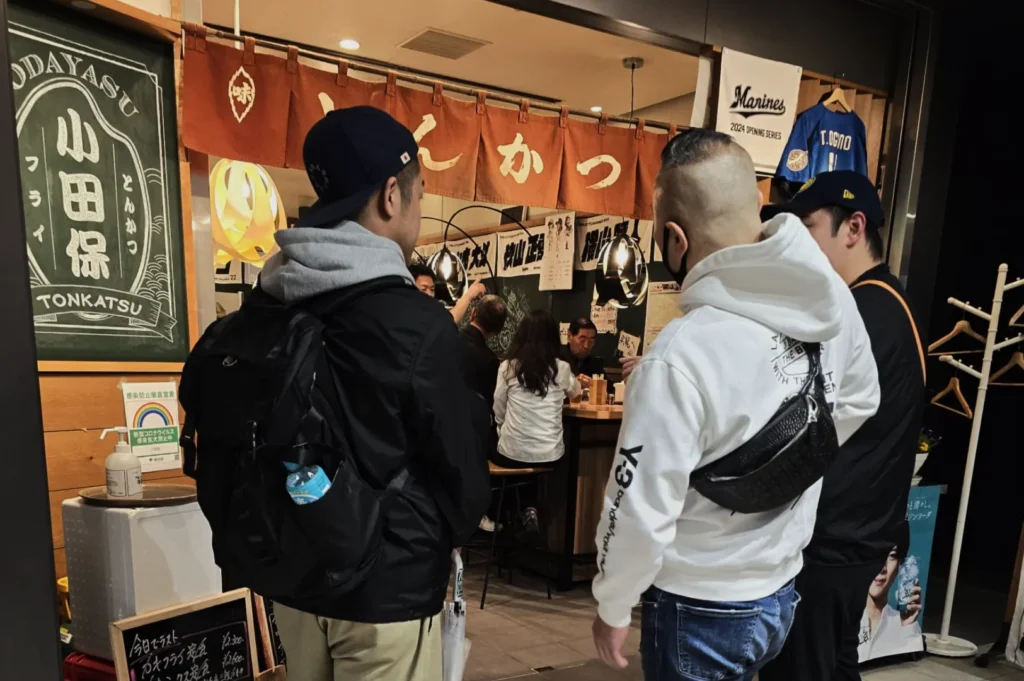
The market is home to nearly 40 restaurants, with sushi being the most popular offering. Dining is spread across each building:
- The third floor of the Fisheries Intermediate Wholesale Market Building houses the largest restaurant cluster, including several popular restaurants that relocated from Tsukiji
- Smaller restaurant clusters are located near the entrance of the Fruit and Vegetables Building
- A coffee shop is also available within the complex
Beyond sushi, the range of Japanese cuisine on offer is broad:
| Category | What’s Available |
|---|---|
| Seafood | Sushi, sashimi, seafood bowls (kaisendon), raw oysters |
| Japanese staples | Curry rice, ramen, beef bowls |
| Deep-fried | Tempura, deep-fried pork cutlets (tonkatsu) |
| Other | Chinese dishes, Western options |
Arrive early; most restaurants close before 2 p.m.
Shopping: Many Shops and Kitchen Finds
The fourth floor of the Fisheries Intermediate Wholesale Market Building is home to Uogashi Yokocho, a shopping area open to the general public. Many shops here sell kitchen utensils including knives and ceramic teapots, Japanese pickles, tea, and sake, as well as non-perishable goods and specialty food products.
City Views and the Observation Deck
The observation deck in the fisheries wholesale market building offers city views across Tokyo Bay, with glimpses of the Rainbow Bridge on clear days. A rooftop garden on the upper floor of the intermediate wholesale market building adds lawn space and waterfront views, a popular spot for visitors to rest between the market buildings.
Getting to Toyosu Market
By Train on the Yurikamome Line
Toyosu Market is directly connected to Shijo Mae Station on the Yurikamome Line, the closest stop to the market floor and wholesale market buildings.
| Departing From | Route |
|---|---|
| Shimbashi Station | Board the Yurikamome Line directly toward Toyosu; alight at Shijo Mae Station |
| Tokyo Station | Take local rail to Shimbashi Station, then transfer to the Yurikamome Line |
Toyosu Station is a larger nearby hub with connections to additional bus routes, though Shijo Mae Station is the most direct stop for the market itself. Note that trains do not run in the very early morning hours. If you plan to watch the tuna auction, a taxi or a nearby hotel is strongly recommended.
Practical Tips Before You Go
The market opens early at 5 a.m. on operating days
Closed on national holidays, most Sundays, and often Wednesdays; confirm the schedule on the official Tokyo Metropolitan Government calendar before you arrive early
No parking available for cars or bicycles
Many nearby hotels offer buffet breakfast and spacious rooms, convenient for early-morning visits
From Market to Counter: How Sourcing Shapes Seasonal Omakase
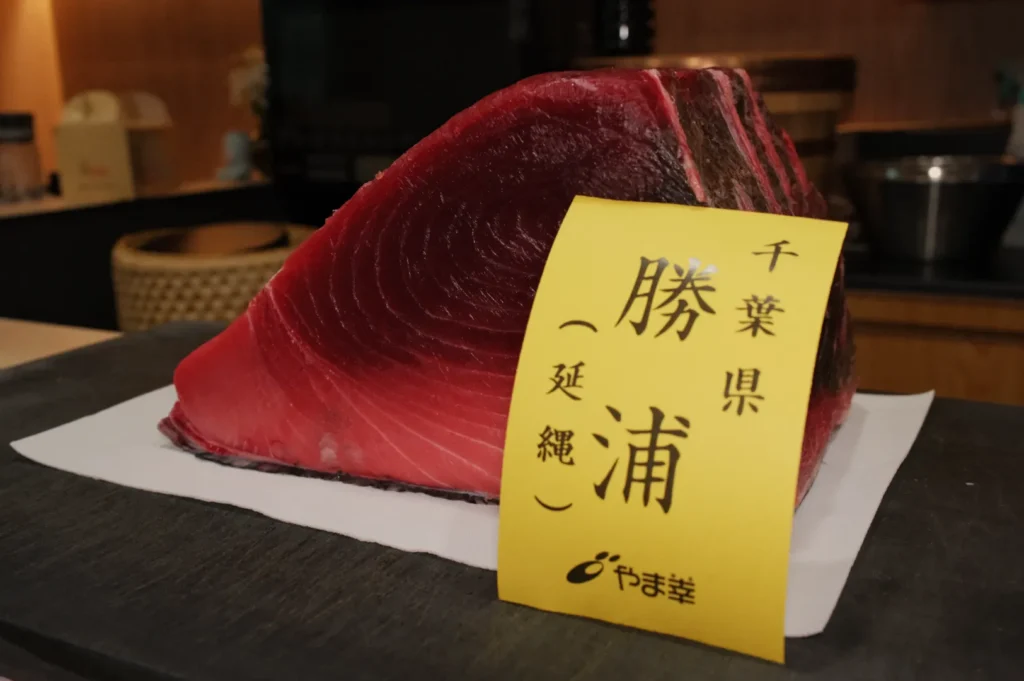
The distinction between omakase experiences often comes down to sourcing discipline. Many restaurants describe their fish as fresh without specifying where it was purchased or how recently. At Sushi Masa by Ki-Setsu, Toyosu Market sourcing is a daily commitment, not a seasonal one.
Chef Masa’s approach to omakase is grounded in the Edomae tradition, a style of sushi-making rooted in Tokyo’s culinary history that prizes technique, restraint, and the integrity of each ingredient. Edomae sushi was historically associated with fish from Tokyo Bay, prepared and served with minimal intervention so that the natural flavour of the seafood could lead. That same philosophy informs how we select fresh fish from Toyosu today.
What the New Toyosu Market Means for Premium Omakase Restaurants
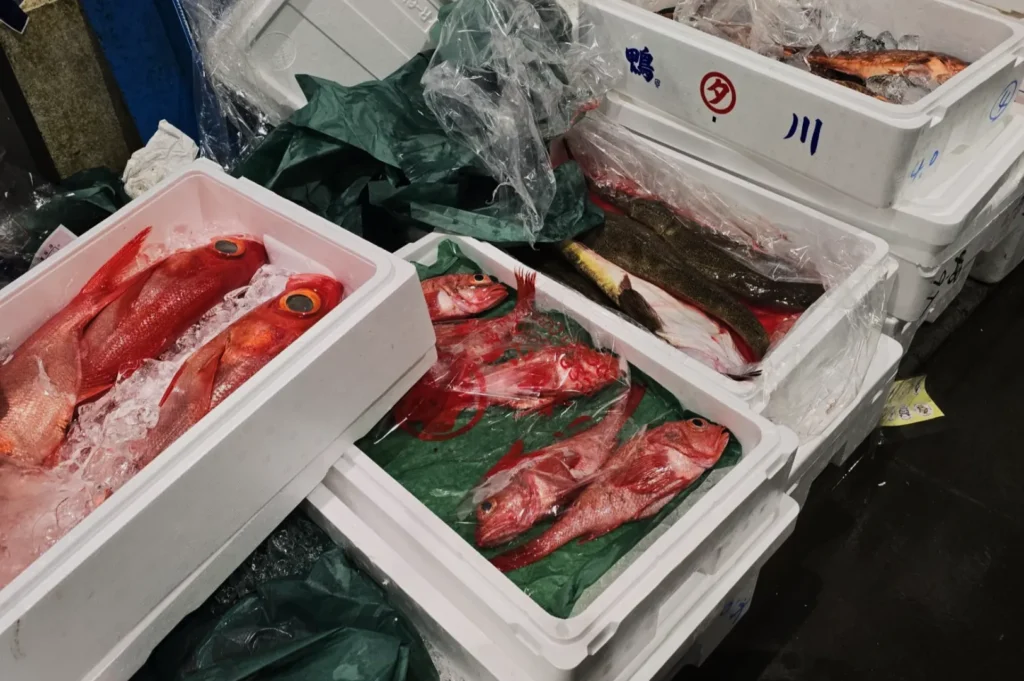
The transition from the old Tsukiji Market to the new Toyosu Market marked a major shift in Japan’s wholesale system. Toyosu was designed with strict food safety in mind: enclosed, climate-controlled areas reduce contamination risks common in older open-air markets.
For sushi restaurants relying on top-quality fish, this is crucial. Toyosu’s infrastructure ensures better cold-chain handling, consistent grading, and cleaner conditions from auction to transport. Managed by the Tokyo Metropolitan Government, the market meets rigorous standards.
These improvements directly affect what reaches the omakase counter. When Toyosu operates at a high standard, the fish is handled with care throughout, arriving fresh for Chef Masa to prepare in Singapore.
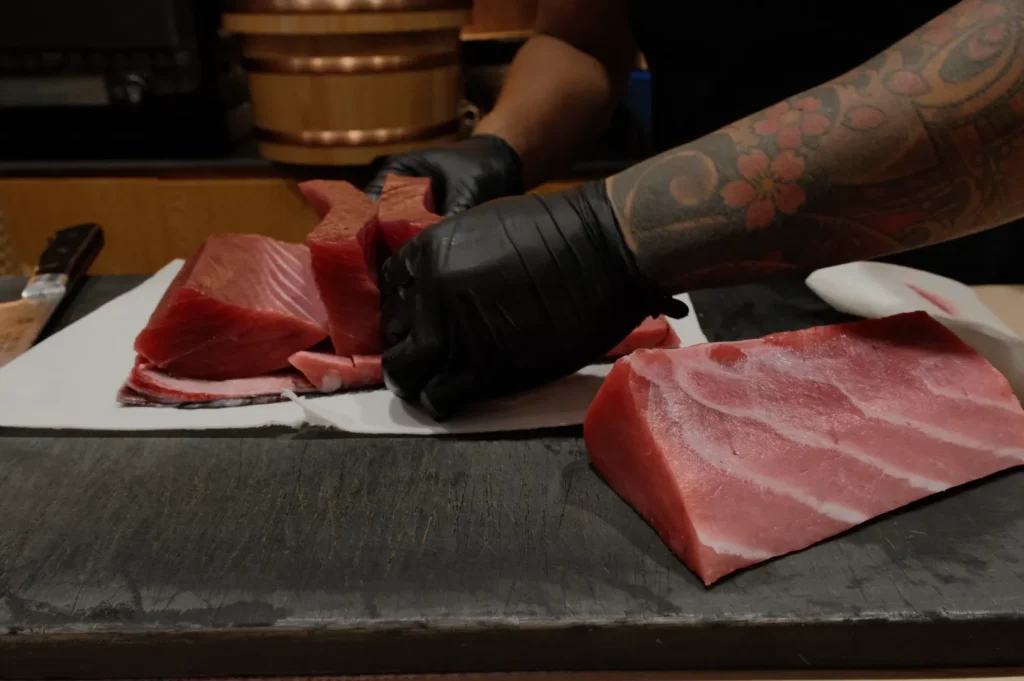
Understanding where your fish comes from changes the way you experience it. When you know that the tuna resting before you passed through the tuna auction at Toyosu Market, was graded at the fisheries wholesale market building, and arrived in Singapore via a carefully managed cold chain, the flavour carries a different weight.
That is what omakase, at its finest, asks of you: trust. Trust in the chef, trust in the sourcing, and trust in the seasonal logic that determines what appears before you each evening.
At Sushi Masa by Ki-Setsu, we extend that trust to every element of our omakase, from the relationships we maintain with Toyosu suppliers to the quiet care that Chef Masa brings to each piece of sushi. If you are ready to experience what responsible sourcing and Edomae craftsmanship can produce together, we warmly invite you to join us for dinner at Cuppage Plaza and taste the difference that Toyosu market sourcing makes.