A Tale of Two Eels: Unagi vs. Anago
Eel holds a rare, almost sacred place in the hierarchy of Japanese cuisine. Few fish stir memory, ritual, and debate with equal force. To the casual observer, the glazed, caramelized fillets laid over beds of pearlescent rice may look identical, but for the connoisseur, they represent two distinct worlds.
Unagi vs Anago is the defining debate of the eel world. While many diners group them as one, a master at a Japanese restaurant never would. Each fish carries a different origin, biology, fat level, and role in the nation’s food culture. This exploration traces their history and technique, explaining why Japanese people treat these two eels as separate delicacies, served on different days and in different ways.
The Eel Family in Japanese Cuisine
In Japan, eating eel transcends mere flavor, serving as a vital connection between the changing seasons, physical health, and ancient cultural beliefs. Records from the Edo period show eel stalls proliferating near rivers and markets, evolving from a popular snack enjoyed with sake to a luxury delicacy served in a lacquered bowl.
To understand the menu, one must know what each anago refers to in a culinary context.
- Unagi: The freshwater Japanese eel (Anguilla japonica).
- Anago: The saltwater conger eel (Conger myriaster), also known as the white spotted conger eel. This is a saltwater eel distinguished by its small white dots and lighter color.
While both share a serpentine silhouette, their physiological journeys couldn’t be more different. This meticulous selection of species is part of a broader commitment to quality explored in our other feature, From Toyosu Market to Table: The Art and Sourcing of Sushi Masa by Ki-Setsu.
Habitat and Biology: Freshwater Eel vs. Saltwater Conger Eel
Unagi: The Migratory Freshwater Japanese Eel
The unagi is a migratory marvel. Born in the deep sea of the northwest Pacific near the Mariana Islands, the larvae drift toward the Japanese archipelago before swimming upstream into rivers and lakes. Adult unagi return to the ocean only once to spawn and die.
Key traits of this freshwater eel:
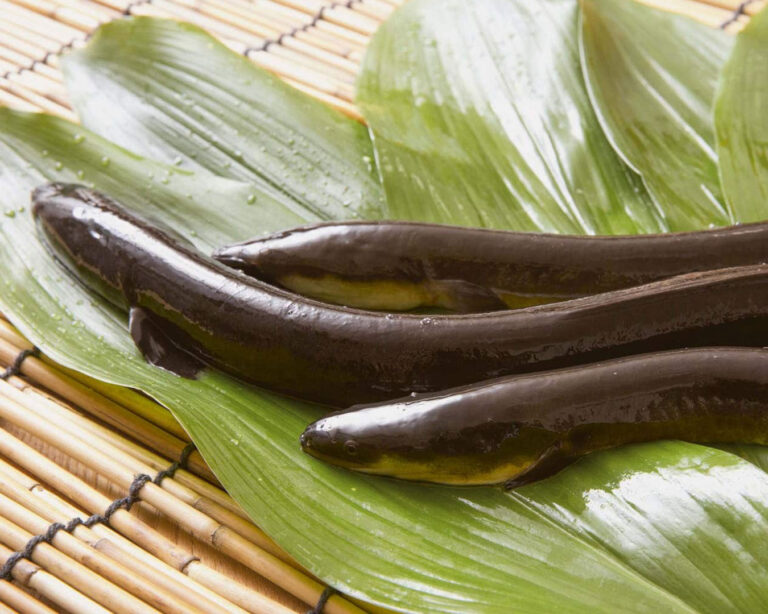
- Appearance: Generally black or dark brown skin with a slimmer body hidden under thick fat layers.
- Physicality: Features a sharper tail fin compared to the rounded tail of the conger.
- Nutrition: A rich flavor profile exceptionally high in Vitamin A, Vitamin B, and Vitamin D.
Because the Japanese eel must store energy for its grueling migration, it becomes a greasy fish in the best sense: dense with oils and nutrients.
Anago: The Elegant Saltwater Conger Eel
Anago lives out its entire lifecycle in the sea. It favors the sandy sea floors along the Japanese coastline and is found widely spread across the northwest Pacific.
Key traits of the conger eel:
- Appearance: A lighter color (pale gray or brown) with distinctive small white dots along its lateral line.
- Texture: Softer flesh and finer bones than its freshwater cousin.
- Flavor: A lighter taste with significantly lower oil content.
History and Culture: Why We Eat Unagi and Eat Anago Differently
To Eat Unagi: The Day of the Ox Tradition
The impulse to eat unagi is famously tied to a special day: the midsummer day of the Ox (Doyo no Ushi no Hi). The custom of eating unagi on Ox Day began in the 18th century, attributed to Hiraga Gennai, who claimed it restored his energy during the summer heat.
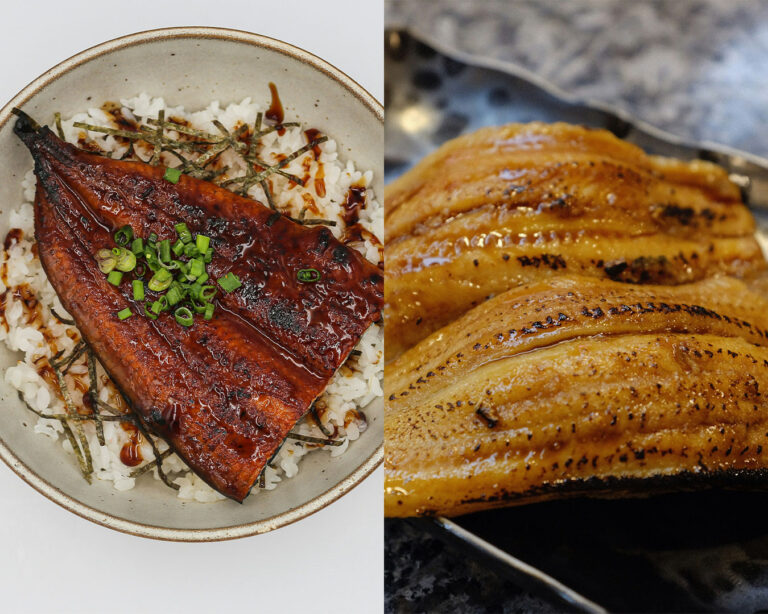
During the Edo era, scholars and merchants promoted the consumption of unagi to combat “summer fatigue.” The logic was sound: the high vitamin content and dense fat provided the necessary stamina to survive the hot Japanese summer. To this day, for many Japanese people, this meal is a ritual of both reward and health. The most popular way of eating Japanese eel is to grill it with a sweet and savory sauce called kabayaki sauce.
To Eat Anago: The Star of Edo Bay
Anago is the quintessential fish of Tokyo Bay. Historically, while unagi was a hearty, standalone meal, the choice to eat anago was often linked to the refinement of the sushi counter, whilst anago is prized for its lighter, more delicate flavor and is considered a sophisticated alternative to the richer, fattier unagi. It never gained a single ritual day because it earned its respect through the subtle balance it brought to Edomae sushi and tempura.
In a traditional omakase, anago serves as a gentle, cooked counterpoint to the rich, briny creaminess of raw delicacies like uni (sea urchin). Anago is often recommended as an alternative to unagi due to the declining population of wild unagi, which is considered at risk of extinction, and is regarded as a more sustainable option for those seeking an eel dining experience.
Preparation Techniques: The Art of the Grilled Eel
The Robust Ritual of the Grilled Eel (Unagi)
Preparing unagi is an intensive labor of love. The eel is often split, deboned, and skewered before undergoing a unique dual process:
- Steamed: In the Kanto (Tokyo) style, the eel is steamed first to render out excess fat.
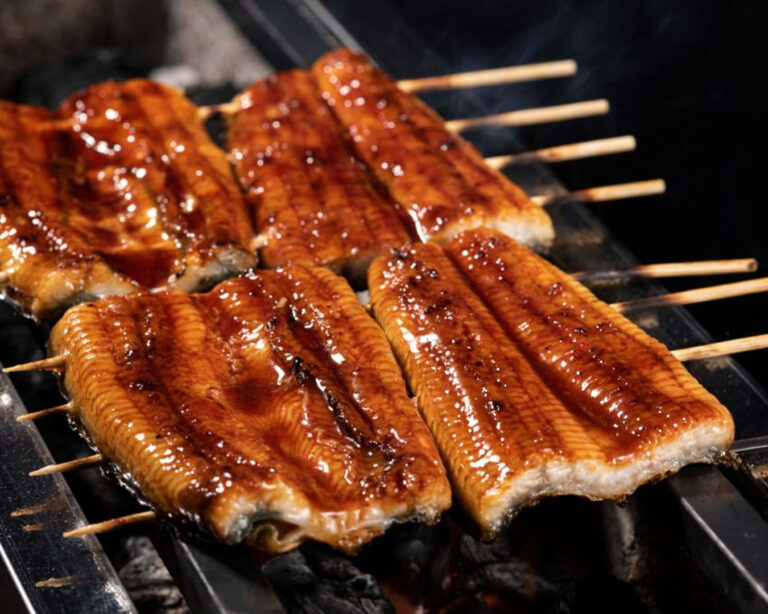
- Grilled: It is then grilled over charcoal whilst being basted repeatedly in a sweet soy sauce or sweet soy-based sauce, known as kabayaki.
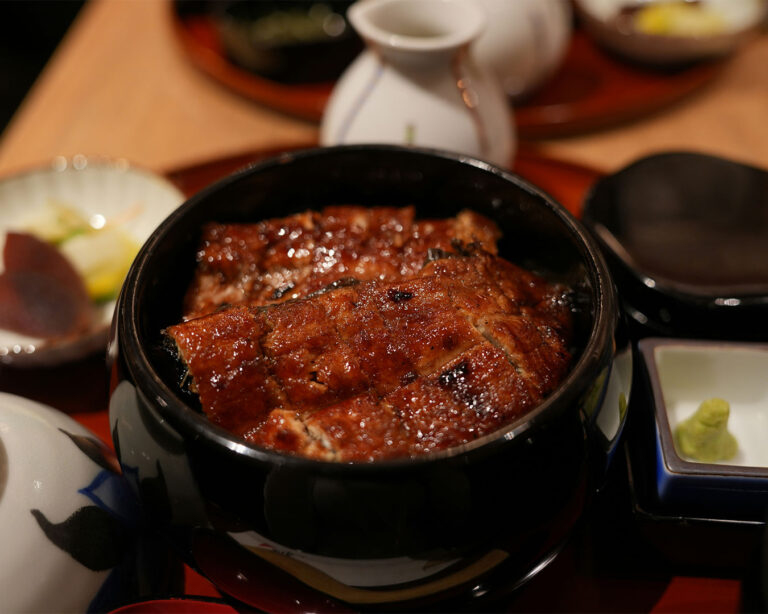
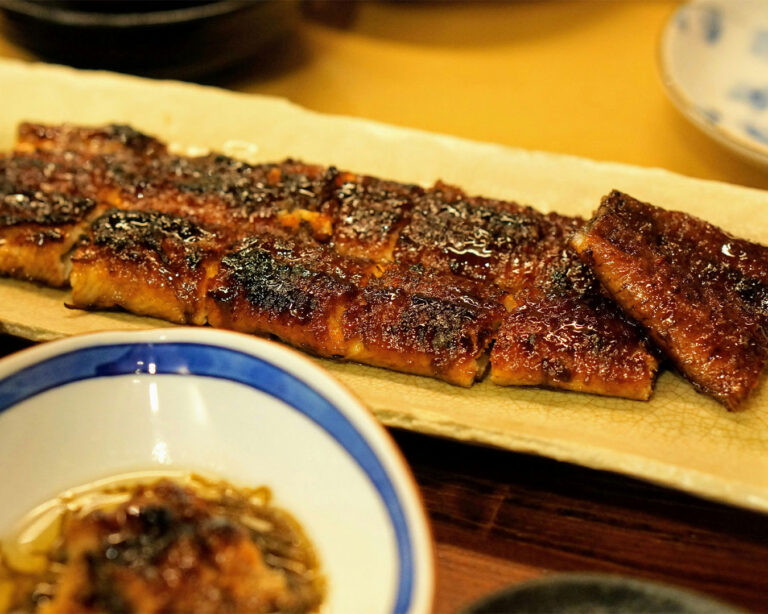
Unagi is often marinated in a sweet soy-based sauce and then grilled, which enhances its rich flavor. This sauce, a blend of soy sauce, sugar, and mirin, caramelizes over the fire, creating a rich flavor that is both smoky and deeply sweet. Unagi is typically grilled in a sweet soy sauce and is often accompanied by a bowl of rice. Alternatively, unagi can also be enjoyed without the traditional kabayaki soy sauce, in a style known as shiroyaki.
The Delicate Handling of the Conger Eel (Anago)
Anago receives a gentler touch. Because it is naturally slightly sweet and lean, it is often simmered in a broth of soy, sugar, and sake rather than being heavily grilled. This “nitsume” method preserves the lighter taste and ensures the flesh remains incredibly soft, almost melting upon contact with the tongue.
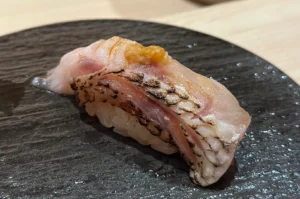
Anago dishes showcase the versatility of this eel, with preparations ranging from tempura and sushi to regional specialties found across Japan. Deep-fried anago is a standard menu item at tempura restaurants, highlighting its popularity in tempura fried dishes. Anago sushi consists of a slice of steamed or simmered anago draped over a small mound of vinegared sushi rice.
Both unagi and anago can also be served over rice in a dish known as donburi. In terms of texture, unagi is characterized by a meatier, denser, and chewier bite, while anago is prized for its soft, fluffy consistency.
Comparison at a Glance
| Feature | Unagi (Freshwater) | Anago (Saltwater) |
|---|---|---|
| Fat Content | High; rich and decadent | Low; lighter and lean |
| Primary Method | Grilled over charcoal | Simmered or steamed |
| Visual Cues | Dark skin, no spots | Lighter color, small white dots |
| Texture | Flaky and succulent | Fluffy and velvety |
| Nutritional Edge | High Vitamin B & D | Lowering cholesterol |
Sustainability and the Connoisseur’s Choice
It is important to note that the freshwater eel is currently listed as an endangered species. Overfishing has made the Japanese eel a rare luxury. Conversely, conger eel stocks remain more stable, making it a more frequent choice for sustainable dining.
Ultimately, the choice between these two eels comes down to the desired experience. Unagi is a meal of strength, a rich celebration of fat and fire. Anago is a meal of finesse, an elegant, slightly sweet component of a sushi progression.
At Sushi Masa by Ki-setsu, we treat unagi and anago as two distinct stories, never one. Our chef, Chef Masa, prepares each eel through strict Edomae tradition, guided by Toyosu-sourced seafood and the nuances of the season. During dinner, guests experience how the specific application of sauce, cut, and timing shapes the final flavor profile. We invite you to taste this difference through our omakase, where the soul of the eel speaks through method and precision.