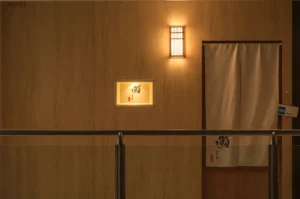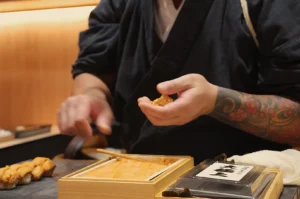
Imagine stepping into an omakase restaurant where the chef prepares seafood masterpieces from the freshest seasonal ingredients, each piece a testament to Japanese cuisine’s elegance. For first time omakase visitors, the thrill mixes with uncertainty. How does one navigate this culinary adventure without a faux pas?
At Sushi Masa by Ki-Setsu, Chef Masa embodies Edomae traditions with Toyosu-sourced seafood in our intimate omakase experience. Understanding omakase etiquette transforms a meal into a harmonious dialogue with our chef and fellow diners.
Omakase Etiquette in the Dining Room
Omakase etiquette centres on respect for the chef, the dish, and other guests. In premium omakase restaurants, diners surrender menu choices, trusting the omakase philosophy of seasonal flow. This trust fosters a serene dining experience unlike anything a conventional restaurant offers.
Arrive punctually for dinner.
Greet with “good evening” or a subtle nod.
Counter seating immerses you closest to the action, while counter tables offer slight distance.
Silence phones to avoid disturbing other diners or the rhythm the chef prepares around. In Japan, this quiet attentiveness is simply expected.
We at Sushi Masa by Ki-Setsu cherish this calm. Chef Masa’s Toyosu selections unfold deliberately, inviting quiet appreciation.
Dress Code for Omakase Dining
Smart casual suits most omakase restaurant settings. Avoid wearing perfumes that overpower delicate fish aromas, as high end Japanese restaurants value subtlety, mirroring table manners in Japan. Opt for comfortable attire that allows full focus on the omakase meal. Foreign visitors often find it helpful to observe fellow diners for cues.
Fine dining in Japan carries an unspoken dress code that signals respect before you have spoken a word. Our dinner-only omakase aligns with Edomae refinement, where presence enhances the whole dining experience.
Arrival and Greeting Customs
Enter calmly and remove hats indoors. Greet your host warmly; seating follows the chef’s cue at the counter. Silence settles naturally as the omakase commences, and that quiet is worth protecting from the very first moment.
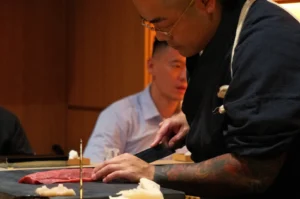
Engaging with the Sushi Chef
The sushi chef guides your omakase sushi journey from the first course to the last. Acknowledge each placement with “arigato gozaimasu” and limit queries to avoid disrupting the flow, especially during peak freshness preparations.
Never request extra wasabi or soy sauce unless offered. In traditional omakase, such adjustments alter the intended harmony Chef Masa has carefully constructed. Popular restaurants that follow this format do so because the menu exists for a reason: to be trusted, not negotiated.
Mastering Eating Sushi Techniques
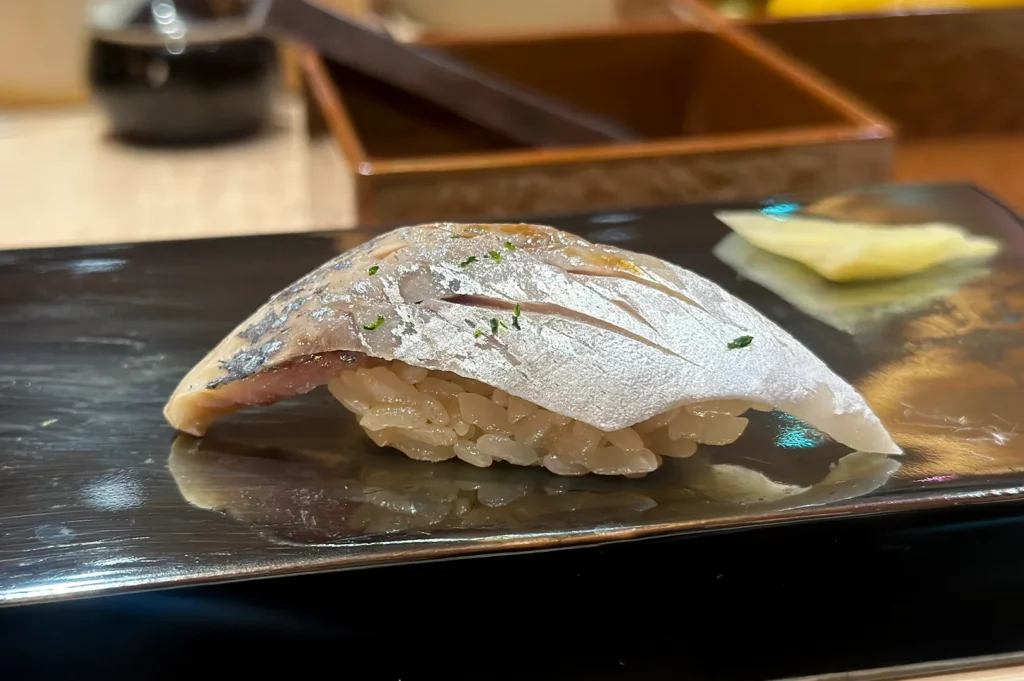
Sushi etiquette begins the moment a piece is set before you.
Receive nigiri with the fish side down toward the rice side, lifting gently with fingers or chopsticks, taking care that chopsticks makes no unnecessary noise against the plate.
Consume each piece in one bite to honour the craftsmanship behind it.
Dipping the rice side into soy sauce drowns the rice; aim for the fish lightly instead.
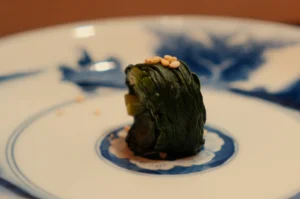
Chef Masa’s nigiri at Sushi Masa by Ki-Setsu demands immediate savour. Eat immediately, and the balance of warm rice and cool fish is exactly as intended. This is sushi at its most precise, and how you receive it is part of the experience.
Communicating Dietary Restrictions
Disclose dietary restrictions beforehand, not mid-omakase experience. Omakase restaurant chefs adapt seafood-focused courses thoughtfully when given advance notice, and a quick call or message before your reservation goes a long way. Bold requests mid-meal disrupt not only the chef’s rhythm but the quiet, contemplative atmosphere other guests have come to expect.
Transparency ensures seamless progression from course to course. Many omakase dining spots prioritise allergies and intolerances as a matter of both care and craft, weaving substitutions naturally into the sequence so the omakase meal’s integrity and your enjoyment of it remains fully intact.
Our Toyosu sourcing accommodates thoughtfully, drawing on a breadth of seasonal catch that allows our chef to pivot without compromise, keeping Edomae purity intact.
Handling Nigiri and Sashimi
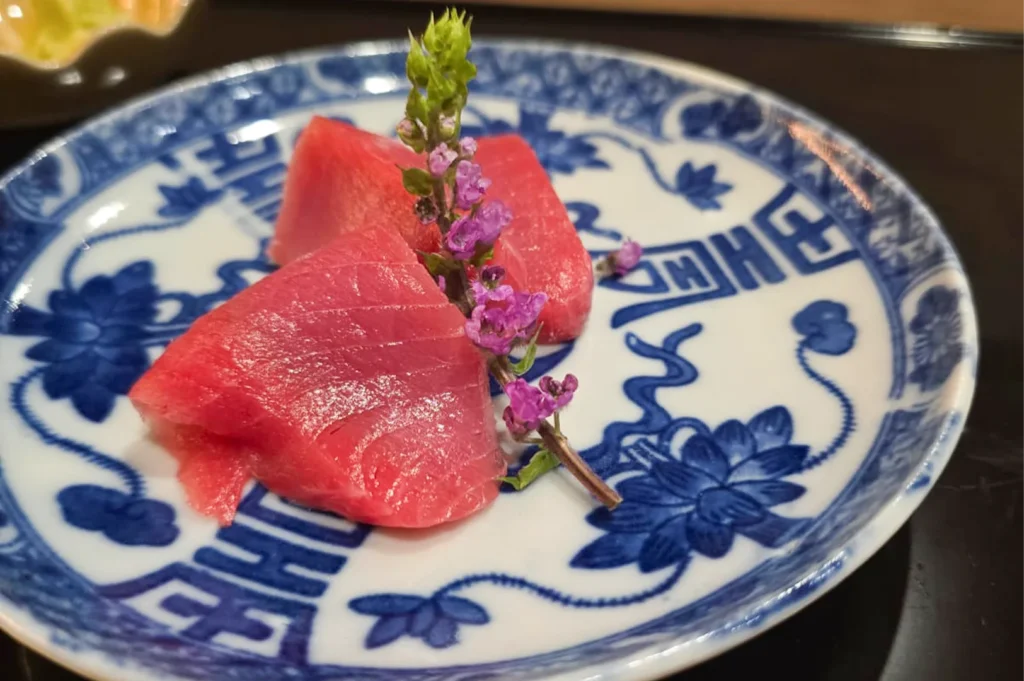
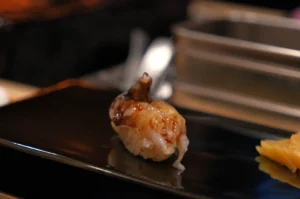
Nigiri sushi arrives as warm rice cradling cool fish, a balance the chef has carefully timed. Eat immediately to meld textures while both elements are at their best. Delicate toppings merit especially swift enjoyment:
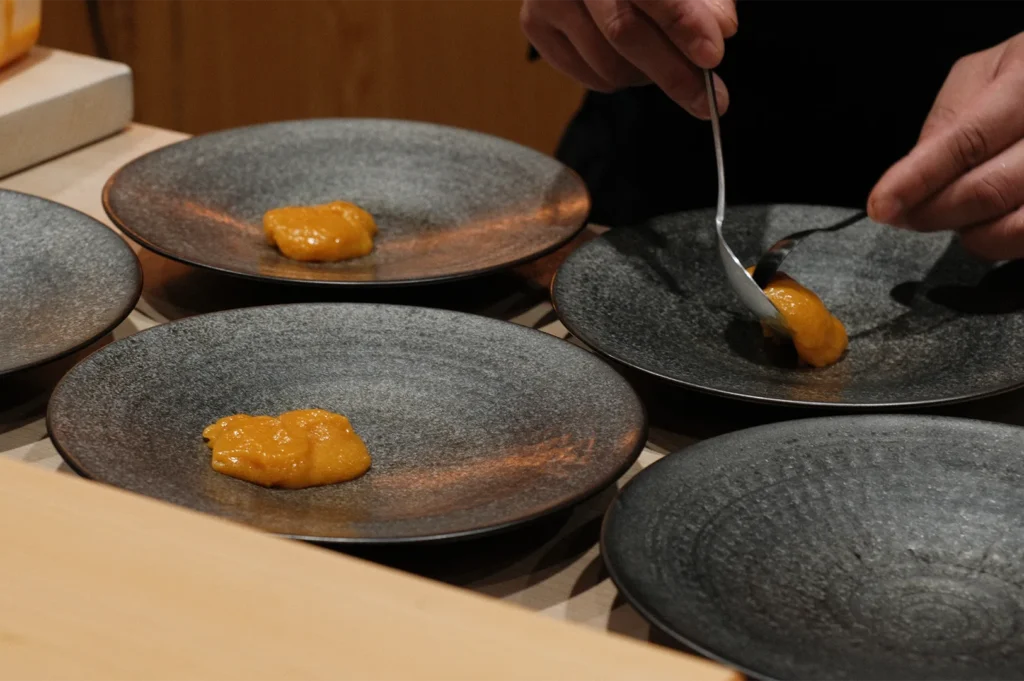
Sea urchin softens quickly and loses its briny lift within moments.
Tender cuts dry at the edges if left to sit.
Peak freshness is the chef’s gift; receiving it promptly is yours.
Sashimi slices invite a gentle lift with chopsticks from boat to a modest dab of soy sauce. Good sushi etiquette keeps the experience clean and respectful:
Only if permitted, mix wasabi into soy sauce as it is placed with intention.
Avoid soaking the slice, as sashimi absorbs quickly and the fish should lead.
Return uneaten pieces to the board rather than leaving them adrift in sauce.
A first time omakase experience is as much about attunement as it is about eating sushi, and letting the room guide your pace enriches every course that follows.
Soy Sauce and Condiment Protocols
Soy sauce should enhance the delicate flavors without overpowering them. Lightly dip the fish side to maintain the intended balance, as Chef Masa carefully seasons each nigiri with the perfect amount of wasabi inside. Remember these key points:
Use pickled ginger solely to cleanse your palate between courses, not as a topping.
Avoid mixing wasabi directly into your soy sauce unless the chef suggests it.
Apply condiments sparingly, trusting the quality and seasoning of the seafood sourced from Toyosu Market.
Chef Masa’s thoughtful seasoning is integral to the omakase experience, reflecting the trust and respect central to this dining tradition.
When to Use Chopsticks
Knowing when to set chopsticks aside is as important as knowing how to use them. For sashimi, larger composed pieces, or anything shared, chopsticks are appropriate and expected. For nigiri, hands are often preferred, a gesture that signals ease and trust in the chef’s construction. Consuming each piece of sushi in a single bite honours both the food and the craft behind it.
Rest chopsticks horizontally on the provided rest between bites.
Never stand them upright in rice, a gesture associated with funeral rites in Japanese culture.
Avoid licking or crossing them; keep use clean and minimal.
Our Edomae approach honours both traditions, and the chef will naturally guide which feels right for each course.
Interacting with Fellow Diners
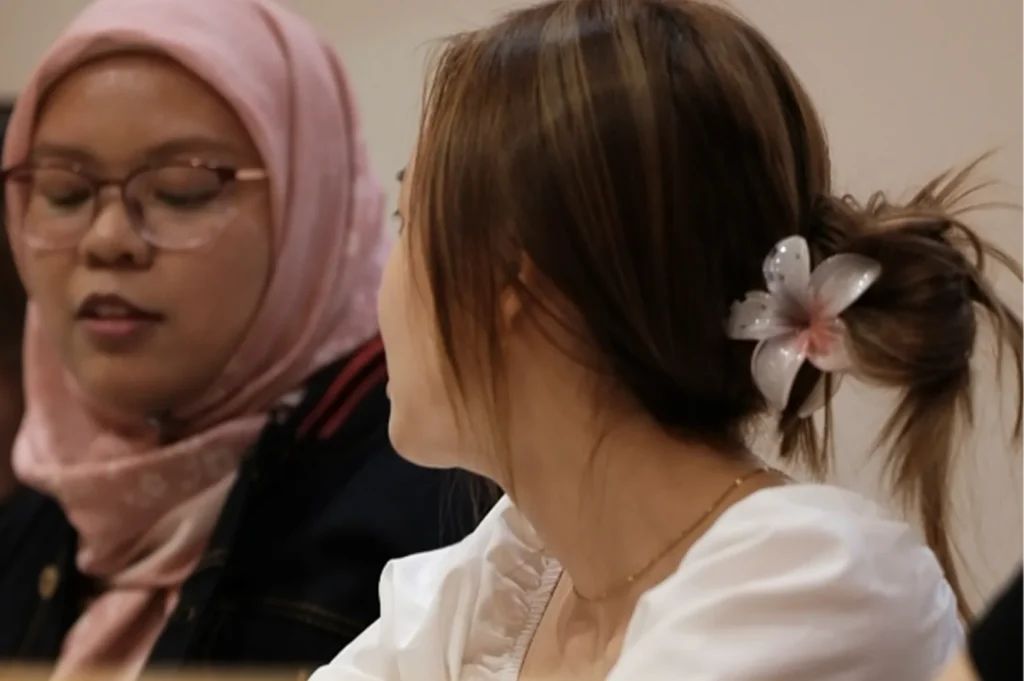
Omakase dining thrives on shared silence, yet warmth connects guests. A brief nod or quiet smile is enough. Avoid phone calls, loud conversation, or camera flashes, all of which are considered rude in Japanese restaurants and break the concentration the setting is built around.
Observe other guests for cues on pacing. The communal stillness is not coldness but a form of collective respect that elevates sushi from food to something just a meal cannot contain. At our counter seating, unhurried presence honours the omakase philosophy without a single word needed.
Pacing Through the Omakase Meal
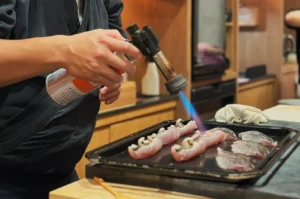
Savour deliberately; rushing insults the omakase sushi sequence. Chef Masa unveils seasonal ingredients progressively, moving from lighter sushi to richer, more complex bold flavors with intention.
Pause between each piece of sushi, appreciating the transitions. This respects how the chef prepares each course and the pace of other diners around you. We follow Chef Masa’s rhythm at Sushi Masa by Ki-Setsu, building steadily toward a close that feels earned rather than abrupt.
Responding to Courses
Quiet, genuine appreciation communicates more than effusive praise. A brief nod, a moment of stillness after a particularly striking dish, or simple eye contact with the chef signals that the course has landed well. Overpraise can feel performative in a fine dining setting built on restraint, and subtle enjoyment is always enough.
Beyond the Counter: Broader Japanese Etiquette
Respect in a sushi restaurant extends well beyond chopstick placement. A few habits carry particular weight across Japan:
Slurping is acceptable in ramen settings but out of place here, though subtle sounds of enjoyment remain natural and welcome.
Avoid blowing on hot food; patience is the expected response in high end sushi restaurants.
Finishing everything served is a quiet but meaningful gesture, as waste signals ingratitude in a tradition built on seasonal precision.
Omakase dining embodies this holistic respect, where every habit at the counter reflects an understanding that the meal is a collaboration, not a transaction.
Common Pitfalls for Beginners
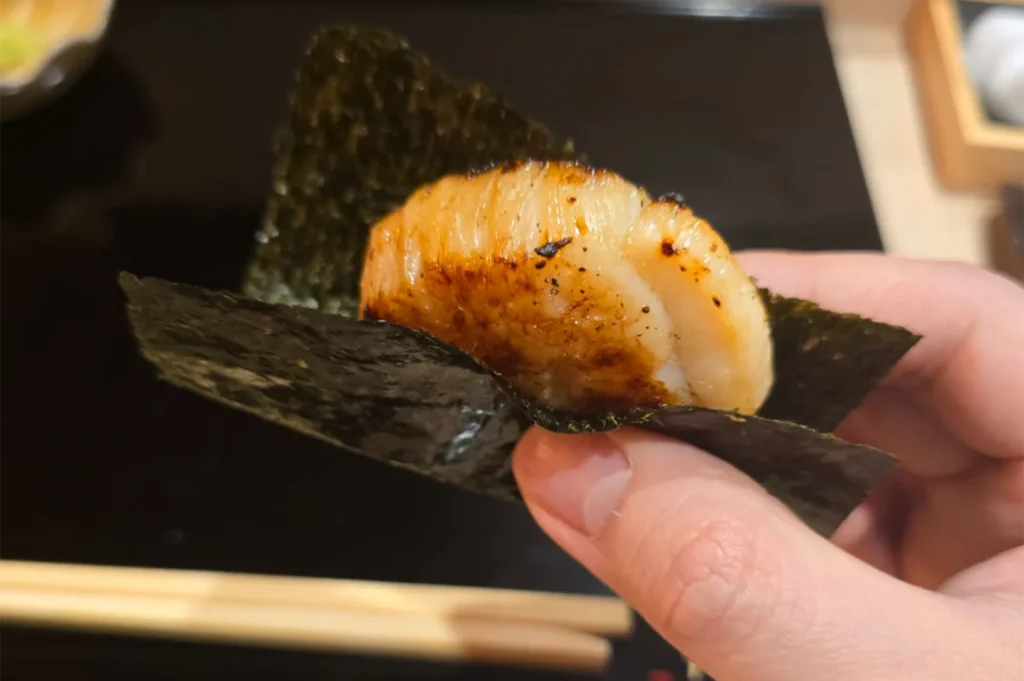
Most missteps at an omakase counter come from unfamiliarity rather than carelessness, and they are easy to avoid once named. Other restaurants may be more forgiving of these habits, but here they disrupt what everyone at the counter has come for.
Dab, do not soak, when using soy sauce.
Keep the soy sauce dish tidy and contained to your space.
Stacking or rearranging served dishes disrupts the chef’s presentation.
Silence notifications before you arrive, not after you sit.
We welcome first-time guests warmly. Awareness of these moments is all it takes to move through the meal with confidence, and every visit builds on the last.
The Rewards of Proper Omakase Etiquette
Etiquette at this level is not about constraint; it is about access. When guests arrive prepared, the omakase experience opens up in ways that cannot be forced. The chef works with greater ease, the atmosphere settles, and each dish carries the weight it was designed to carry. Connection to the food deepens naturally, and guests emerge with something closer to inspiration than satisfaction.
In premium omakase restaurants, sushi etiquette transforms eating into ritual. Guests who arrive attuned to the room elevate the dining experience for everyone at the counter. Chef Masa’s Toyosu craft rewards attentiveness richly, and the more you bring to the table, the more the table gives back.
Building Lasting Memories
Refined conduct amplifies joy. Share post-meal reflections softly; this cements the omakase meal as transformative. The care you bring to the counter becomes part of the memory itself, inseparable from the sushi and the craft behind it. High end restaurants cherish such harmony, and Chef Masa’s omakase is designed for guests who leave having felt, not just eaten, every course.
Where Etiquette Meets Mastery
Omakase philosophy is, at its core, an act of trust. The guest surrenders menu choices; the chef accepts responsibility for the entire arc of the evening. Etiquette sustains that pact, honouring every decision made from the Toyosu Market floor to the moment nigiri is set before you. It is a tradition rooted in the Edo period that endures in Japan and beyond precisely because the exchange it demands is so rarely found elsewhere.
We invite you to experience that exchange at Sushi Masa by Ki-Setsu, one of the few omakase Singapore dining rooms where Edomae tradition and Toyosu sourcing meet under a single chef’s hands.