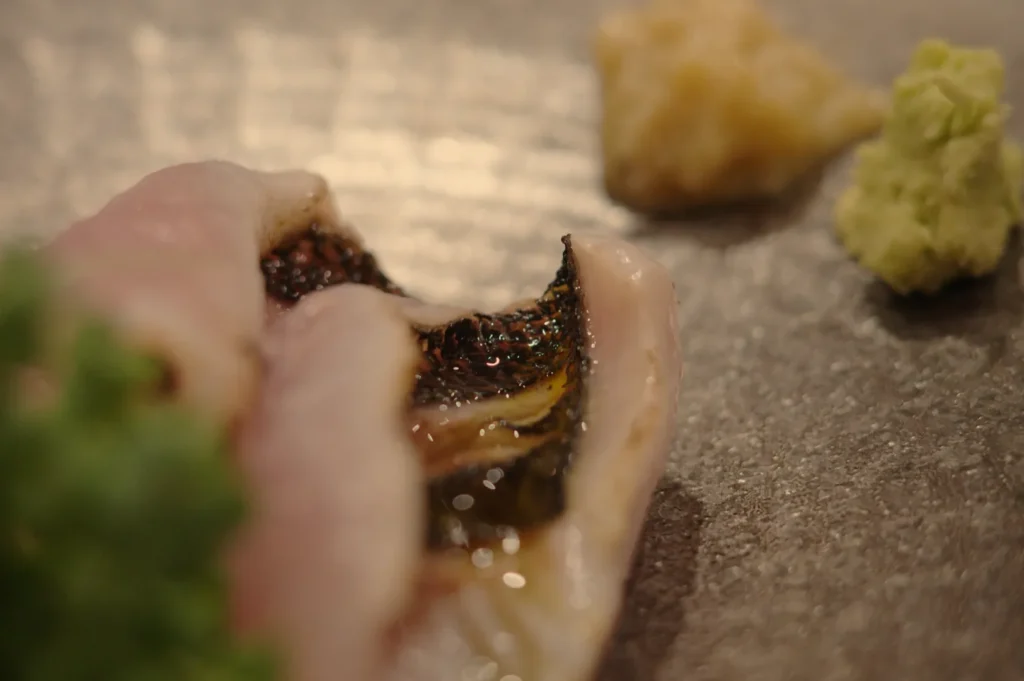
Many diners assume wasabi is just a spicy condiment, a green dab to be stirred into soy sauce for a quick kick. In Japanese culinary tradition, it is far more considered. Wasabi in Japanese omakase is a seasoning, a palate guide and, historically, a quiet form of protection for raw fish. When it is placed with care, it does not mask the fish. It lets the fish speak more clearly.
At Sushi Masa by Ki-Setsu, we believe that understanding wasabi is one of the simplest ways to fully enjoy sushi. Here is what we have learned about it, and why it matters at our counter.
What Is Real Wasabi, and Why Is Hon Wasabi So Rare?
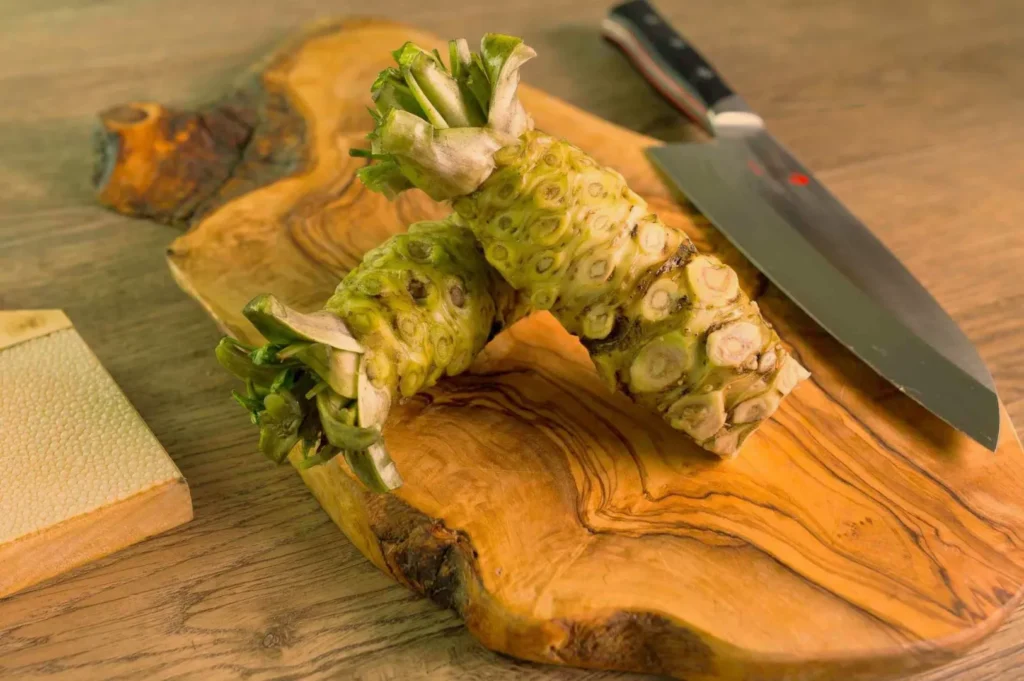
Real wasabi comes from the wasabi plant, known botanically as Wasabia japonica. It is grown in cold, flowing mountain water, and it is notoriously difficult to cultivate. The plant takes well over a year to mature and is sensitive to temperature, light and water quality. This is why true wasabi is scarce, even in Japan.
The term hon wasabi simply means genuine wasabi, as distinct from substitutes. The rhizome has pale green flesh, a clean fragrance and a distinctive flavour that is surprisingly gentle and fresh. Its heat is bright and quick, and it leaves behind a subtle natural sweetness once the sharpness fades.
This is quite unlike what many people expect. The pungency of real wasabi travels up through the nose rather than burning the tongue, and it disappears within moments. That brevity is exactly what makes it so well suited to delicate flavours.
Fresh Wasabi Versus the Sushi Wasabi Many Sushi Restaurants Serve
The green paste found in many sushi restaurants around the world is often not made from the wasabi plant at all. It is typically a blend of horseradish, mustard and colouring. These imitations deliver a harsh, flat heat that can overpower raw fish, and they lack the aroma and natural sweetness that define fresh wasabi.
It is worth knowing the difference, because it changes how you eat. A heavy, sharp paste tempts diners to dilute it in soy sauce until it clouds the dish. Genuine sushi wasabi is nuanced enough that it needs no such treatment. A small amount, placed precisely, is all a piece requires.
At Sushi Masa by Ki-Setsu, we focus on quality ingredients and honest preparation. Our omakase is purely seafood-based and rooted in Edomae tradition, so every element on the plate, including the seasoning, is chosen to complement the fish rather than compete with it.
Freshly Grated Wasabi and the Technique Behind Authentic Flavour
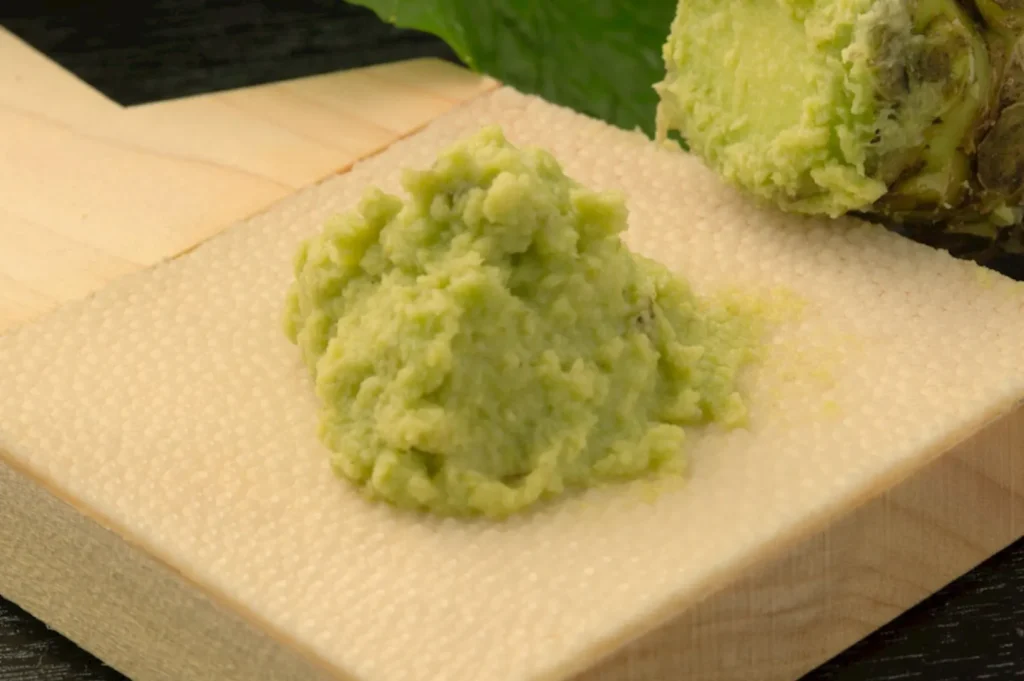
Freshly grated wasabi is a matter of timing. Once the rhizome is grated, its aroma and pungency begin to fade within minutes. For that reason, tradition favours grating just before serving, using a special tool with a finely textured surface. Traditionally this was a sharkskin grater, and the fine texture breaks the cells gently to release the plant’s natural compounds.
Technique matters as much as the tool. The rhizome is moved in slow, steady circles rather than scrubbed back and forth. The result is a soft, moist paste with a rounded, authentic wasabi flavour rather than a coarse, bitter one. A well-grated portion tastes green and clean, with a delicate sweetness.
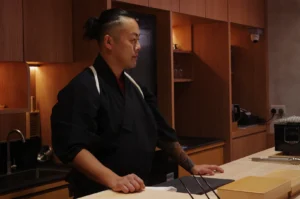
This respect for preparation reflects something we value deeply at Sushi Masa by Ki-Setsu: that simple things, done properly, deserve the most attention. Chef Masa brings the same passion to wasabi that he brings to the fish and the rice, treating it as an ingredient with its own character and its own moment.
How Sushi Chefs Traditionally Use Wasabi with Fish
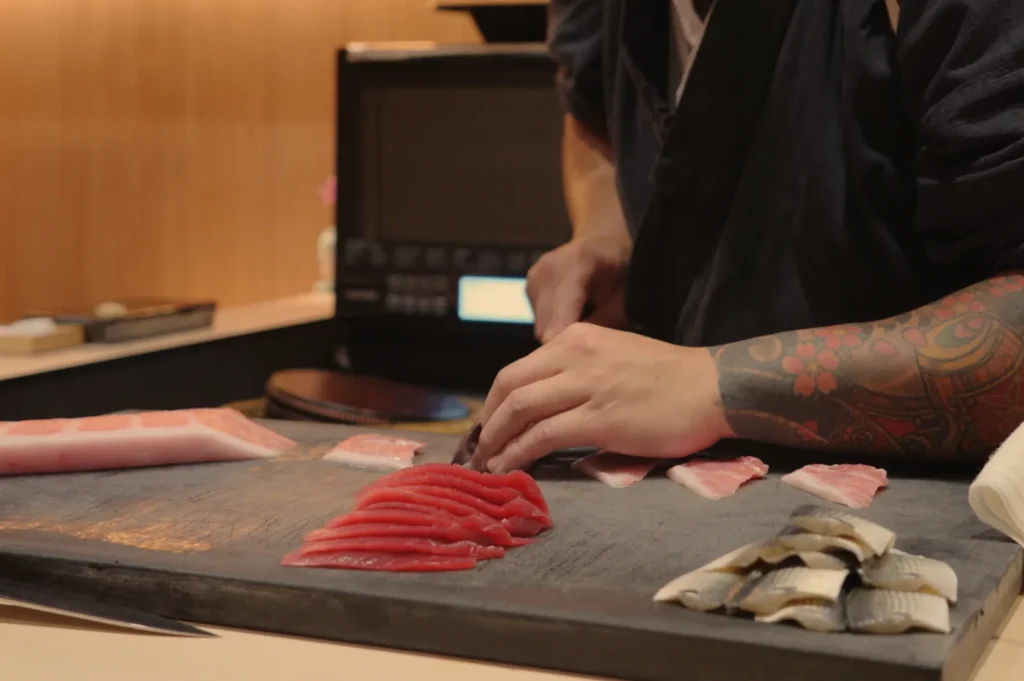
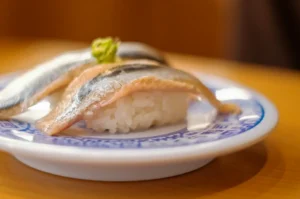
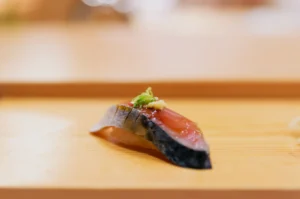
In the classic Edomae style, traditional sushi chefs place a thin trace of wasabi between the fish and the seasoned rice. This is deliberate. The diner never has to think about adding it, and the seasoning is already balanced to suit that particular piece. It is one of the clearest examples of how omakase shapes the dining experience: the person preparing your food has already considered what will taste best.
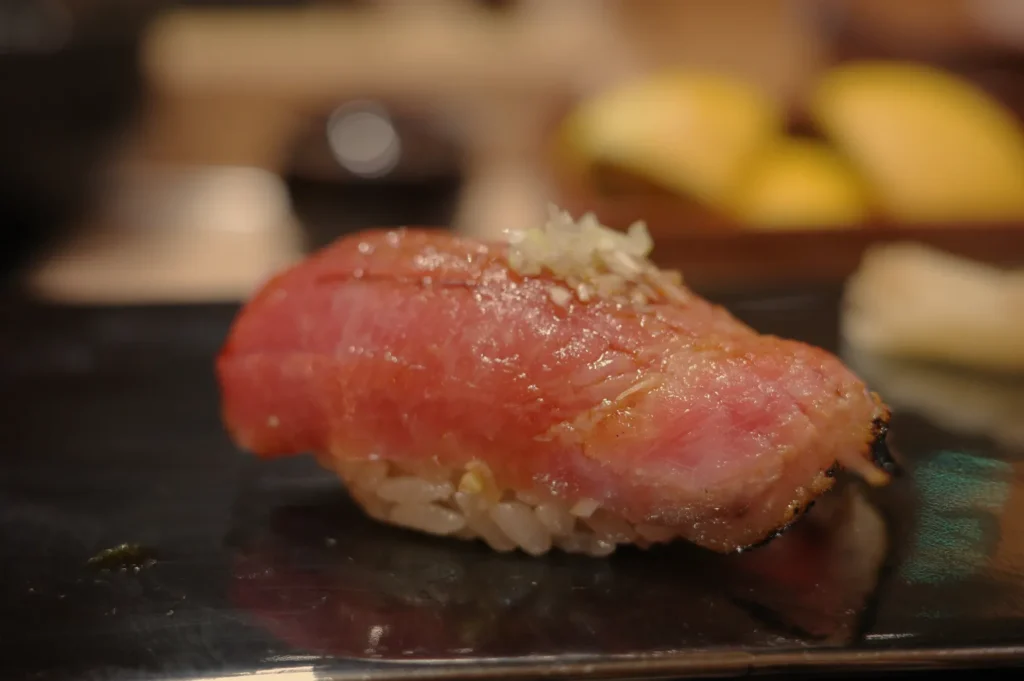
The amount can vary depending on the fish. Lean, clean-tasting fish needs only a whisper. Fatty fish, such as medium fatty tuna, benefits from a touch more, because the sharpness cuts through richness and refreshes the palate. Salmon and other oily varieties follow the same logic. The aim is a perfect balance between fish, rice and wasabi, so the next bite tastes as vivid as the first.
Sashimi follows a slightly different custom. Wasabi is traditionally served on the side, and a small amount is placed directly on each slice rather than stirred into soy sauce. For nigiri, the chef often brushes on a light seasoning instead of offering soy sauce for dipping, which is part of why guests are encouraged to eat each piece without adding anything. Mixing wasabi into soy sauce changes the intended balance and can flatten the delicate flavours the chef worked to preserve.
Wasabi in Omakase at Sushi Masa by Ki-Setsu
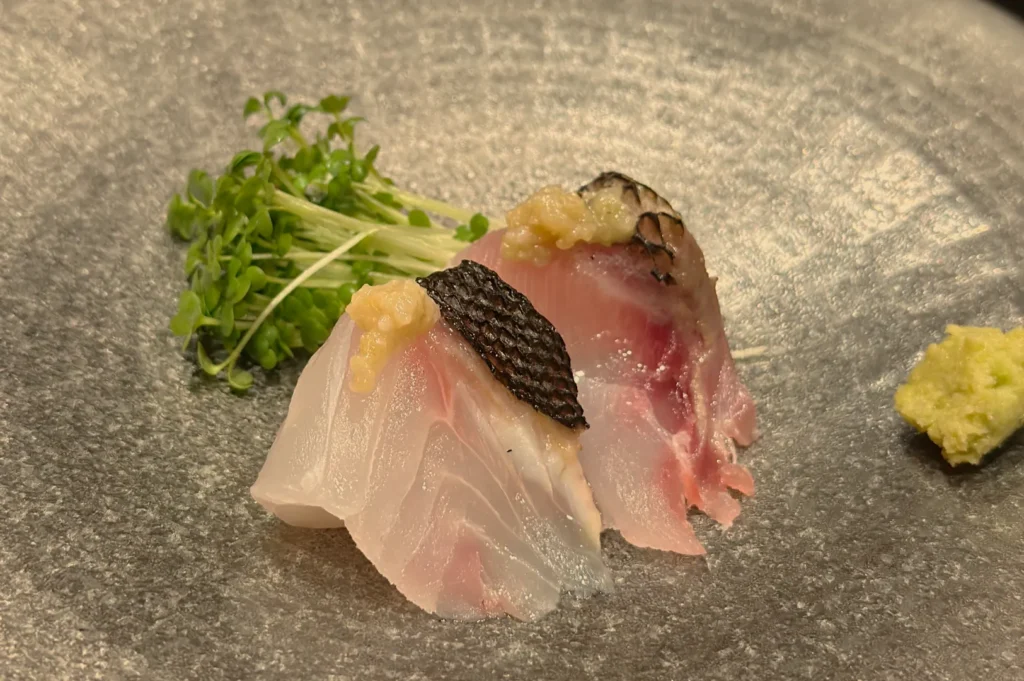
Omakase translates as “to entrust”, and wasabi is part of that trust. Each evening at Sushi Masa by Ki-Setsu, Chef Masa prepares the course for our guests personally, one piece at a time, from seasonal ingredients sourced from Toyosu in Tokyo. Because the seafood changes with the season, the way wasabi is used changes too.
A richly marbled piece may receive slightly more. A subtle white fish may receive barely any. Shellfish, which carry their own sweetness, are treated with a lighter hand. None of this is written down as a rule. It comes from years of tasting, adjusting and understanding how each ingredient behaves.
This is the part of dining that is hard to replicate elsewhere. You are not choosing from a tray of condiments. You are receiving a carefully composed progression, with seasoning, rice temperature, vinegar and fish all working together, from sashimi through to nigiri. If you have any food allergies, we encourage you to let us know when you reserve, so Chef Masa can plan accordingly.
Should You Ask for Extra Wasabi?
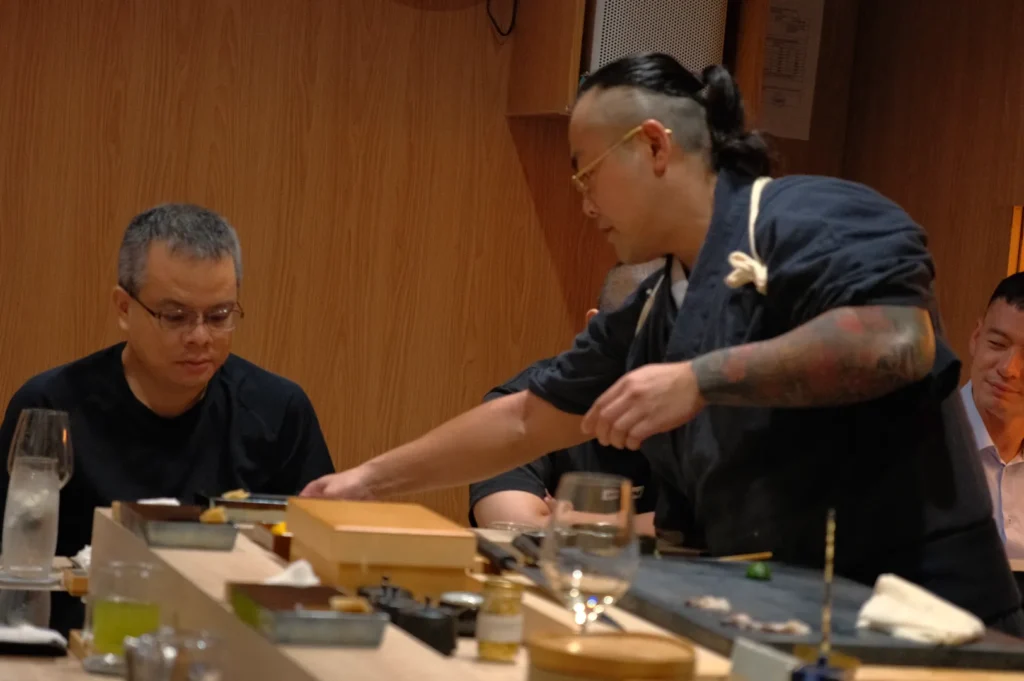
It is a fair question, and the answer is gentle: of course you may. Dining should be enjoyable, and personal preference matters. Some guests enjoy a sharper finish, while others prefer almost none. If you would like extra wasabi, simply let us know, and we can have extra wasabi served on the side so the original balance of each piece remains intact.
That said, we would suggest tasting the first few pieces exactly as they arrive. Chef Masa has seasoned each one with intention, and many guests are surprised by how little they need once they notice the natural sweetness of the fish and the seasoned rice together. If you prefer the opposite, you can also ask for sabi nuki, which means sushi prepared without wasabi. This is common in Japan, particularly for those who are sensitive to pungent flavours.
What we would gently discourage is piling a large amount into soy sauce and dunking the sushi. It is understandable, and many people learned to eat this way, but it flattens subtle flavours. Trying a few pieces as served is the best way to discover what the chef intended.
Antibacterial Properties and Other Health Benefits
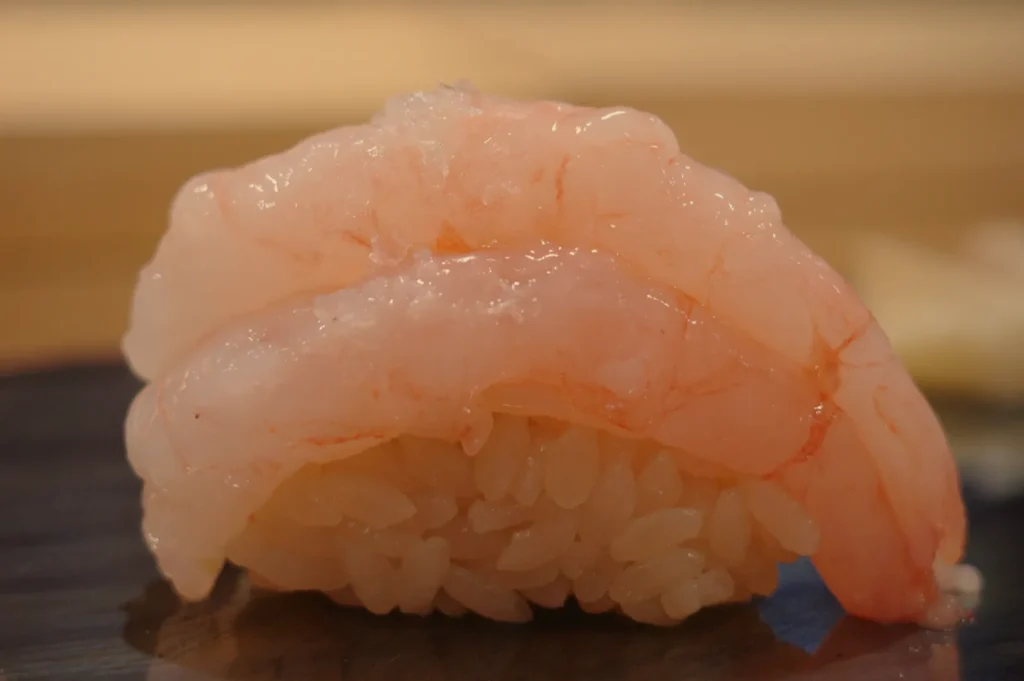
There is also a practical history behind wasabi. Before modern refrigeration, raw fish was handled with great care, and wasabi was valued for its natural antibacterial properties. The compounds responsible for its sharpness have been studied for their ability to inhibit certain bacteria, which helped explain why it was paired with raw fish for generations.
Today, we do not rely on wasabi to keep fish safe. Freshness, careful handling and correct storage are essential, and they do that work. We take them very seriously. Still, the tradition endures because it makes sense. Wasabi was never meant as a cover for poor fish. It was meant as an integral part of the experience, a clean finish that supports the meal.
Wasabi is also associated with a number of health benefits, including antioxidant compounds and potential anti-inflammatory effects. Research in this area continues, and it is best to treat these as a pleasant bonus rather than a reason to eat more. Real wasabi is meant to be enjoyed in small amounts, and its main benefit is flavour. Anyone concerned about foodborne illness should always choose a dining room that sources and handles seafood with care, and that is something we hold ourselves to every evening.
Experience Authentic Wasabi and Japanese Cuisine at Our Counter
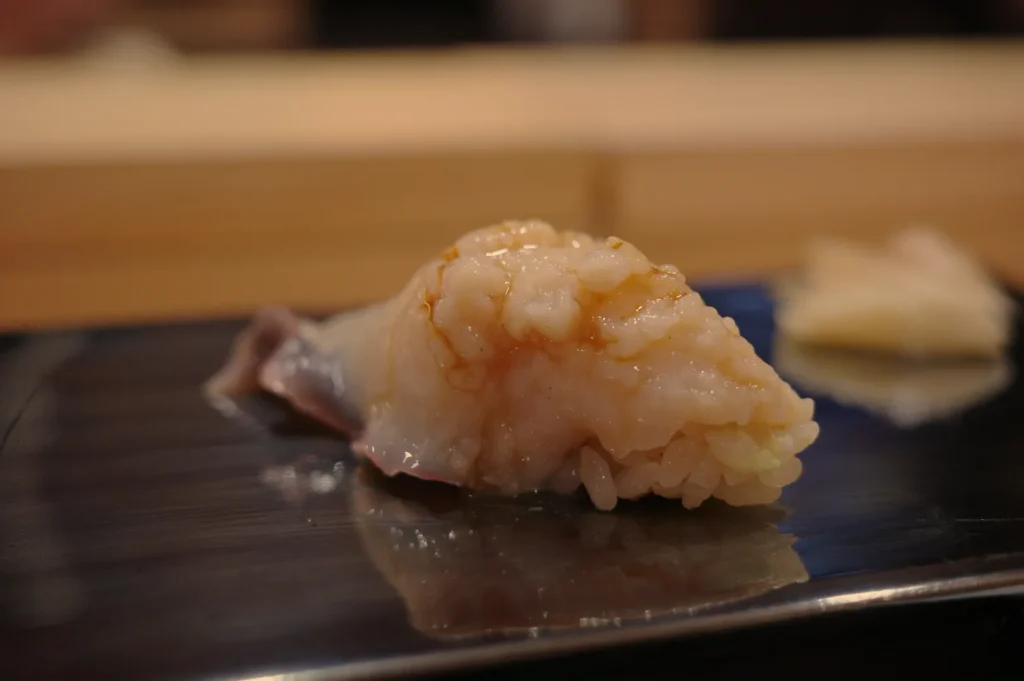
Wasabi in omakase is a small detail with a large effect. It brightens fatty fish, offers a clean break between courses, and shows how much thought sits behind even the simplest piece of sushi. Understanding its role helps guests slow down, savour each bite and appreciate how many decisions go into it.
At Sushi Masa by Ki-Setsu, we invite you to experience this at our eight-seat counter. Chef Masa prepares each omakase course with seasonal seafood from Toyosu, seasoned rice and, of course, wasabi used with purpose. Whether you pair the meal with sake or other drinks, our aim is to give you an evening that feels warm, unhurried and true to Edomae tradition. Please note that the final bill is subject to tax and service charge.
If you enjoy learning about Japanese cuisine, our other blog posts explore more of the traditions behind the counter. We would be delighted to have you dine with us. Come and discover what wasabi can do when it is treated not as heat, but as harmony.