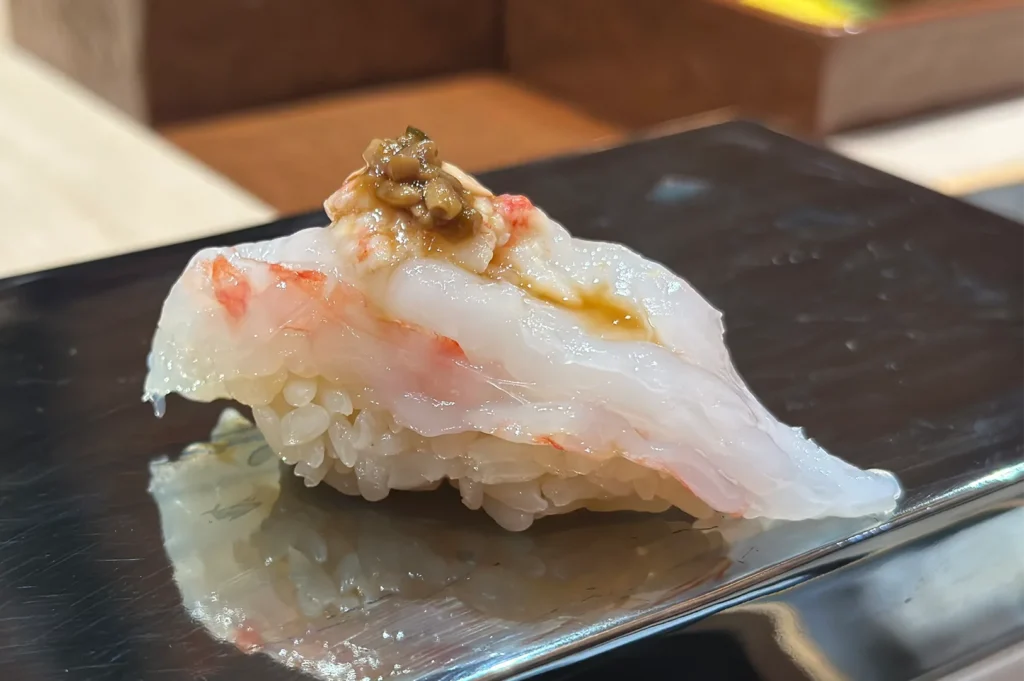
In the upper echelons of Japanese malacology and high end gastronomy, the name botan ebi evokes an image of ruby red elegance and unparalleled succulence. Often referred to as the king of shrimp, this crustacean (scientifically known as Pandalus nipponensis in Japan or Pandalus hypsinotus in its northern iterations) represents the pinnacle of deep water delicacy.
For the discerning diner, the experience of consuming this item is not merely about satiety but about understanding the intersection of marine biology and ancient culinary craftsmanship. While other shellfish provide brine and snap, the botan ebi offers a complex, creamy texture and a naturally sweet profile that has secured its status as a cornerstone of the Edomae sushi tradition.
The Geographical Sovereignty of the Botan Ebi
The botan ebi thrives in the frigid, high pressure depths of the Pacific Ocean, typically found at intervals between 300 and 500 meters. In Japan, the most coveted specimens are harvested from the most northern part of the archipelago, specifically around Hokkaido and the nutrient rich waters of Toyama Bay. These environments are essential for the development of the shrimp’s high fat and sugar content.
The cold temperatures of the northern sea slow the metabolic rate of the prawns, allowing them to accumulate glycine and other amino acids that translate into a profound sweet taste upon consumption. Beyond the Japanese borders, a closely related species known as the spot prawn is harvested in the pristine waters of British Columbia, Canada. This North American counterpart has become a global favorite for those seeking sashimi grade quality when Japanese domestic supplies are seasonal or limited.
Distinctive Biological Markers
Visually, the botan ebi is distinguished by its size and its vivid coloration. A mature specimen can reach a size that dwarfs common cocktail shrimp, often exceeding 15 to 20 centimeters in length. Key identifiers include:
- Vibrant Red Hue: A deep, natural crimson that remains even when raw.
- White Spotting: Distinctive white markings on the carapace, which give the spot prawn its English name.
- Curvature of the Body: A robust, arched texture that indicates high muscle density.
Preserving Excellence: The Necessity of Frozen Botan Ebi
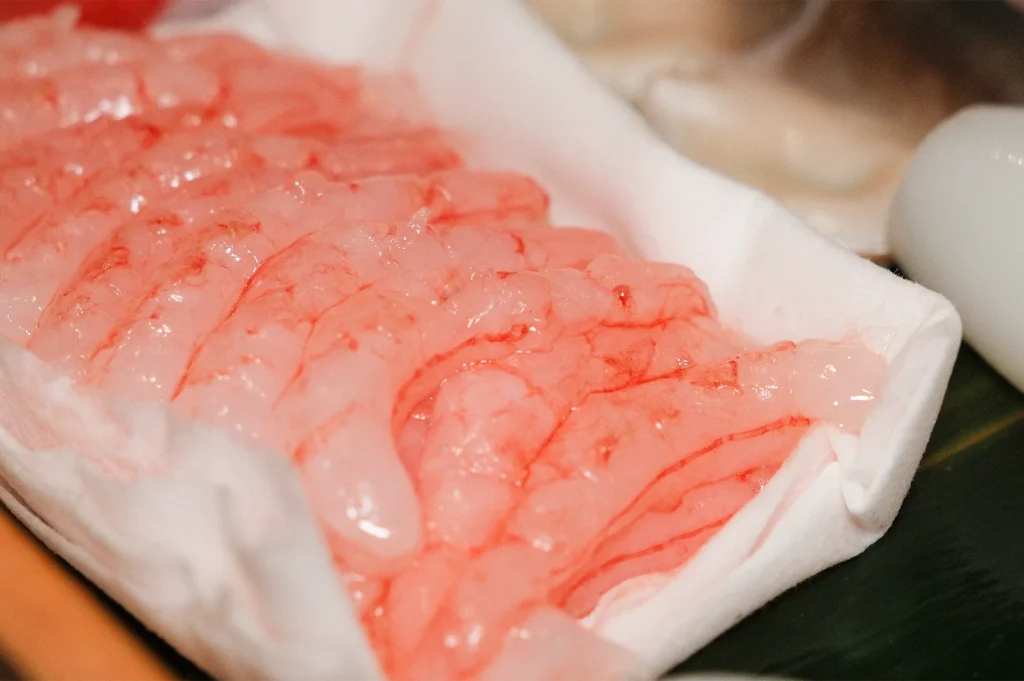
In a world where fresh is often used as a marketing buzzword, the reality of deep sea logistics requires a more nuanced approach. For an ingredient as delicate as this, frozen botan ebi is often superior to a product that has sat in unfrozen transit for several days.
The key to this freshness lies in the technology used on modern fishing vessels. Many high end harvests are immediately flash frozen on board the ship just minutes after being caught. This process halts enzymatic activity that would otherwise lead to the degradation of the head and the softening of the flesh.
The Flash Freezing Advantage
| Feature | Flash Frozen on Board | Standard Refrigerated Transit |
|---|---|---|
| Enzymatic Breakdown | Suspended at the peak of quality | Continuous degradation |
| Texture Integrity | Remains firm and succulent | Becomes mushy over time |
| Flavor Profile | Naturally sweet and clean flavor | Risk of developing shrimpy ammonia notes |
| Longevity | Maintains utmost freshness for months | Must be consumed within 48 to 72 hours |
When a chef or a consumer chooses to place an order for a box of flash frozen prawns, they are essentially hitting a pause button on the ocean’s clock. This ensures that whether the shrimp is served in Japan, Singapore, or beyond, the quality remains consistent.
Culinary Mastery: Preparation and Presentation
When the botan ebi arrives at a premium kitchen, the process of transformation begins with a controlled thaw. The prawns should be moved from the freezer to the refrigerator and allowed to temper slowly. This prevents the ice crystals from damaging the cellular structure, which helps to maintain the signature snap.
The Art of the Raw Cut
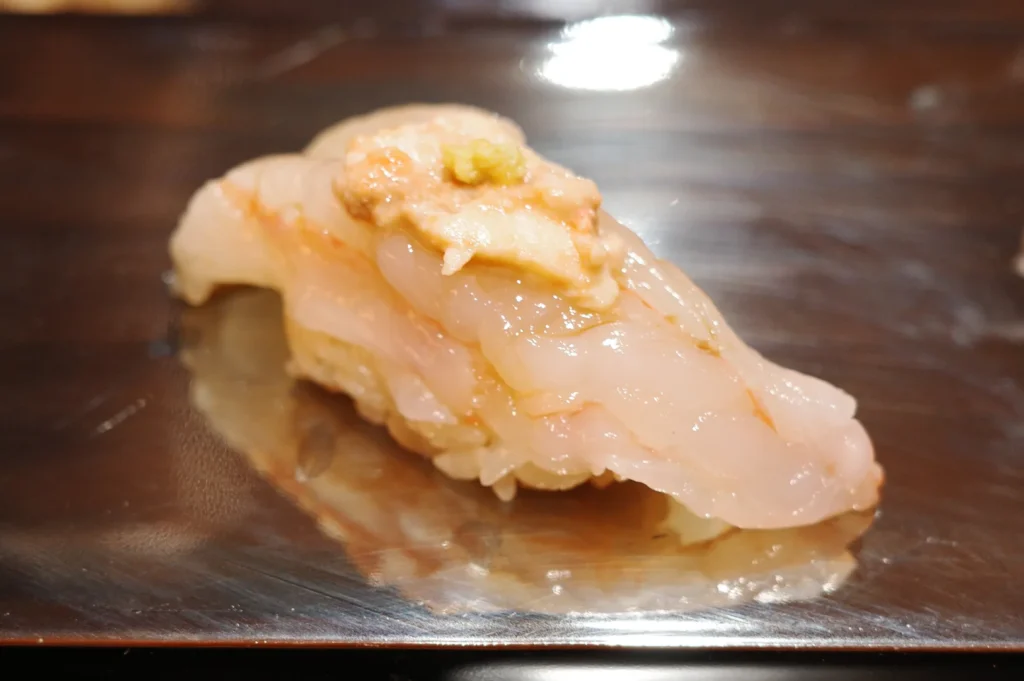
In sushi and sashimi preparations, the botan ebi is typically served raw. A master of the craft will remove the shell with surgical precision, ensuring the miso (the creamy hepatopancreas) inside the head remains intact. This golden liquid is often squeezed onto the tail meat or served as a side to provide a rich, umami laden contrast to the sweet body.
Synergistic Pairings: The Uni Connection
It is quite common in traditional establishments to see the botan ebi paired with uni (sea urchin). The creaminess of the sea urchin complements the firm yet yielding texture of the prawns. This duo is frequently featured in high end sashimi platters or as a decadent item in a premium cart of offerings.
Beyond the Tail: The Utility of the Head and Shell
A hallmark of a sophisticated kitchen is the zero waste approach to premium shrimp. Once the tail is peeled and prepared for sushi, the head becomes a secondary masterpiece.
- Fried Perfection: The heads are often lightly dusted in starch and deep fried at a high temperature. The result is a crunchy, savory treat where the entirety of the shell becomes edible.
- Luxurious Stock: Alternatively, the heads are used to create a deep, aromatic stock. This liquid serves as the base for clear soups that highlight the clean flavor of the sea.
- Grilling: In some regions, the whole shrimp is cooked over binchotan charcoal, which caramelizes the sugars in the shell while keeping the interior moist.
Navigating the Spot Prawn Market: How to Order and Maintain Quality
For those looking to place an order for home consumption or for a small boutique kitchen, understanding the terms of quality is paramount. When you decrease quantity in favor of higher quality, the results on the plate are markedly different.
- Packaging: Look for shrimp that are individually protected in a pack or vacuum sealed to prevent freezer burn.
- Quantity Control: Because of their richness, a smaller quantity of larger sized prawns is often more satisfying than a large volume of smaller ones.
- Direct Sourcing: Whenever possible, seek suppliers that source directly from of Japan or the northern depths of Canada to ensure the chain of custody is short.
When the box arrives, it should be kept in the coldest part of the freezer. Once you decide to thaw the item, it must be consumed immediately to experience the utmost freshness. Never refreeze a prawn that has been thawed, as this will destroy the delicate protein strands and result in a chalky taste.
Sustainability and Future Sourcing
As demand for sashimi grade shellfish grows, the industry has pivoted toward more sustainable practices. In British Columbia and Hokkaido, strict regulations on size and seasonal windows ensure that the population remains healthy. By choosing frozen botan ebi that is certified by marine stewardship councils, consumers play a role in ensuring these creatures continue to thrive in the cold depths of the northern oceans.
The botan ebi is a testament to the idea that nature, when left to its own devices in the harshest of environments, produces the most delicate of rewards. It is an ingredient that demands respect, from the vessels that pull them from the sea to the final sushi counter where they are served.
Savor the Essence of Botan Ebi at Sushi Masa by Ki-setsu
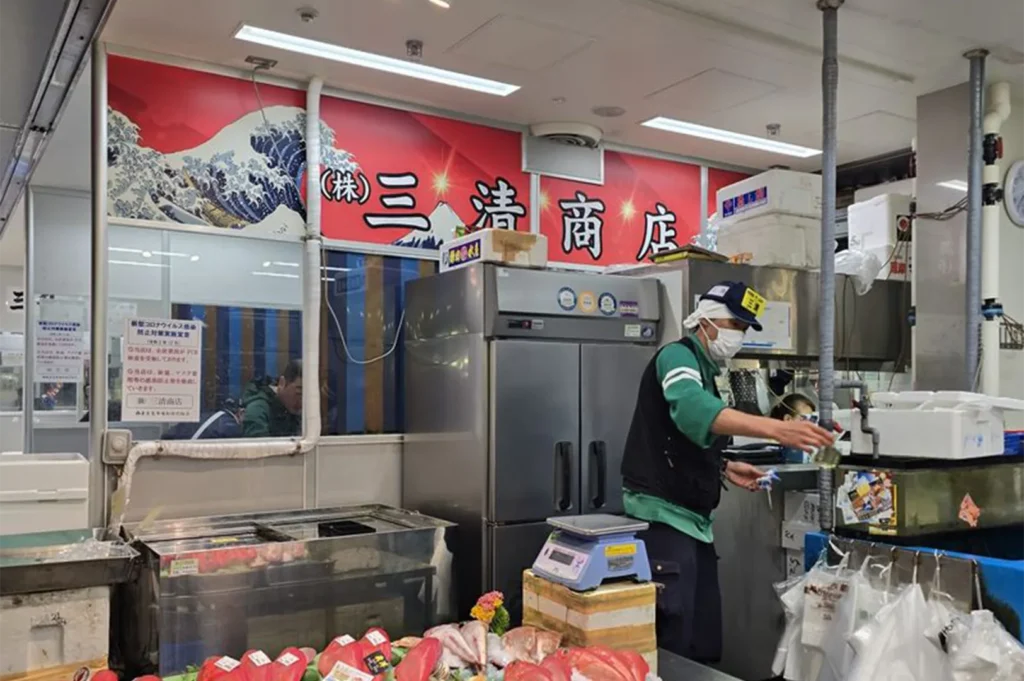
The journey of the botan ebi from the northern depths to the plate is one of meticulous care, a philosophy that mirrors our own. At Sushi Masa by Ki-setsu, our chef honors the Edomae tradition by selecting only the finest sashimi grade prawns sourced directly from Toyosu Market.
During our dinner service, each item is prepared with a deep respect for its naturally sweet profile and firm texture, ensuring that the freshness of the ocean is the star of the evening.
We invite you to experience our omakase model, where Chef Masa orchestrates a sequence of flavors that highlights the very best of the season’s seafood. Join us to witness how tradition and sourcing converge in a singular, unforgettable dining experience.