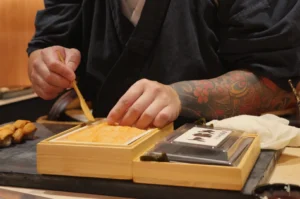
There is a quiet truth that seasoned diners in Singapore have come to understand: the best Japanese sushi in Singapore is rarely found under bright lights or behind a sprawling menu. It is found in stillness, in precision, and in the deliberate hands of a chef who has devoted his life to a single craft.
This dedication ensures that each piece served is not just food, but a carefully crafted experience that reflects the harmony of tradition and artistry, especially within the realm of Japanese omakase dining.
What Sets the Best Sushi Apart in Singapore’s Restaurants
In a dining landscape filled with conveyor belt sushi such as Sushi Express and Genki Sushi, casual sushi bars like Tomi Sushi, and high-volume Japanese restaurants including Sushi Tei and Sen-ryo, most diners find exactly what they came for: convenience, familiarity, and a satisfying meal. These formats serve a real purpose. But they also share a ceiling, one that omakase was never designed to have.
This is the story of what lies beyond that ceiling, and why the omakase format, guided by a singular chef, remains the most honest expression of the art.
For every person who finds joy in a casual sushi roll or a simple donburi, there is another who eventually wonders what sushi looks like when every constraint is removed. Not just the price ceiling, but the menu, the clock, the compromises. The gap between an everyday sushi restaurant and a genuine omakase restaurant is not merely financial. It is philosophical, and once you understand that gap, the rest of Japanese dining culture quietly rearranges itself around it.
Why Sourcing Separates Good Sushi from Exceptional Sushi
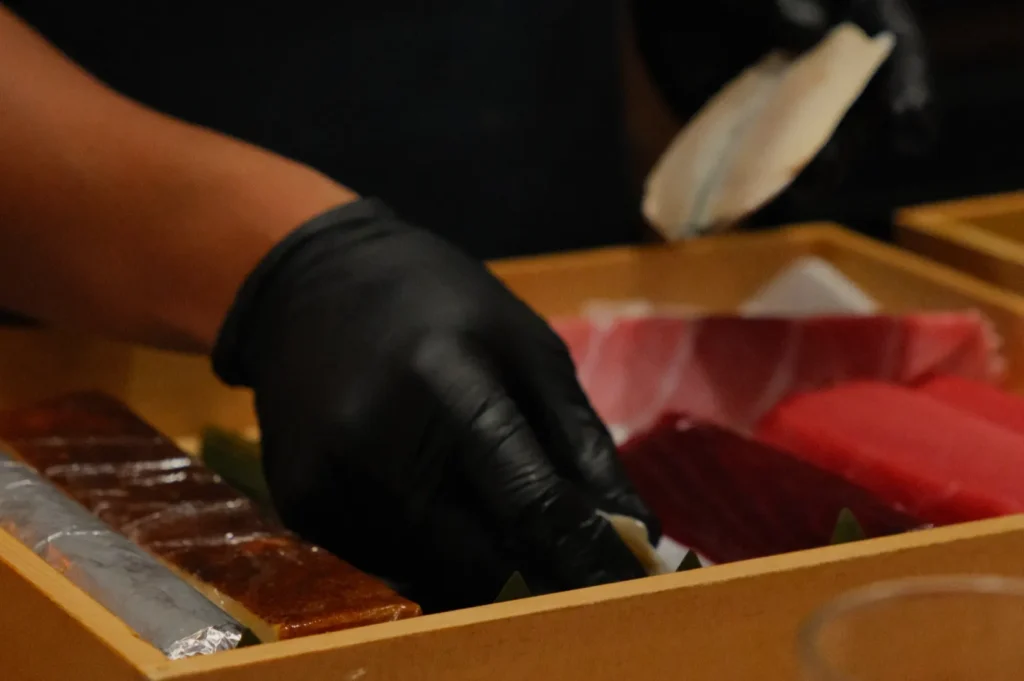
At the heart of that philosophy is an uncompromising commitment to fresh seafood. In Japan, this starts at Toyosu Market in Tokyo, the world’s premier seafood market, where buyers select fish before dawn. Sushi Masa by Ki-Setsu maintains this standard by flying fresh seafood directly from Toyosu to Singapore daily. This logistical dedication redefines what’s possible at the sushi counter.
Most sushi restaurants, even reputable ones like Sushi Jiro and Itacho Sushi, work with seafood that has passed through layers of distribution. That is not a criticism; it is simply the economics of scale. But the difference in texture, flavour, and aroma between truly fresh sashimi and fish that has lingered in transit is something any attentive diner will notice.
When a piece of exquisite sushi yields gently on the tongue, that moment depends entirely on ingredients sourced with intention and handled with the kind of skill that only a dedicated counter, and a single guiding chef, can sustain.
The Edomae Tradition Behind Exceptional Fresh Sashimi
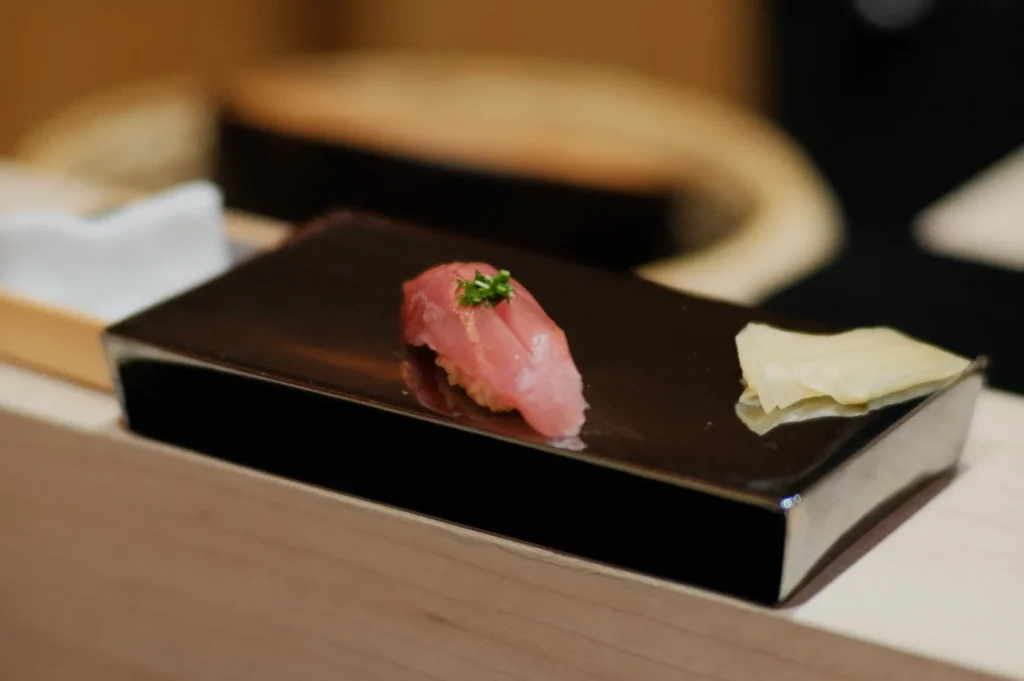
The word “Edomae” refers to the historical fishing grounds of Edo, now modern-day Tokyo, and the preservation techniques developed by the city’s early sushi masters. Before refrigeration existed, sushi chefs developed methods of curing, marinating, and aging fish to coax out deeper, more complex flavours. These techniques, refined over centuries, form the backbone of what we consider premium sushi today, and they represent the authentic foundation of everything served at our counter.
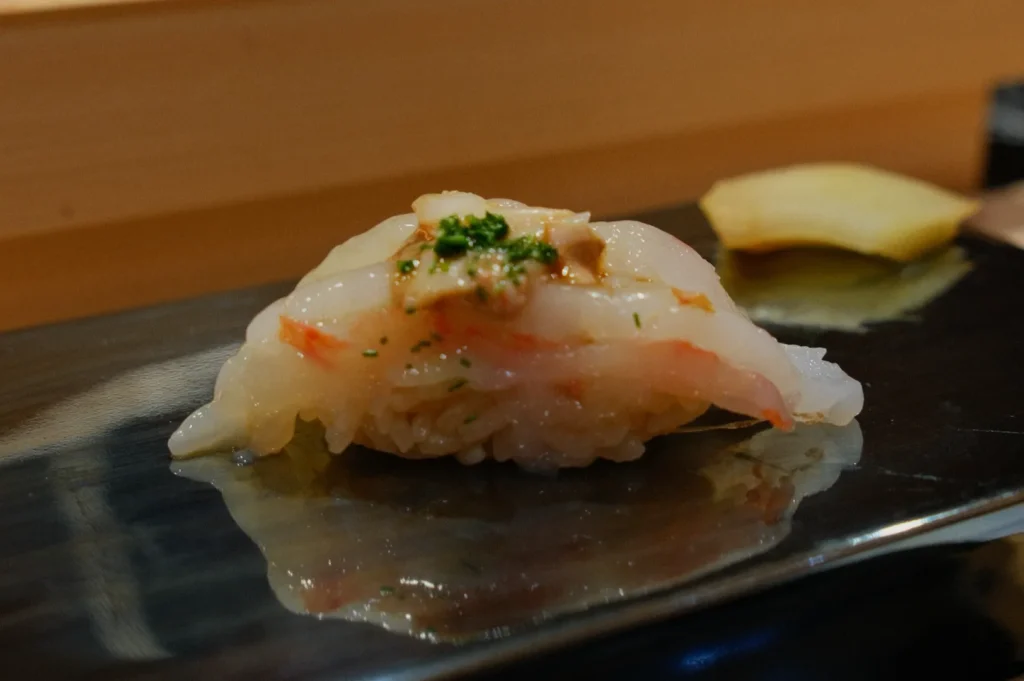
Many Japanese restaurants in Singapore have adopted the Edomae label, but few practise it fully. It requires patience, restraint, and deep knowledge of each fish’s character. Assorted sashimi prepared through Edomae methodology is more than sliced fish; it reflects a chef’s choices on aging, vinegar ratio in the shari (sushi rice), and how fish temperature aligns with the rice when served. This is authentic Japanese dining at its highest level.
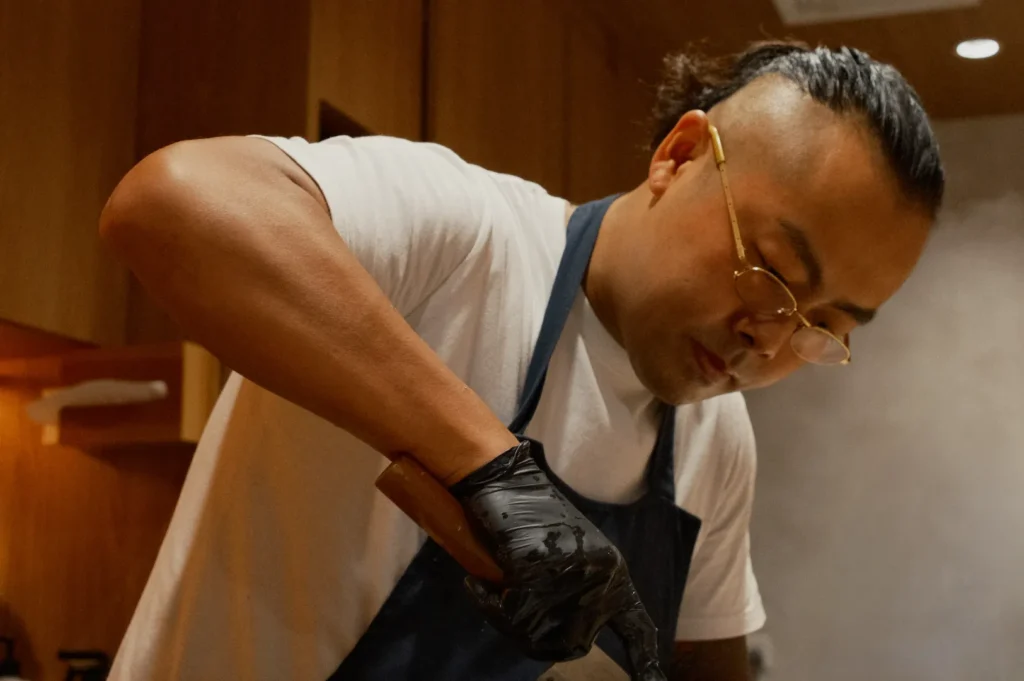
Chef Masa, the force behind Sushi Masa by Ki-Setsu, trained extensively in Japan before bringing this tradition to Singapore. His approach is disciplined and seasonal, guided by Japan’s offerings rather than a fixed menu. Each dinner course is a living document of the season, expressed through nigiri, fresh sashimi, signature warm dishes, and delicate appetisers that shift with the months.
Why a Single Chef at an Omakase Restaurant Changes Everything
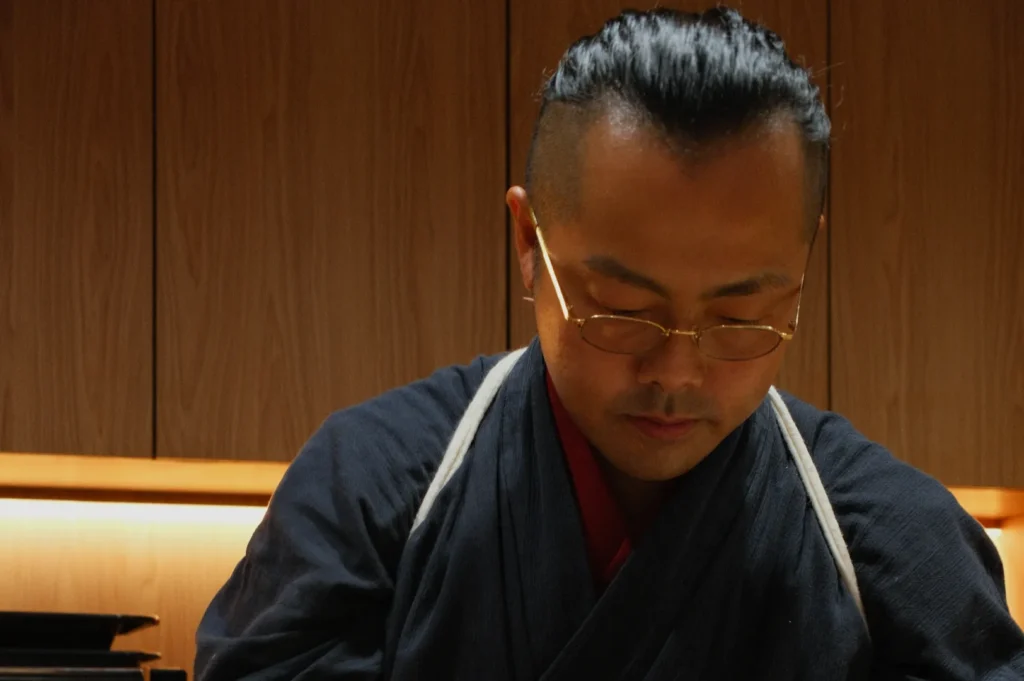
The omakase model is built on trust. A diner surrenders choice and, in doing so, receives something more valuable: the chef’s complete and undivided attention. In larger sushi restaurants, dishes may be prepared by multiple hands with varying levels of experience. Consistency becomes a challenge, and the personal relationship between chef and diner is diluted across a busy dining room.
At Sushi Masa by Ki-Setsu, the eight-seat counter functions as an intimate sushi bar where every person has a direct line of sight to Chef Masa. There are no intermediaries. Every piece of sushi, every portion of premium sashimi, every signature element of the meal is shaped by the same hands and informed by the same philosophy. For those seeking an authentic dining experience at a sushi bar in Singapore, this singular focus is what sets our outlet apart from every other Japanese restaurant in the city.
Discovering Quality Through the Omakase Dining Experience
For diners exploring Japanese restaurant options in Singapore, understanding what to look for can transform an enjoyable dinner into a genuinely illuminating dining experience. Several markers distinguish premium sushi from the ordinary, and recognising them will serve any food lover well.
The Rice
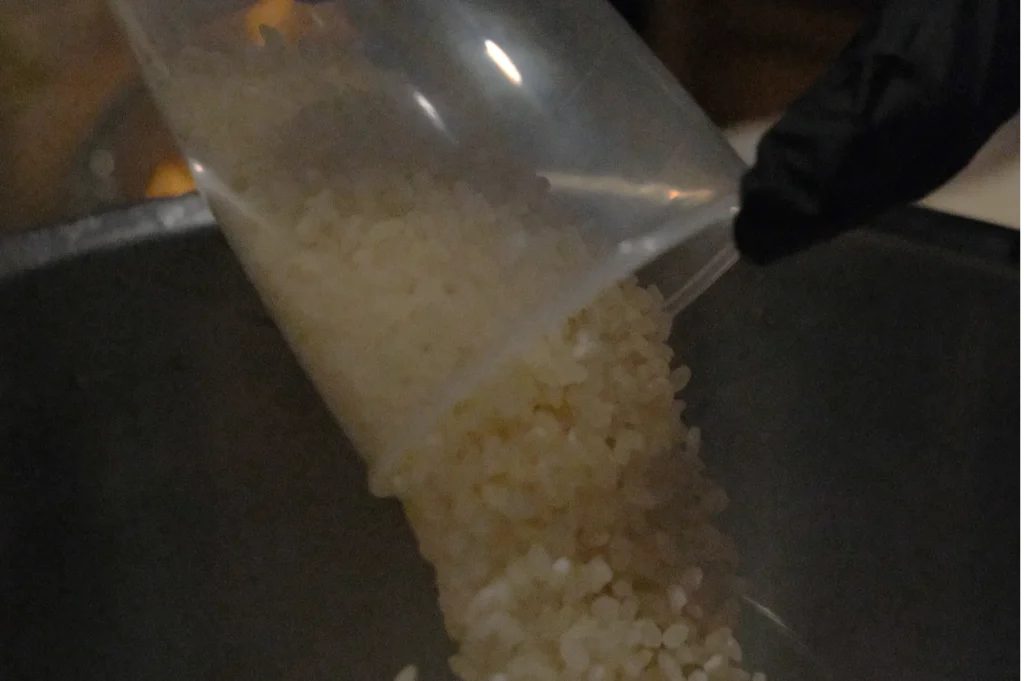
Sushi rice, or shari, is the foundation of every nigiri sushi. It should be seasoned with a quality rice vinegar blend, formed at body temperature, and textured so that it holds its shape yet dissolves gracefully on the palate. Many sushi restaurants treat rice as an afterthought. In the Edomae tradition, it is considered equal in importance to the fish itself.
The Fish
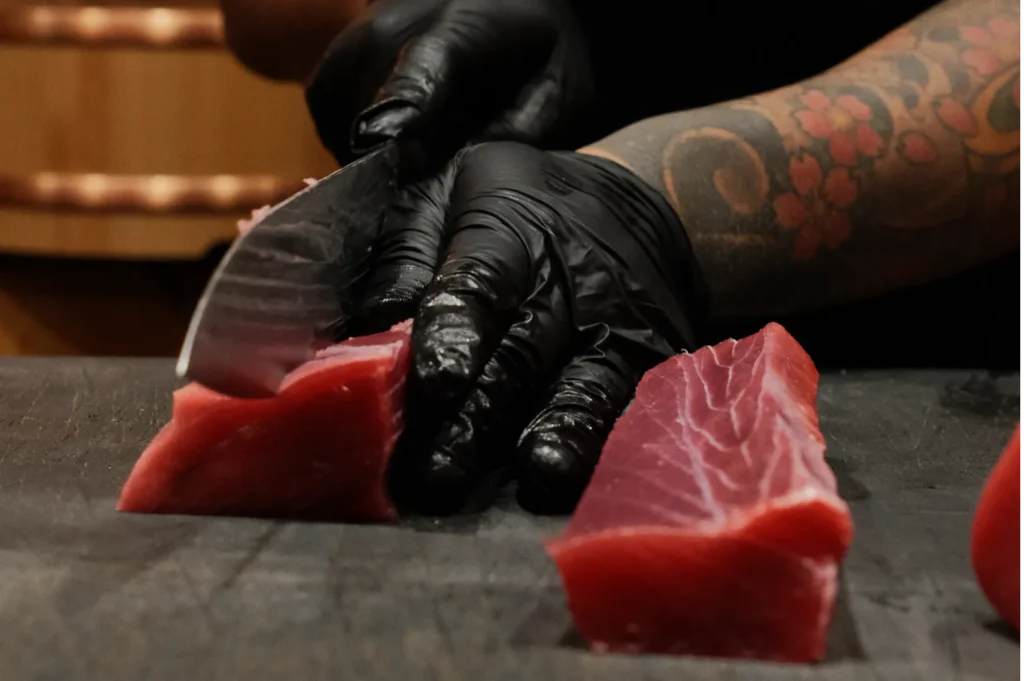
Fresh sushi begins with fresh seafood handled at every stage with intention. Premium sashimi should never carry a sharp or metallic odour. Quality salmon, in particular, should be deeply coloured, clean on the palate, and yielding without being soft. Fresh sashimi featuring premium ingredients such as uni speaks volumes about a restaurant’s sourcing standards at a single glance.
The Sake
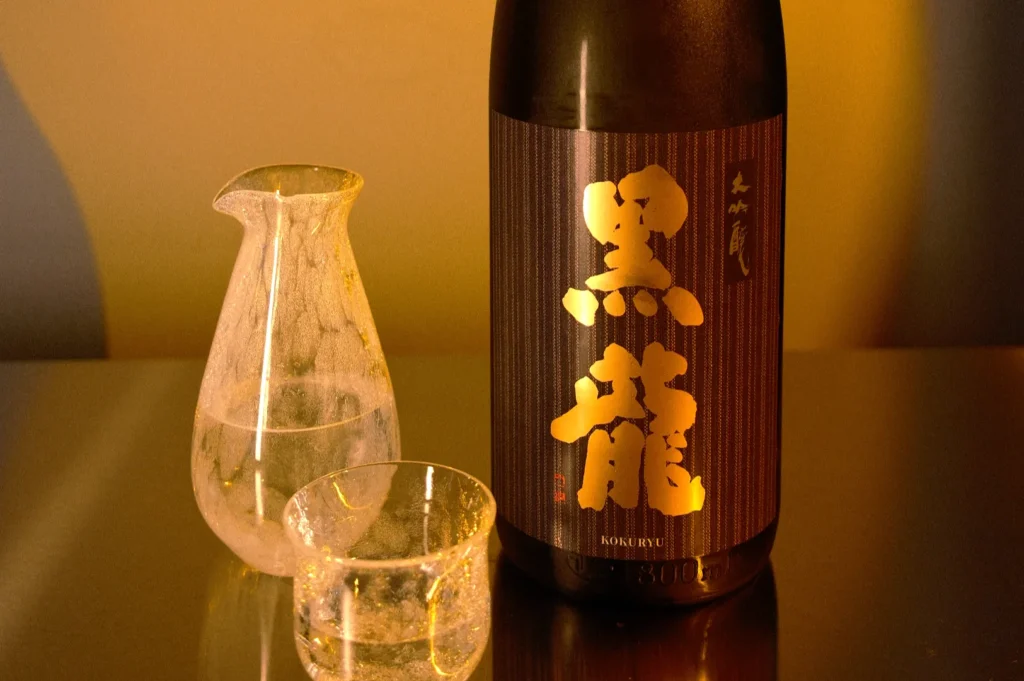
An authentic omakase dining experience is incomplete without thoughtful sake pairings. Chef Masa selects sake to mirror the character of each dish, from delicate junmai ginjo poured alongside fresh sashimi, to richer sake served with signature warm courses. Guests who approach sake with curiosity often find it transforms their entire dining experience, adding dimension to every plate at the table.
The Pacing
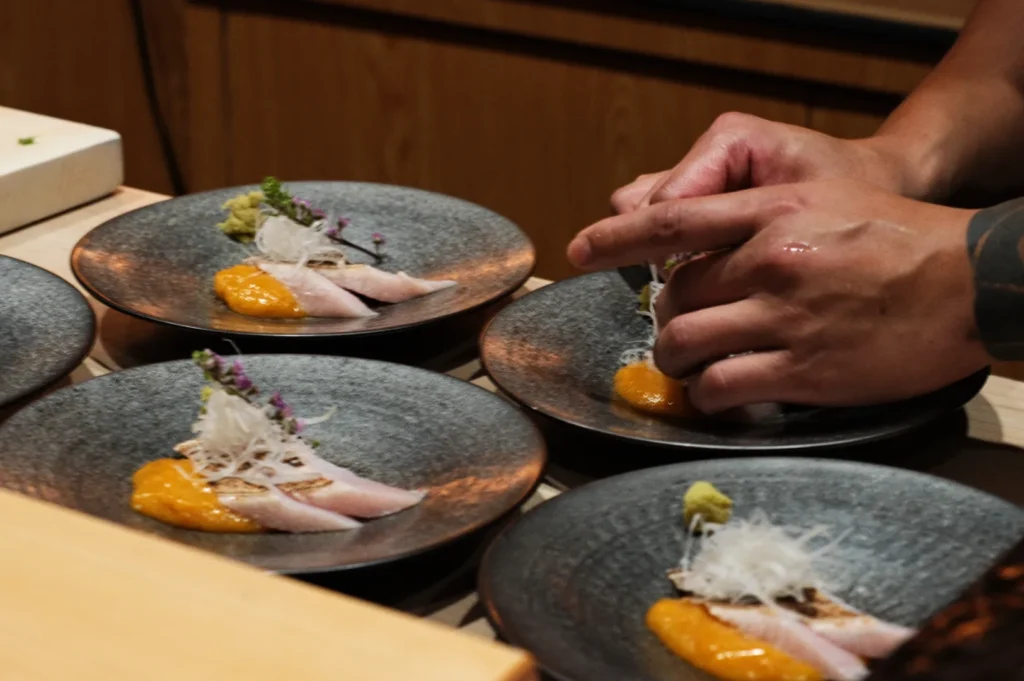
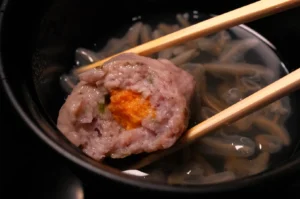
A well-structured omakase dinner follows a rhythm built for the dining table. It begins with lighter appetisers and a refined dashi soup that opens the palate without overwhelming it. Courses build gradually through fresh sashimi, signature nigiri sushi, and warm dishes before arriving at a considered close. Towards the end of the meal, a miso soup prepared with clams is served, grounding the dining experience before dessert. Every element is deliberately sequenced so that each person at the table finishes the meal feeling wholly satisfied.
The Seasonal Soul of the Best Japanese Restaurant Experience
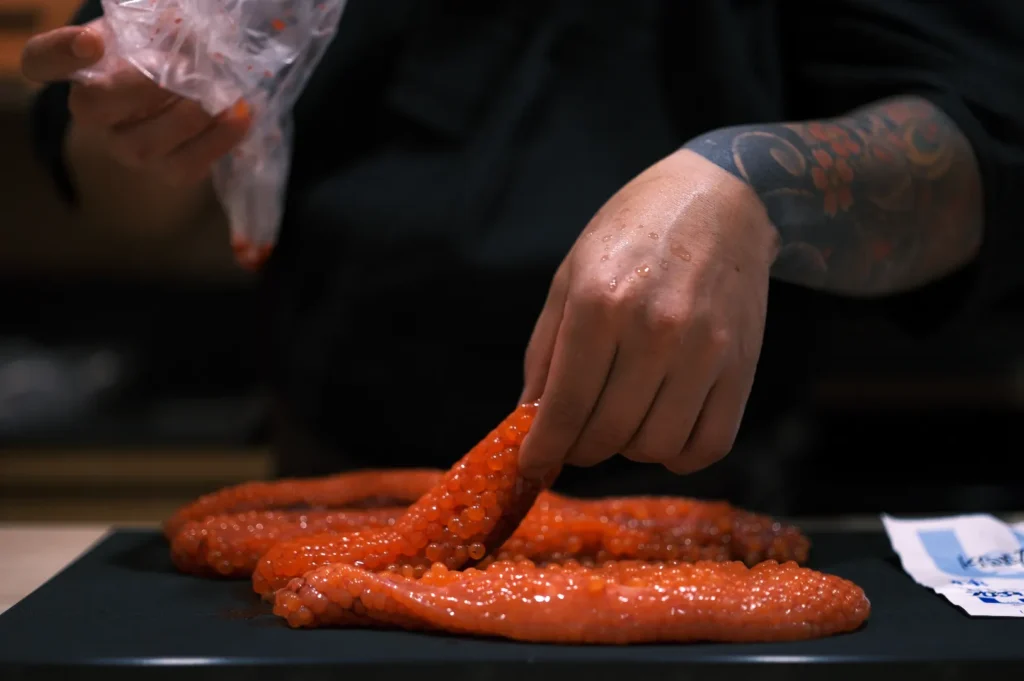
One reason the best Japanese sushi in Singapore can never be replicated by a static menu is that Japanese cuisine is fundamentally seasonal. The fish that appear in winter differ from those of spring. Summer brings certain varieties of shellfish to their peak, including tempura specialties that highlight seasonal ingredients. Autumn offers fish fattened from months of feeding before the cold arrives, and the signature sake selections shift in harmony with the season.
At Sushi Masa by Ki-Setsu, the omakase dinner menu is rebuilt around these rhythms. What guests enjoy in one season, they may not encounter in the next, because Chef Masa is responding to what Japan’s waters and markets are offering at that precise moment. This is not a limitation. It is an invitation to return, to discover, and to deepen your understanding of Japanese dining over time.
Friends who dine together across different seasons often remark on just how different, and yet consistently exquisite, each visit feels. It is the kind of dining experience that families return to for special occasions, year after year, because no two evenings at the sushi bar are ever quite the same.
Why Omakase Remains the Most Authentic Way to Dine on Japanese Sushi
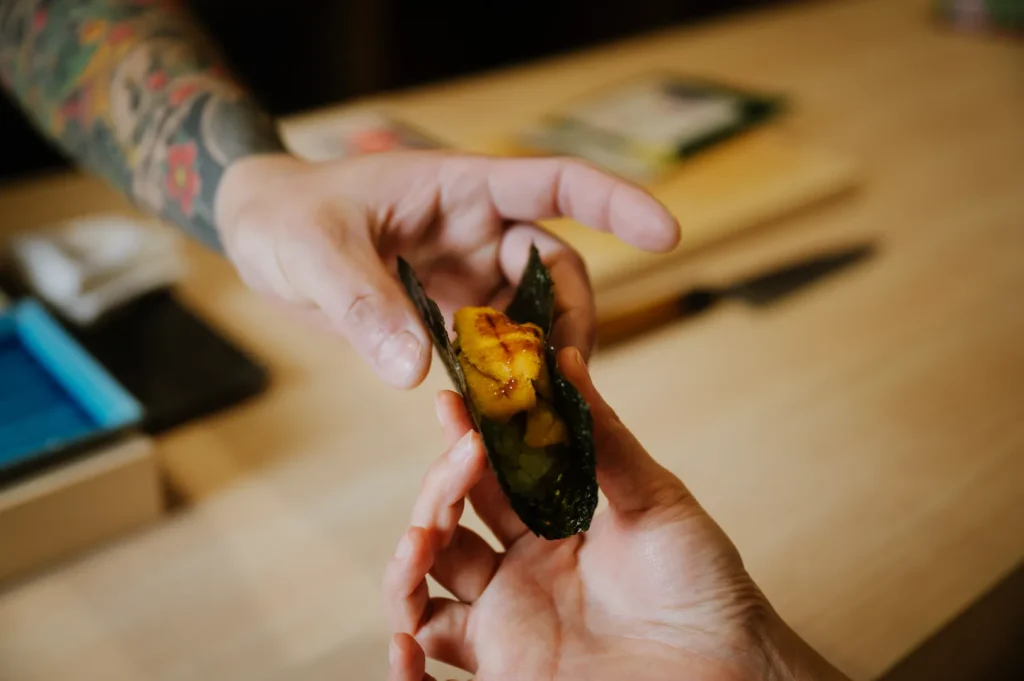
Across Singapore’s Japanese restaurants, the word “omakase” has become increasingly common. Some restaurants use it to describe a set meal with limited flexibility. Others apply it to fixed dinners with little resemblance to the tradition. True omakase is not a price bracket. It is a relationship between chef and diner built on mutual respect, and for many it represents a considered splurge that delivers extraordinary value precisely because nothing is left to chance.
At an omakase counter, saying “I trust you” is a centuries-old ritual. The chef honors this trust with the best ingredients of the day, prepared expertly and served at their peak. Sushi Masa by Ki-Setsu embodies this principle, from fresh seafood flown daily from Toyosu to the signature dessert that ends the meal.
For special occasions or meaningful gatherings, an omakase dinner with Chef Masa offers an experience no conveyor belt or casual sushi bar can match. It is a worthwhile splurge that many guests return to season after season.
An Invitation to Experience One of the Best Sushi Restaurants in Singapore
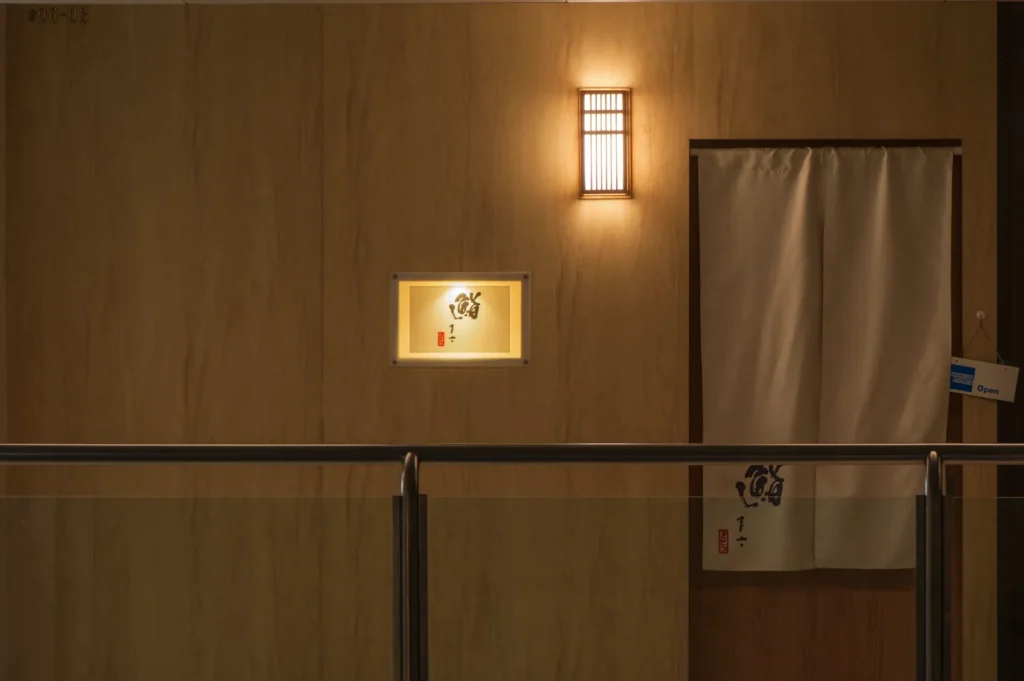
If you have only ever experienced Japanese sushi through casual sushi restaurants or sushi bars with a regular menu, we encourage you to consider what lies beyond. The best sushi in Singapore does not announce itself loudly. It exists in quiet, intimate dining rooms, shaped by chefs who measure success not in volume but in the satisfaction of every person seated at the table.
For a deeper look at what sets the most exclusive end of Singapore’s sushi scene apart, we recommend reading Is This Singapore’s Most Exclusive Sushi Japanese Restaurant? Unveiling Sushi Masa by Ki-Setsu, a full review of the dining experience at our counter, written from a guest’s perspective.
Our Cuppage Plaza outlet opens for dinner on Tuesdays through Saturday. Sunday opening hours are reserved for private bookings, perfect for families or friends seeking an exclusive dining experience away from the sun and bustle of the week.
We strongly recommend reserving your table well in advance, as seating is limited to eight guests per session. Book your seat at Sushi Masa by Ki-Setsu, or contact our concierge directly. We look forward to welcoming you.