In a Japanese kitchen in late autumn, the fragrance arrives before the fruit does: a bright, floral scent that cuts through the air like cold sunlight. That is yuzu, a small, knobbly citrus fruit that has quietly shaped Japanese cuisine for centuries.
At Sushi Masa by Ki-Setsu, where we serve Japanese omakase, we have deep respect for ingredients that work with restraint, and yuzu is one of the finest examples. It does not shout. It lifts, sharpens and brightens, then steps back and lets everything else shine. Here, we explore where yuzu comes from, how it is used at the table, and why it deserves a place in every home kitchen.
Yuzu: A Citrus Fruit with Deep Roots across East Asia
Yuzu, known botanically as Citrus Junos, is believed to have originated in central China before spreading across East Asia. It reached Japan by way of the Korean Peninsula many centuries ago and found a welcoming home in the cooler climate of the Japanese islands. By the Edo period, yuzu had become a familiar sight in the kitchens of Edo, the city we now call Tokyo. It seasoned sauces, brightened simple dishes and perfumed baths.
Unlike its more famous cousins, yuzu is rarely eaten as a fruit. The flesh is packed with seeds and yields little juice, so its value lies in the juice, the peel and the aroma. Many people describe the flavour as a meeting point between grapefruit, lemon and mandarin, with a floral note that no other citrus quite matches. Compared with other citrus fruits such as lemon or lime, yuzu is more fragrant, and its acidity feels rounder, with a gentle bitterness that adds depth rather than harshness.
Yuzu Trees and the Patience Behind Every Harvest

Yuzu trees are hardy, thorny and famously unhurried. A tree grown from seed can take a decade or more to bear fruit, and an old Japanese saying teases those who wait for it. The plant grows slowly, but it tolerates cold far better than most citrus, which is why it thrives in the mountain valleys of southern Japan. White blossoms and tiny buds appear in spring, and the fruit follows patiently through the year.
Kochi Prefecture on the island of Shikoku is the heartland of production, with Tokushima Prefecture close behind. In these river valleys, there is a significant temperature gap between warm days and cool nights. This swing is thought to concentrate the aroma in the skin of the fruit. In the local cuisine of these regions, yuzu is an everyday staple rather than a luxury, and many households keep a tree in the garden.
Green Yuzu and Yellow Yuzu
Yuzu is harvested in two stages. Green fruit is picked early, from late summer, when the fragrance is sharp, grassy and intense. Yellow fruit is harvested once full ripeness arrives in late autumn, and its aroma turns rounder and sweeter. Small black dots and blemishes on the skin often come from wind and thorns. They are the natural marks of a fruit cultivated outdoors, not a flaw.
Fresh Yuzu and Yuzu Juice in Japanese Cuisine
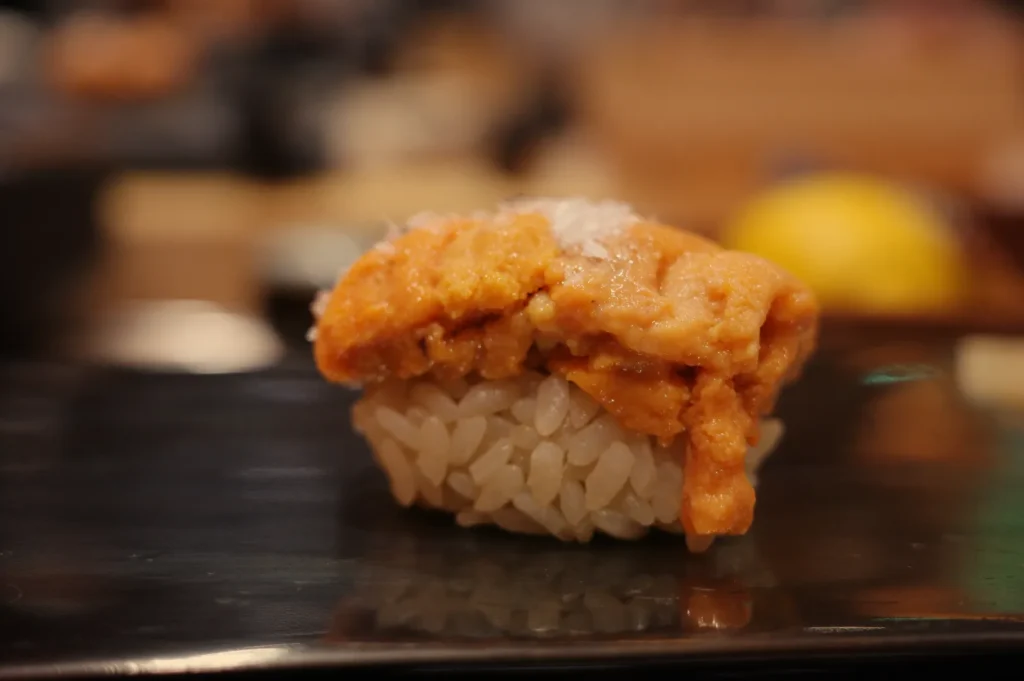
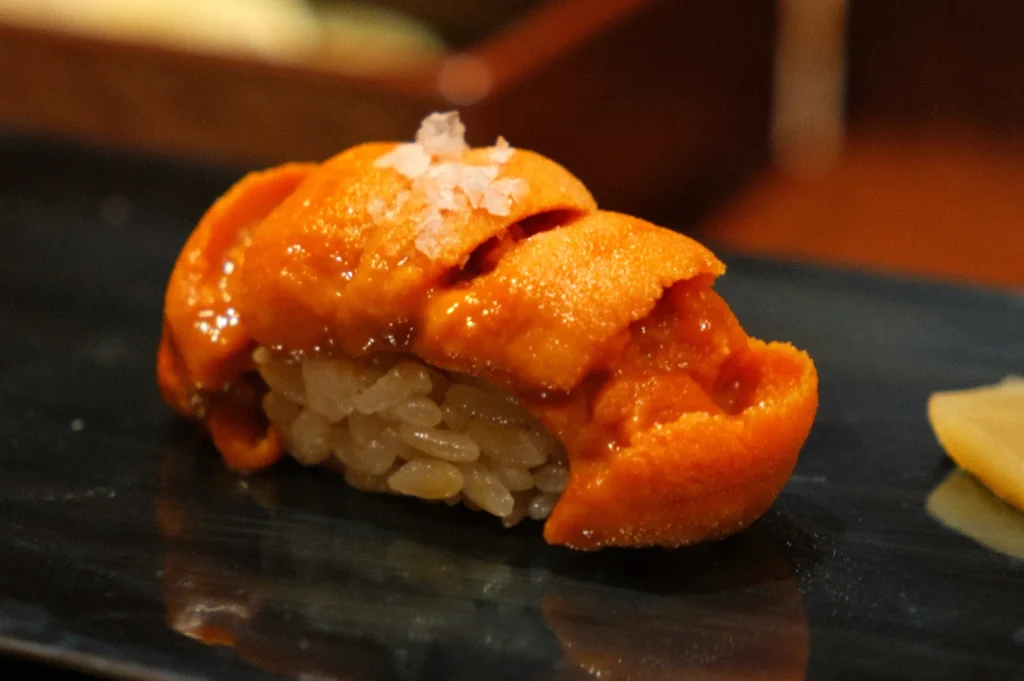
In Japanese cuisine, fresh yuzu is treated as a finishing touch. A few drops of juice over grilled fish, a curl of peel floating in a clear broth, or a scattering of zest over a chilled dish can transform the whole plate. The idea is balance. Japanese cooking prizes clean flavour, and yuzu supplies acidity without the sharper edge of lemon or lime. It is a philosophy shared by the Edomae style of sushi that Chef Masa practises at Sushi Masa by Ki-Setsu, where acidity and salt have long been used to bring out the character of the fish.
Because the fruit is small and generous with neither juice nor pulp, many households rely on pure yuzu juice sold in a bottle. When choosing one, look for a label that lists only yuzu, without added sugar or preservatives. A good bottle keeps the tart, floral character of the fruit and lasts far longer in the refrigerator than the fruit itself.
Yuzu Ponzu, Soy Sauce and Salad Dressings
Yuzu ponzu is perhaps its best-known role. A classic ponzu combines soy sauce, dashi, vinegar and citrus, and using yuzu gives it a fragrant lift that suits seafood beautifully. Whisk it with a little oil and it becomes a bright dressing for salads. Stir it with a pinch of salt and it seasons steamed vegetables with barely any effort.
Yuzu kosho, a fiery paste of green chilli, salt and yuzu peel, is another beloved condiment. A tiny amount wakes up a simple dish. From vinaigrettes to dipping sauces, yuzu has become one of the most adaptable seasoning choices in the Japanese pantry.
Yuzu Peel, Zest and the Art of Restraint
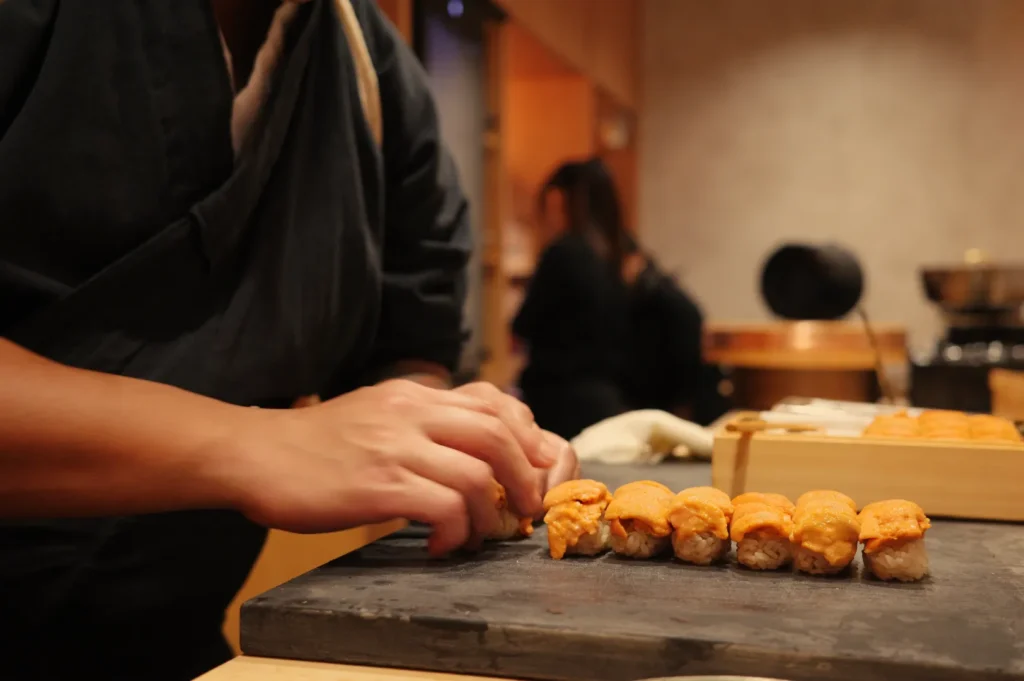
The peel holds the most aromatic oils in the fruit, which is why yuzu peel is used so carefully in Japanese cooking. Thin slivers might rest on a simmered dish, or a fine zest might be grated at the very last moment so the fragrance is at its peak. Heat dulls the aroma quickly, so timing matters as much as quantity.
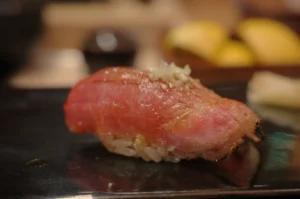
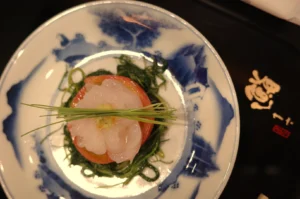
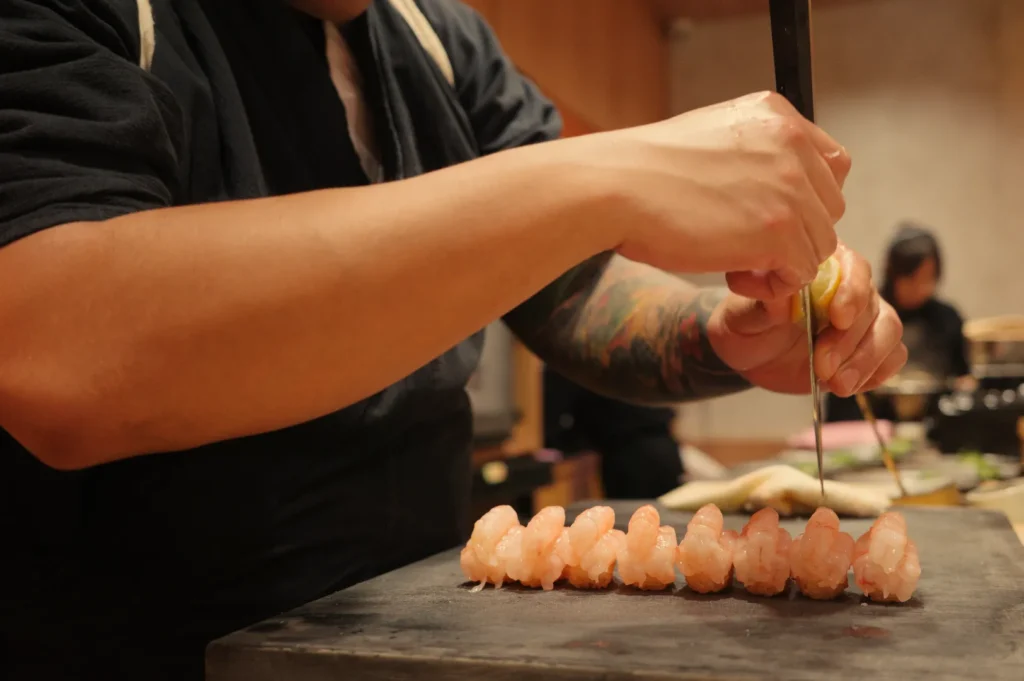
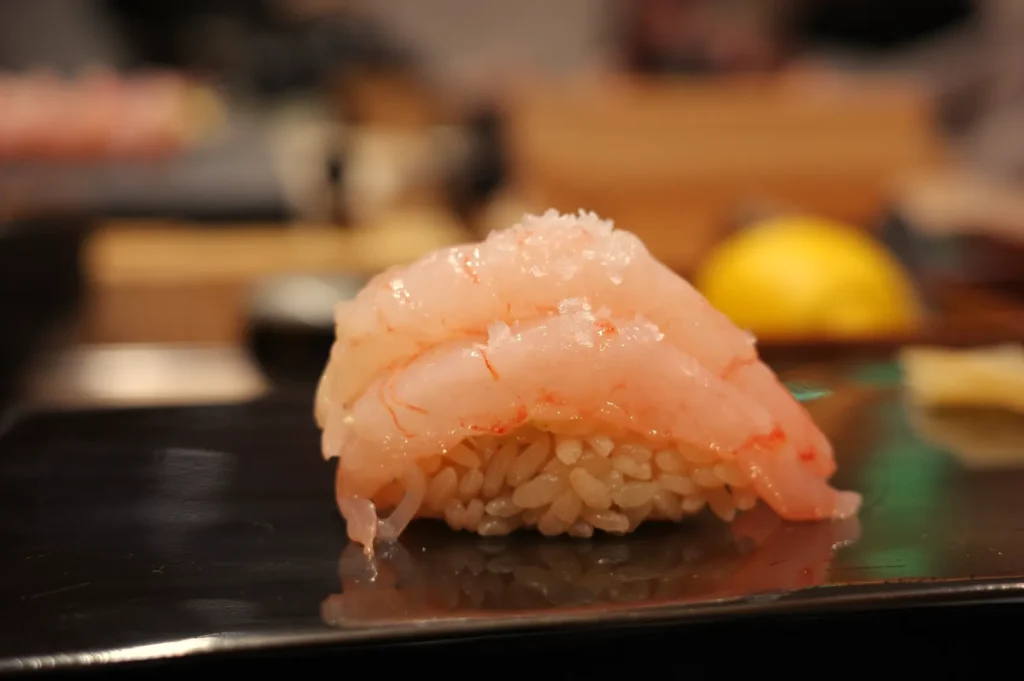
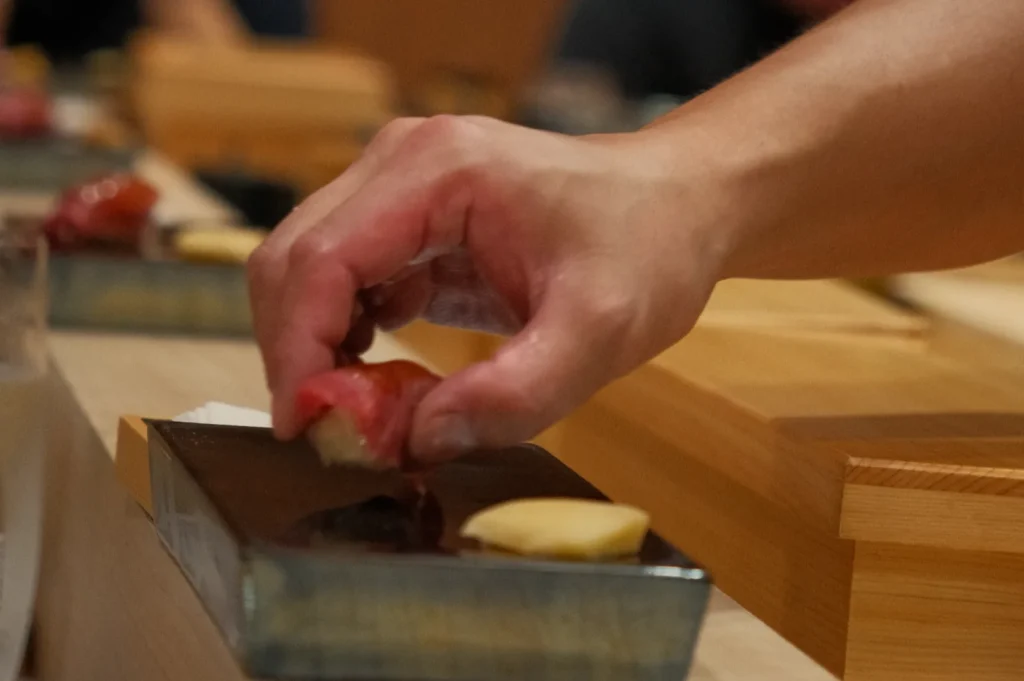
This restraint is close to how we think about food at Sushi Masa by Ki-Setsu. Chef Masa trained in Tokyo in the Edomae tradition, where seasoning is meant to enhance the fish rather than mask it. A hint of citrus zest, used at the right moment and on the right ingredient, can lift the natural sweetness of seafood without drawing attention to itself. That principle guides every course at our eight-seat counter, where the fish arrives from Toyosu Market and every seasoning is kept precise.
Beyond savoury dishes, yuzu is a favourite in desserts and baking. Its zest flavours cakes, sorbets and shortbread, and the fruit turns into a glossy marmalade when simmered with sugar. Even the seeds have a use. They are rich in pectin and have traditionally been steeped to make a soothing lotion for the skin.
Yuzu Drinks, Yuzu Tea and Yuzu Cocktails

Yuzu is just as rewarding in a glass. Yuzu tea, known as yuja-cha in Korea, is made by preserving sliced fruit and peel in honey, then stirring a spoonful into hot water. It is a comforting winter drink and a gentle remedy for a scratchy throat.
For a refreshing drink in warmer months, stir yuzu juice with a little honey and top it with still or sparkling water. The result is clean, lightly tart and far more nuanced than a simple lemonade. Sparkling water in particular lifts the aroma and makes the drink a lovely companion to a meal. It is a small reminder of why a well-paced omakase dinner pairs so naturally with sake and other refreshing drinks: acidity and freshness reset the palate between courses of seafood.
Yuzu cocktails have also earned a devoted following. Yuzu pairs beautifully with sake, shochu, gin and vodka, and a small measure adds acidity and fragrance to a highball or spritz. Its bitterness is soft enough to balance sweetness, so it suits both light and spirited recipes. For those who prefer no alcohol, yuzu with soda and a sprig of mint makes an elegant alternative.
The Yuzu Bath and the Winter Solstice
In Japan, the winter solstice is marked with a warm yuzu bath, known as yuzu-yu. Whole fruit are floated in the bath water, releasing their oils and a soothing citrus fragrance that fills the room. Tradition holds that the bath guards against colds through the coldest months, and the custom has been kept for centuries. Wordplay adds to the charm, as the name for the solstice sounds much like the word for hot-spring healing.
The skin feels soft afterwards, and many families finish the evening with a warm dish flavoured with yuzu peel or a mug of yuzu tea. The custom says something we love about Japanese culture: ingredients are never only ingredients. They mark the seasons, comfort the body and bring people together. Our omakase follows the same spirit, with a menu that shifts as the seasons turn, so that every visit to our counter reflects the time of year.
Bringing Yuzu Into Your Own Kitchen
Fresh yuzu appears at specialist grocers in the colder months, and its short season is part of its appeal. Zest the fruit before you juice it, since the peel is far easier to handle whole. Freeze the juice in small portions, and keep strips of peel in a jar with a little salt for seasoning later. Add yuzu at the end of cooking, as heat weakens its aroma.
Start small. A spoonful of juice in a dressing, a pinch of zest in a marinade for fish, or a splash in sparkling water is enough to show what makes the fruit special. Once you learn its character, you will find recipes everywhere that welcome its lift, from simple salads to elegant desserts.
Experience Seasonal Japanese Cuisine at Sushi Masa by Ki-Setsu
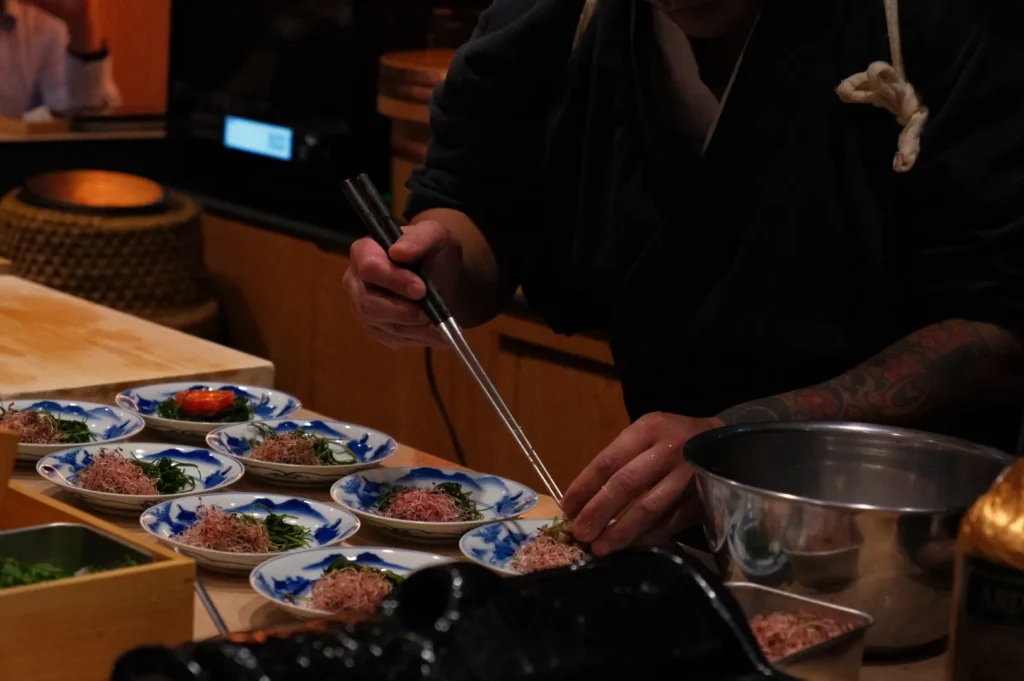
Yuzu teaches us that the finest flavours are often the quietest. It reflects what we hold dear at Sushi Masa by Ki-Setsu: seasonality, precision and respect for the ingredient. Our dinner omakase is led by Chef Masa at an intimate eight-seat counter in Cuppage Plaza, following the Edomae tradition with seafood flown in daily from Toyosu Market. Our menu is entirely seafood, with no meat, allowing each seasonal ingredient to speak clearly.
We open Tuesday to Saturday, with dinner starting at 7:15pm. We would be delighted to welcome you, whether it is your first omakase or a cherished tradition. Reserve your seat online or speak to our concierge, and let Chef Masa guide you through the season, one course at a time.